The Stellar Directorial Mastery of Kamalakara Kameswara Rao
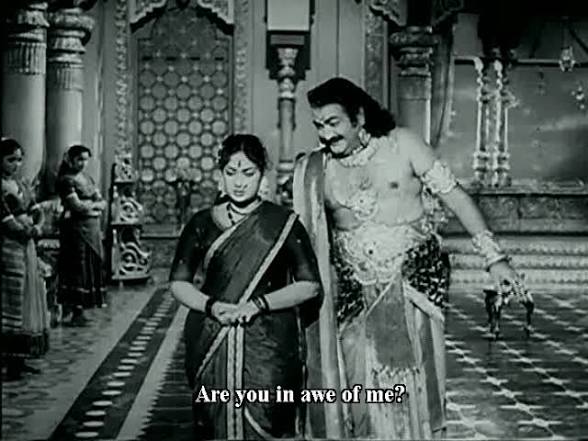
Grandeur action of NTR, SVR and Savithri as Brihannala, Keechaka and Sairandhri
Nartanasala (1963) stands as an unparalleled milestone in Telugu cinema, beautifully translating the Virata Parva of the epic Mahabharata onto the silver screen. Produced under the Rajyam Pictures banner by C. Sridhar Rao and Lakshmi Rajyam, this mythological masterpiece remains a masterclass in storytelling, acting, and cultural preservation. “The film derives immense energy from the powerhouse performances of NTR as the graceful Brihannala, SVR as the terrifying Keechaka, and Savitri as the poignantly dignified Sairandhri.”
The Brilliant Directorial Skills of Kamalakara Kameswara Rao
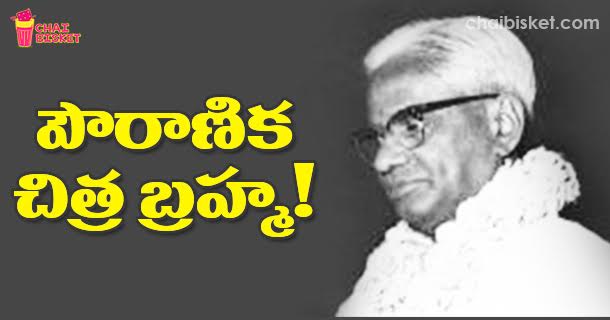
Known as “Pauranika Brahma” (The Creator of Mythological Cinema), director Kamalakara Kameswara Rao showcased extraordinary vision in Nartanasala. Handling an epic text with numerous subplots requires a delicate balance of pacing and character development. Rao’s brilliance lay in his ability to maintain theatrical grandeur while ensuring high emotional resonance. He meticulously structured the narrative, ensuring that the transitions between the Pandavas’ true identities and their disguised personas felt seamless, establishing him as a directorial maestro.
NTR’s Superb Performance as Brihannala
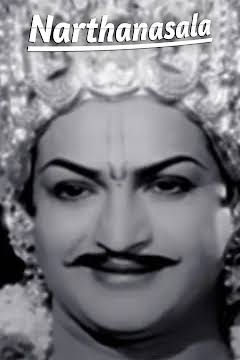
Playing a Napumsaka (eunuch/transgender) character was a massive risk for a top commercial star of N. T. Rama Rao’s stature. Initially hesitant, NTR underwent rigorous screen tests under makeup artist Haribabu and sought the approval of legendary filmmaker K.V. Reddy before committing. The result was legendary. NTR’s transformation into Brihannala—the dance teacher to Princess Uthara—was a masterclass in acting. His delicate hand gestures, altered voice modulation, and graceful dance steps perfectly juxtaposed his towering masculine persona, making it one of the finest dual-shaded performances in Indian cinema history.
The Grandeur of Telugu Padyam and Folk Stanzas
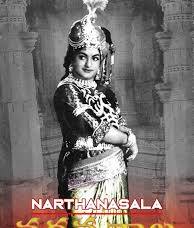
A defining highlight of Nartanasala is its rich literary value, particularly the integration of traditional Padyalu (musical poems). The iconic rendition of:
“Kanchanamaya Vedika Kanakethanojwala Vibramamuvadu Kalasajundu…”
కాంచనమయవేదికా కనత్కేతనో
జ్వల విభ్రమమువాడు కలశజుండు
సింహలాంగూల భూషిత నభోభాగకే
తు ఫ్రేంఖనమువాఁడు ద్రోణసుతుఁడు
కనకగోవృష సాంద్ర కాంతి పరిస్ఫుట
ధ్వజ సముల్లాసంబువాఁడు కృపుడు
లలితకంబు ప్రభాకలిత పతాకావి
హారంబువాఁడు రాధాత్మజుండు
మణిమయోరుగ రుచిజాల మహితమైన
పడగవాఁడు కురుక్షితిపతి మహోగ్ర
శిఖరఘనతాళ తరువగు సిడమువాఁడు
సురనదీసూనుఁ డేర్పడఁ జూచుకొనుము
exemplified the height of classical Telugu poetry on screen. These verses, seamlessly interwoven with traditional folk elements and backed by the musical genius of Susarla Dakshina Murthy and S. Rajeswara Rao, elevated the film’s narrative. They served as powerful tools for character introductions and dramatic monologues, echoing deeply with the cultural roots of the audience.
The Poignant Introduction of Draupadi to Queen Sudheshna
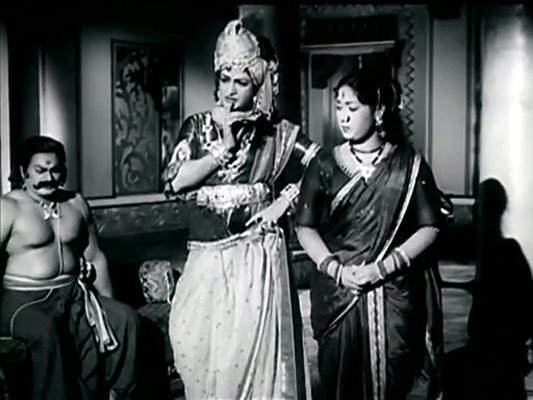
The introduction of Savitri as Draupadi entering her Agyatavaasa is a sequence dripping with quiet dignity and pathos. Disguised as the maid and hairdresser Sairandhri, she approaches Queen Sudheshna (played with grace by Vedavalli aka Sandhya). Savitri’s expressive eyes brilliantly conveyed the suppressed pain of an empress reduced to a servant, while still radiating an untouchable aura of royalty. This introduction set a tense, emotional undertone for the trials she would soon face in the Matsya court.
The Retrieval of the Gandeevam from the Shami Tree
The Gograhana (cattle-lifting) episode brings the narrative to a thrilling crescendo. When the Kauravas attack from the North, the cowardly Prince Uttara Kumara (played with brilliant comic timing by Relangi) flees in terror. Brihannala takes charge, driving the chariot to the cremation ground. The scene where Uttara Kumara, trembling with fear, climbs the sacred Jammichettu (Shami tree) to lower the concealed, glowing Gandeevam bow is a cinematic triumph. The transition of the weapons from hidden bundles to divine instruments of war creates palpable onscreen tension.
Clarification on the Climax Confrontation: Valala vs. Keechaka
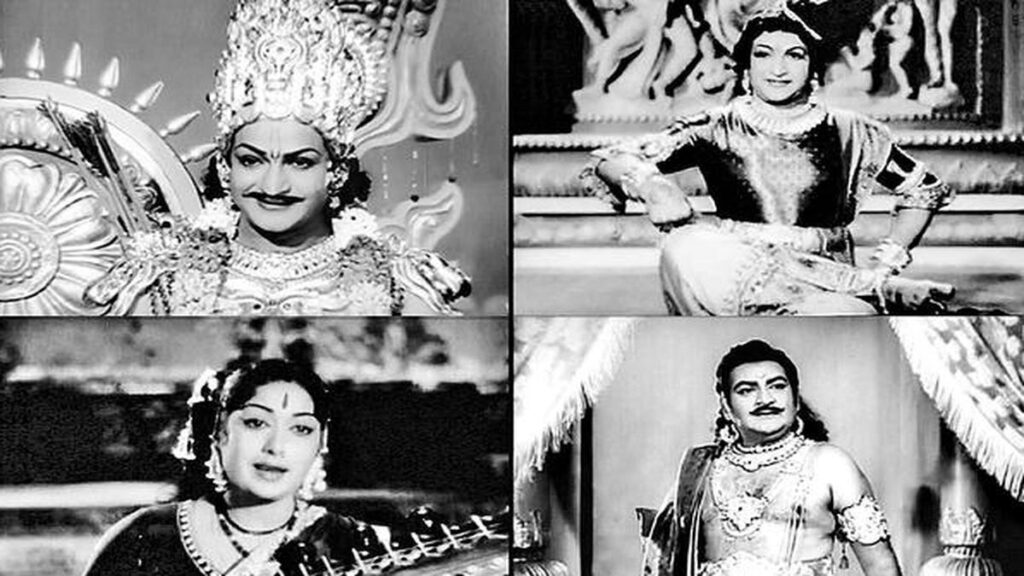
Historical Note on the Narrative: While the film features a high-stakes dramatic tension in the Nartanasala (dance hall), the physical showdown and ultimate slaying of the lustful commander Keechaka is carried out by Bheema (disguised as the palace cook, Valala), acting on the plea of Draupadi. Brihannala (Arjuna) strategically provides the perfect cover, using the rhythmic thuds of his dance practice and instrumental music to drown out the sounds of the violent, bone-crushing battle taking place in the dark hall. This clever staging highlights the unified strategy of the Pandavas. The performance of S V Ranga Rao in the movie was simply superb.
The Intellectual Duel: Virataraju and Kankubhattu
The conversational chemistry between Mukkamala (King Virata) and Mikkilineni (Dharmaraja disguised as the Brahmin court advisor, Kankubhattu) provides some of the film’s finest dramatic dialogue. Their “question and answer” sessions during games of dice are layered with heavy dramatic irony. Kankubhattu offers profound political and moral advice to the king, secretly drawing from his true experience as an emperor, while Virata remains blissfully unaware that he is speaking to the righteous Yudhishthira himself.
The Epic Face-Off: Arjuna vs. The Kaurava Sena
The true cinematic explosion occurs when Brihannala sheds her disguise and transforms back into the warrior prince, Arjuna. Confronting the mighty Kaurava army—comprising Bhishma, Drona, Karna, Kripacharya, and Duryodhana—alone, Arjuna unleashes a flurry of divine arrows. The sequence culminates in the deployment of the Sammohana Astra (hypnotic weapon), putting the entire Kuru army to sleep. The sheer scale, editing, and NTR’s commanding screen presence during this battle define the golden age of Telugu mythological cinema.
The Revelations and the Surprise of King Virata
The climax delivers an emotional payoff as the 13-year Agyatavaasa concludes successfully. When the disguises are dropped and the identities of Kankubhattu, Valala, Brihannala, Granthika, Tantripala, and Sairandhri are revealed as the mighty Pandavas and Draupadi, King Virata is struck with absolute shock and awe. The realization that the greatest warriors on earth were serving in his palace leads to overwhelming humility, culminating in the joyous alliance and grand wedding of his daughter Uthara (L. Vijayalakshmi) to Arjuna’s son, Abhimanyu (Sobhan Babu).
Special Awards and Historic Recognition
Nartanasala was not merely a commercial success: it achieved monumental critical acclaim both nationally and internationally. The film proudly won the National Film Award for Second Best Feature Film in Telugu and the Filmfare Award for Best Telugu Film in 1963. Furthermore, it etched its name in global cinema history at the 3rd Afro-Asian International Film Festival held in Jakarta (1964), where S. V. Ranga Rao won the prestigious Best Actor Award for his legendary, menacing, yet multi-dimensional portrayal of Keechaka, and Marcus Bartley secured the award for Best Cinematography.
Principal Correspondent, Prime Post
Vidya Sagar Chaturvedula is a passionate film enthusiast whose four-decade career spans multiple sectors, including media and industry. Fluent in Telugu, Hindi, and English, he has a deep appreciation for cinema, particularly films in those three languages. His passion goes beyond simple viewing; he enjoys analyzing directional skill, the emotional depth of actors’ performances, and the profound meaning embedded in dialogue. Mr. Sagar is known for his ability to clearly articulate and narrate his insightful film analyses after watching a movie.
Email: sagar.chaturvedula@gmail.com
Mobile: 9030702917
Good narration about Kamalakara kameswar rao was a Legendary director who directed so many historical and mythological films in Telugu. He is a role model to all up coming directors. Nice to listen about him.
Good review.
Sir NTRs one of the super and master piece action
Which is liked by one and ALL
Action of NTR SVR Savitri is. Very good
Songs are Melodi ies and wonderful
Good review sir 👍
Nartanasala is one of the great mythological movies. NTR, Savitri, and SV Rangarao acted their best.
Good review
నర్తనశాల..ఈసినిమాను కమలాకర కామేశ్వరరావు డైరెక్ట్ చేసారు భారతంలో అజ్ఞాతవాసం కధ అంతా. ఎన్ టి రామారావు బృహన్నల పాత్ర, సావిత్రి ద్రౌపతిపాత్ర,మిక్కిలినేని కంకుబట్టు పాత్ర (ధర్మరాజు)ఎస్ వి రంగారావు కీచకుడు పాత్ర రేలంగి ఉత్తరకుమారుడు పాత్రగా పోషించి చాలా బాగా నటించారు ఇందులో అందరూ బాగానటించి హిట్ చేసారు ఇందులో పాటలు అద్భుతంగా ఉంటాయి మంచి హిట్టయిన సినిమా
Narthanasala (1963) is widely regarded as timeless master piece in telugu cinema . It remains an epic class praised for brilliant classic screenplay based on the virata parva of mahabharata. The film brilliantly catches the pandavas final year of incognito exile especially focusing on Arjuna in the guise of female dance teacher bruhannala and draupadi as Sairandhri. N. T Rama rao brilliantly portryas the graceful character of Bruhannala, which is considered as one of the most iconic performance s. SVR steals the show with his master-ful, larger than life portraal of the lustful and arrogant villain, Keechaka. Draupadi as Sairandri. All played the roles exceptionally. Music and dances are exceptional. Good review.
The fact and fiction mix of the Dance school or Nartanasala in the epic of Mahabharata is more on performance and music. Both brought out exemplary performance by almost all actors.
Just view listen and enjoy
Good movie pleasantperformance
Good review