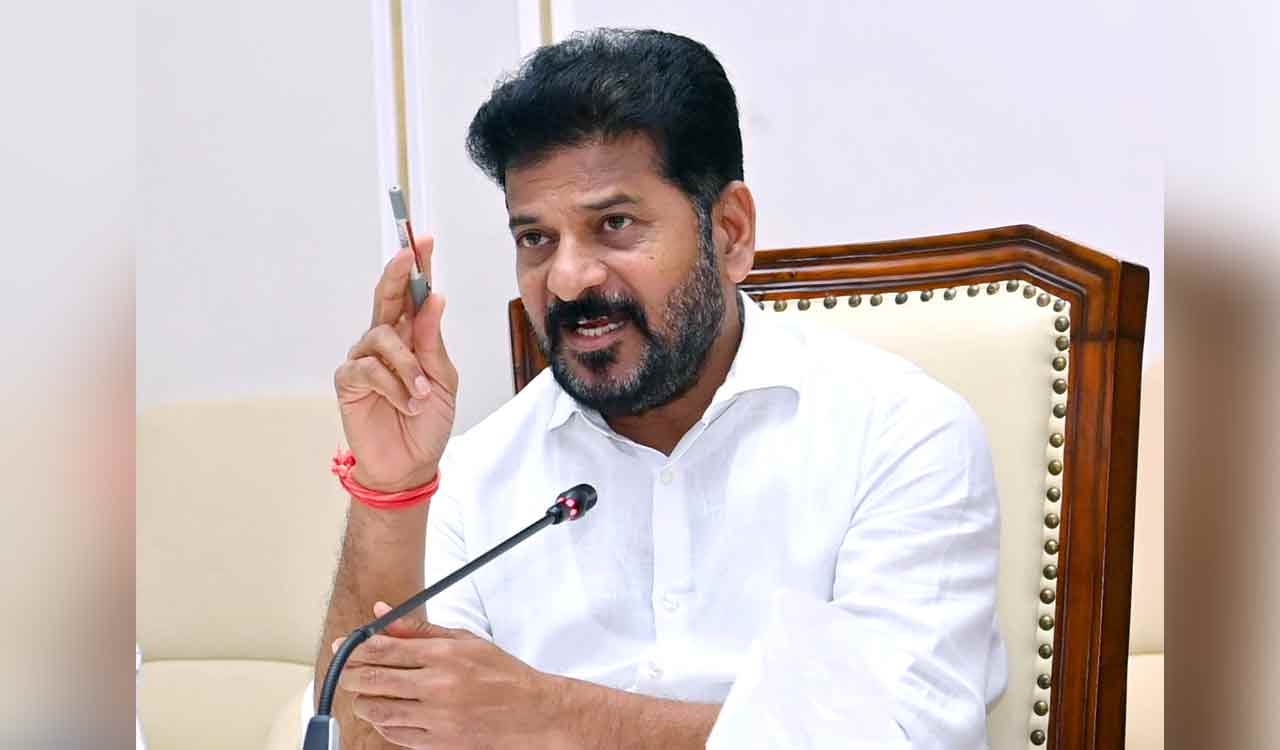
The Telangana government’s announcement of the Indiramma Family Life Insurance Scheme, set to roll out on June 2, 2026, marks a historic milestone in India’s social security landscape. By providing a Rs 5 lakh insurance cover to 1.15 crore families, the state is addressing a critical gap in the safety net of the rural poor. For families living on the margins, the sudden loss of an earning member often due to hazardous work conditions or accidents is not just an emotional tragedy but a total financial catastrophe.
Strengthening the Rural Safety Net
In rural Telangana, many families depend on daily wage labor in agriculture or construction. These “work spots” are often fraught with risk, yet a lack of financial literacy and awareness has historically kept these families away from private insurance. The Indiramma Scheme acts as a proactive intervention, offering a “Bharosa” (Trust) that the state stands with them.
Immediate Financial Relief
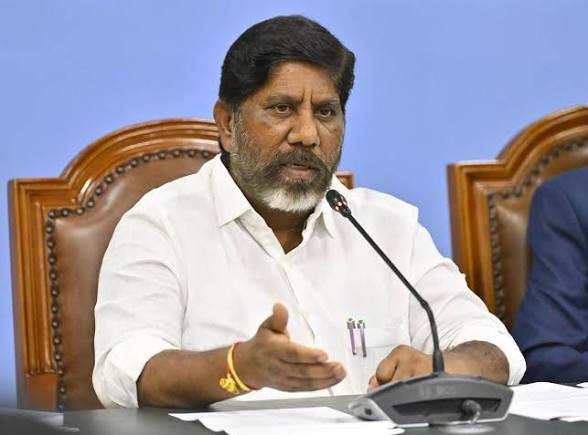
The Rs 5 lakh payout provides a buffer that prevents families from falling into a cycle of high-interest debt following a tragedy.Protection for Children: As highlighted by Deputy CM Bhatti Vikramarka, the scheme’s primary goal is to ensure no child is forced onto the streets or out of school due to the sudden death of a parent. By including 1.15 crore families without discrimination, the government removes the bureaucratic hurdles that often exclude the “missing middle” or those without perfect documentation.
Empowering through Awareness
Beyond the financial payout, the scale of this roll-out will naturally drive a surge in insurance awareness. By integrating this cover into the state’s welfare fabric, the government is teaching the rural poor the value of risk management. This scheme isn’t just a budget allocation; it is a fundamental shift toward making “living in Telangana a blessing” rather than a struggle against uncertainty.
Beyond the Indiramma Insurance Scheme, the Telangana 2025-26 budget introduces focussed on long-term human capital development, agricultural sustainability, and urban transformation, reflecting a strategic shift toward both immediate welfare and future-ready growth.
The “Young India” Integrated Residential Schools
In a massive overhaul of the public education system, the government has allocated Rs 11,600 crore to establish 58 Young India Integrated Residential Schools. These institutions are designed to provide world-class, holistic education to students from marginalized communities (SC, ST, BC, and Minorities) under one roof. Unlike traditional government schools, these campuses will feature modern amenities such as digital classrooms, state-of-the-art auditoriums, sports complexes, and science labs. By providing high-quality residential education free of cost, the state aims to bridge the rural-urban educational divide and ensure that a student’s economic background does not limit their professional aspirations.
Rythu Bharosa and Agricultural Incentives
To support the backbone of the state’s economy, the budget earmarked Rs 24,439 crore for the Agriculture Department, primarily driven by the Rythu Bharosa scheme. This initiative provides a substantial investment support of Rs 15,000 per acre annually to both farmers and tenant farmers, a critical increase aimed at offsetting rising input costs. Furthermore, the government introduced a significant procurement incentive: a bonus of Rs 500 per quintal for fine variety paddy. This decision is expected to encourage farmers to shift toward high-quality crops that command better market prices, thereby increasing the overall income of the rural farming community and ensuring food security.
Urban Transformation and the Musi Riverfront
For the first time in decades, a concentrated effort is being made to revitalize Hyderabad’s heart through the Musi Riverfront Development Project. With an initial significant allocation, the government plans to transform the polluted river stretch into a vibrant economic and ecological zone, similar to international riverfront models. This project is part of the larger “Telangana Rising 2050” vision, which includes the expansion of the Hyderabad Metro Rail (Phases 2 and 3) and the creation of “plug-and-play” industrial parks. These infrastructure decisions are designed to alleviate urban congestion, attract global investments, and position Hyderabad as a premier global city, ultimately driving the state toward a trillion-dollar economy.
Editor, Prime Post
Ravindra Seshu Amaravadi, is a senior journalist with 38 years of experience in Telugu, English news papers and electronic media. He worked in Udayam as a sub-editor and reporter. Later, he was associated with Andhra Pradesh Times, Gemini news, Deccan Chronicle, HMTV and The Hans India. Earlier, he was involved in the research work of All India Kisan Sabha on suicides of cotton farmers. In Deccan Chronicle, he exposed the problems of subabul and chilli farmers and malpractices that took place in various government departments.
Email: ravindraseshu7@gmail.com
Mobile: 9063718675