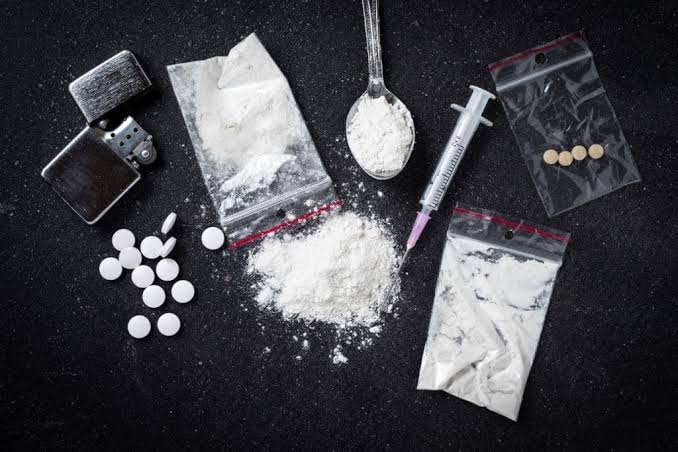
- Breaking the Supply Chain: Curbing the ‘Drug Mafia’ and Urban Menace
- The Moinabad Farmhouse Case (March 2026)
The recent arrest and subsequent station bail of Eluru MP Putta Mahesh Kumar Yadav (TDP) and former MLA Pilot Rohit Reddy (BRS) has raised several questions.Why Station Bail? Under the Narcotic Drugs and Psychotropic Substances (NDPS) Act, “small quantity” possession or consumption often allows for station bail (bail granted at the police station without appearing before a magistrate). In this case, reports indicate the MP was booked for consumption (based on a positive blood test for methamphetamine) rather than peddling, which legally simplifies the bail process.
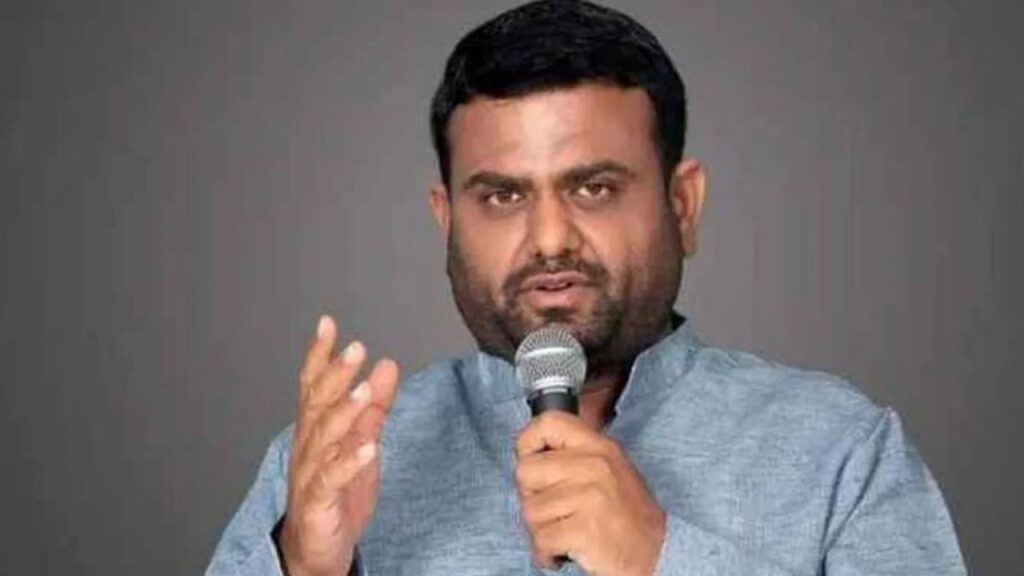
The Menace of Drugs in Telugu States: A Crisis of Power and Policy
The recent drug bust at a farmhouse in Moinabad, Hyderabad, has once again exposed a dark reality: the deep-rooted spread of synthetic drugs like methamphetamine in the Telugu-speaking states. Despite the “Zero Tolerance” slogans raised by governments, the recurring involvement of VIPs, film personalities, and sitting politicians suggests a systemic failure in curbing the drug mafia.
The Ease of Access
Methamphetamine and cocaine have become easily available in urban hubs like Hyderabad due to a combination of high demand from affluent circles and sophisticated supply chains. These drugs often enter through transit points in Goa or Bengaluru, or are even manufactured in small, illegal labs disguised as chemical units in industrial outskirts. The high profit margins allow the “mafia” to maintain a network that is often one step ahead of traditional policing.
Amending the NDPS Act for “Public Servants”
Current laws under the Narcotic Drugs and Psychotropic Substances (NDPS) Act often categorize “small quantity” consumption as a bailable offense. The Legislature should consider an amendment where public representatives (MPs, MLAs, and MLCs) caught consuming or possessing banned substances face mandatory suspension from office and stricter bail conditions. This acknowledges that a lawmaker breaking the law is a more serious violation of public trust than an ordinary citizen.
Empowering the Ethics Committee
The Lok Sabha and State Assemblies should not wait for a court conviction to act. The Ethics Committee can take suo motu (on its own motion) notice of drug-related arrests. Legislatures should pass a resolution making “drug consumption or peddling” a ground for permanent disqualification under the “conduct unbecoming of a member” clause. This would act as a massive deterrent for politicians who believe their status shields them.
“Liability of Venue” Legislation

Many drug parties in Hyderabad occur in private farmhouses or gated villas. The State Legislature should introduce a “Premises Liability Law.” Under this, the owners of farmhouses where drug parties occur should be held legally and financially responsible, regardless of whether they were present. This would force property owners to be more vigilant about who they rent to.
Fast-Track Special Courts
The government should legislate the creation of Special Narcotics Courts specifically for high-profile cases. Often, drug trials drag on for decades, allowing “film personalities” and “VIPs” to return to public life as if nothing happened. A legislative mandate for a six-month trial limit in drug cases would ensure swift justice.
Digital Tracking of Chemical Precursors
Since methamphetamine is a synthetic drug, the Legislature must pass stricter regulations on the sale of “precursor chemicals” (like ephedrine) used in its manufacture. A Centralized Digital Ledger for all chemical sales in industrial zones like Jeedimetla or Patancheru would make it harder for the mafia to divert legal chemicals into illegal labs.
Until the law treats a farmworker and a lawmaker with the same hand, the drug mafia will continue to thrive under the shadow of protection. The “Say No To Drugs” campaign must start from the top.
Editor, Prime Post
Ravindra Seshu Amaravadi, is a senior journalist with 38 years of experience in Telugu, English news papers and electronic media. He worked in Udayam as a sub-editor and reporter. Later, he was associated with Andhra Pradesh Times, Gemini news, Deccan Chronicle, HMTV and The Hans India. Earlier, he was involved in the research work of All India Kisan Sabha on suicides of cotton farmers. In Deccan Chronicle, he exposed the problems of subabul and chilli farmers and malpractices that took place in various government departments.
Email: ravindraseshu7@gmail.com
Mobile: 9063718675


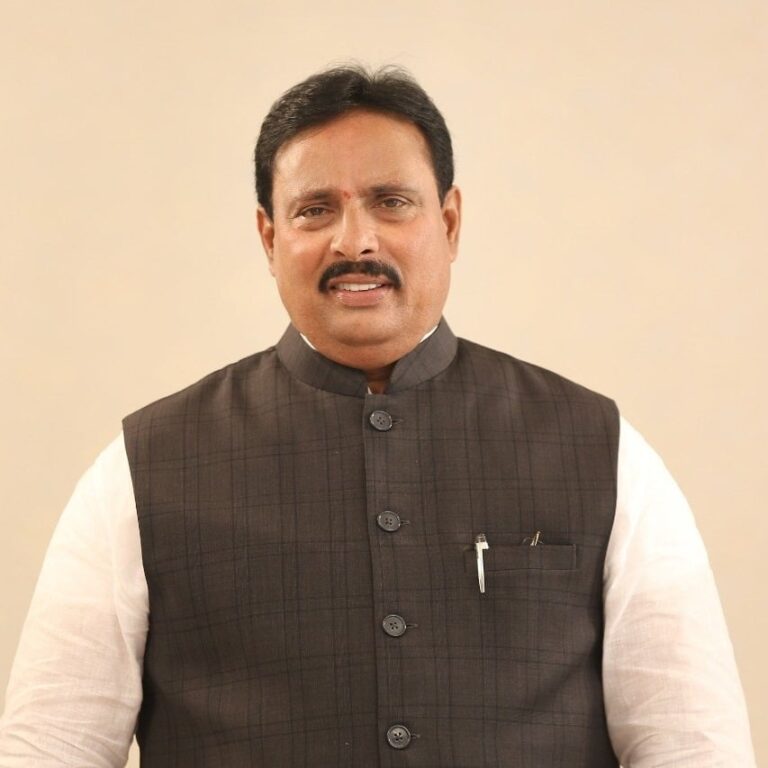
How station bail was issued to Putta Mahesh Yadav, Eluru M P when he came out with positive in drug test. He was supposed to appear before Magistrate in this regard. How, station bail was issued to him without appearing before Magistrate. This shows political involvement. And Chandrababu Naidu does tall talk as if they are pure and not getting involved in narcotic affairs. He will just manage everything with money. It’s open secret. Acts as a gentleman. This is the taste of Telugu People.
Я присмотрелся к машина zeekr и решил устроить тест-драйв.
Автономность позволяет преодолевать значительные расстояния на одном заряде.
Приглашаем вас принять участие в хореографический конкурс и показать своё мастерство на лучшей сцене сезона.
Разнообразие стилей делает конкурс интересным для широкой аудитории.