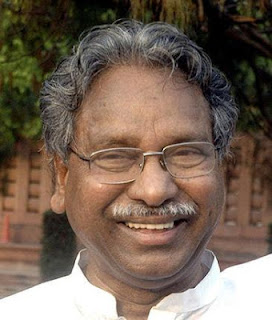
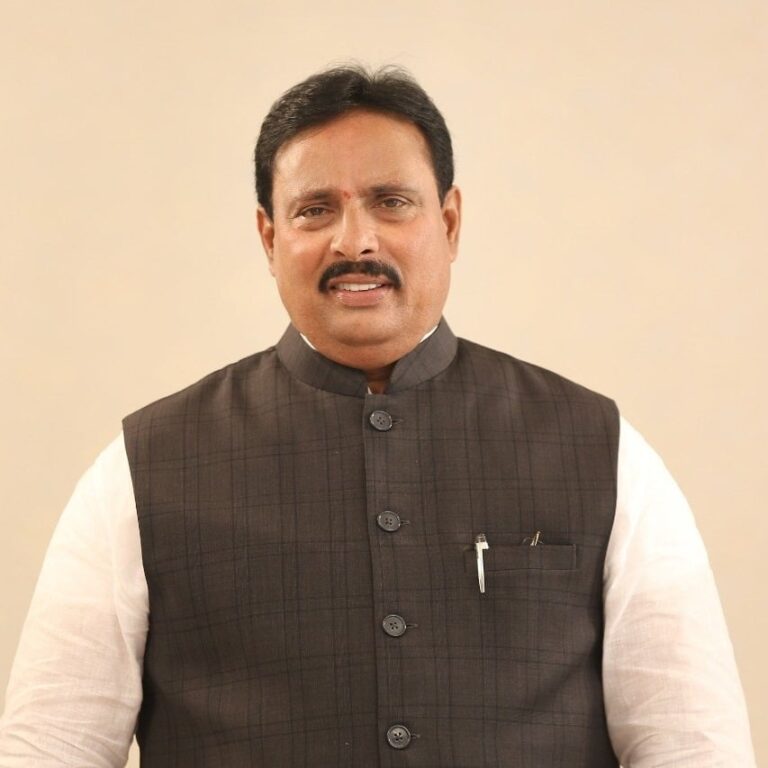
Kavuri Sambasiva Rao expressed his respect to national flag. At his residence in Hyderabad, he installed a large Indian National Flag on a tall mast, reflecting his pride in the national symbol.
The right of citizens to fly the national flag gained constitutional recognition after the landmark ruling of the Supreme Court of India in Union of India vs. Naveen Jindal (2004). The Court held that flying the national flag is an expression of the freedom guaranteed under Article 19(1)(a) of the Constitution of India, subject to respect for the Flag Code of India and the Prevention of Insults to National Honour Act, 1971. Kavuri’s gesture symbolised not only personal patriotism but also the evolving civic culture in India where national symbols belong to the people as much as to the State.
In public life, very few individuals successfully combine entrepreneurship, political leadership, and a deep sense of national pride. Kavuri Sambasiva Rao, former Union Minister and veteran parliamentarian from Andhra Pradesh, was one such figure. His journey, from a modest village in Krishna district to the Parliament of India, reflects strategic thinking and a life devoted to public engagement.
The World of Engineering
Born in the small village of Dosapadu in Krishna district, Kavuri Sambasiva Rao grew up in an environment where opportunities were limited, but aspirations were strong. His pursuit of education led him to the National Institute of Technology Warangal, then known as the Regional Engineering College. There he studied civil engineering, laying the foundation for his later success as a builder and industrialist. With entrepreneurial vision, he established construction enterprises such as Progressive Construction and Pragati Construction. Through these ventures, he participated in several major infrastructure projects and gradually built a reputation as a capable businessman.
Political Rise
Kavuri Sambasiva Rao later entered politics through the Congress party. He has connected with people and won election to the Lok Sabha five times, three times from Machilipatnam and twice from Eluru.
His experience eventually earned him a place in the Union Council of Ministers during the government led by Manmohan Singh, where he served as Union Minister for Textiles. Though not a flamboyant public speaker, he was known among political circles as a strategist who understood the subtleties of power and negotiation.
A Political Career
During the intense debates over the bifurcation of Andhra Pradesh and the formation of Telangana, Kavuri expressed his support for a united Andhra Pradesh. After the state was divided in 2014, he eventually ended his decades-long association with the Congress party. Later, he joined the Bharatiya Janata Party, although he chose not to re-enter electoral politics. His straightforward personality and firm opinions sometimes kept him away from the centre of political power, but they also earned him respect among colleagues and associates.
Many who approached Kavuri Sambasiva Rao for assistance recall his generosity. Visitors seeking help rarely left disappointed. Quiet philanthropy, financial assistance to those in need, and support for various causes were part of his public life, though often carried out without publicity.
The End
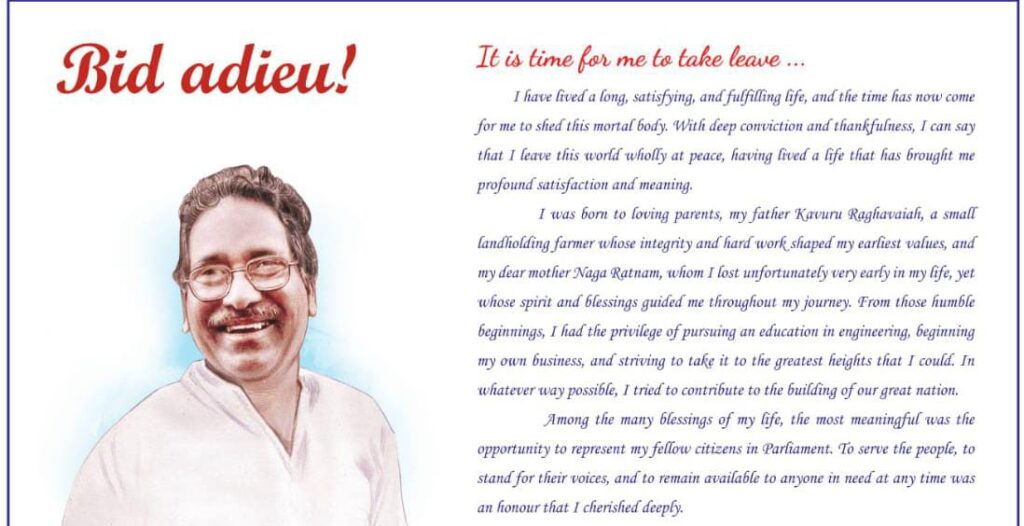
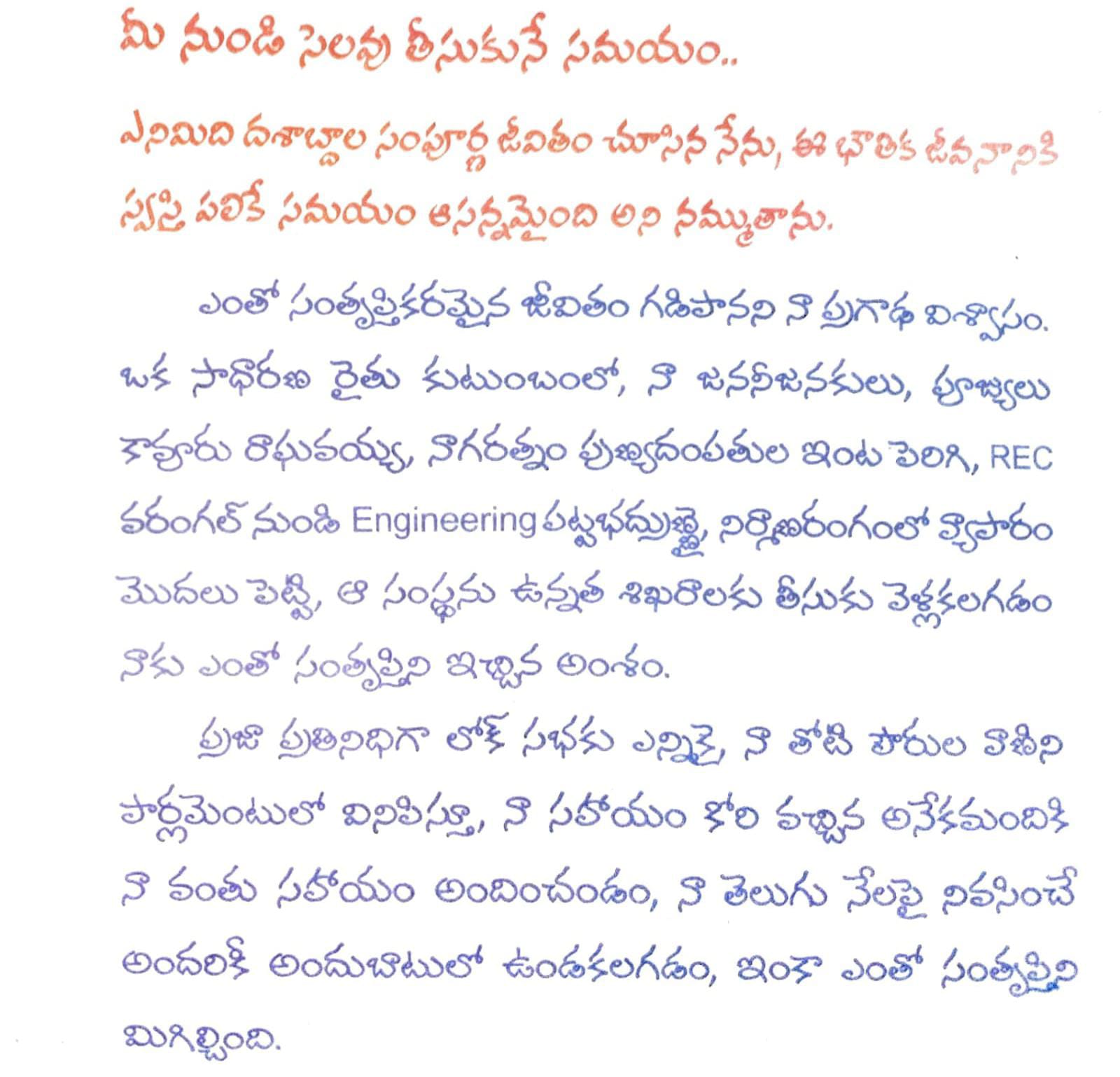
One aspect of Kavuri Sambasiva Rao’s passing that attracted considerable public attention was the farewell-style advertisement published in newspapers shortly before his death.
The advertisement, which appeared as a full-page message in several newspapers in the Telugu-speaking states, was written in a reflective tone and carried the words “Ika Selavu” (“Taking Leave”). The message conveyed a sense of gratitude and closure. It expressed satisfaction with a life lived fully and extended blessings to his family members, including his wife Hemalatha, children, grandchildren, and well-wishers. Reports indicate that the publication of these advertisements across major newspapers involved substantial expenditure, reportedly running into significant amounts. The decision to publish them was understood to have been taken by the family in accordance with Kavuri Sambasiva Rao’s wishes, or based on a message he had prepared earlier.
However, the exact circumstances under which the message was written or finalised remain known only to the family. What is clear is that the message served as a dignified public farewell, unusual in tone and presentation. Instead of a conventional obituary written after a person’s passing, the advertisement conveyed the impression of a personal goodbye to the public. Whether drafted personally by Kavuri Sambasiva Rao or released by the family based on his wishes, the message reflected the personality of a leader who was known for speaking plainly and acting with conviction. In that sense, the farewell carried the same straightforwardness that many associates had long associated with him.
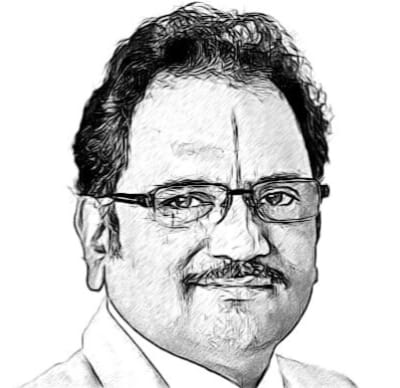
Law professor and eminent columnist
Madabhushi Sridhar Acharyulu, author of 63 books (in Telugu and English), Formerly Central Information Commissioner, Professor of NALSAR University, Bennett University (near Delhi), presently Professor and Advisor, Mahindra University, Hyderabad. Studied in Masoom Ali High School, AVV Junior College, CKM College, and Kakatiya University in Warangal. Madabhushi did LL.M., MCJ., and the highest law degree, LL.D. He won 4 Gold Medals at Kakatiya University and Osmania University.
Email: cicsridhar@gmail.com
Mobile: 8447651505

A good Review on Kavuri Samba Siva Rao Garu. Nice.