MEA Statement Deepens Public Anxiety
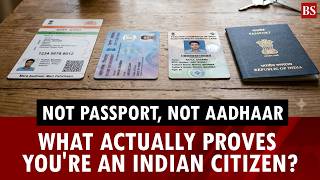
An MEA (Ministry of External Affairs) official saying that passport is no proof of citizenship in response to a query from a person, who holds his passport but finds himself excluded from Special Intensive Revision (SIR) of voters’ list, only confounds the confusion of the citizens. The statement was made on Wednesday, 24 June 2026, the passport Seva Divas. Though it is a fact that even courts have held that passport cannot be treated as a citizenship document, what is a genuine citizen supposed to? For many of us, the passport is the only authenticated document bearing the name of Indian Republic issued by the government after thorough verification. With the MEA official statement, the general anxiety about the citizenship has gone up by several notches. Of late, there is a lot of talk about the citizenship issue in the country. The extensive exercise on SIR is also suspected to be meant to check the citizenship of voters. India does not give a document certifying that so and so is a citizen of the country. There is no single document for citizenship.
Bureaucracy, Judicial Silence, and the Official Stance
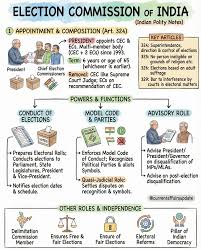
Article 5 to 11 of the Constitution and Citizenship Act, 1955 define who is an Indian citizen. Neither the Article nor the Act identifies any single document as the proof of citizenship. After all, what is citizenship? It is legal status arising from facts such as birth, parentage, domicile or naturalization. For a person born in India, citizenship depends on when he or she was born and the citizenship status of parents. Naturalization of citizenship depends on the compliance with the statutory conditions.
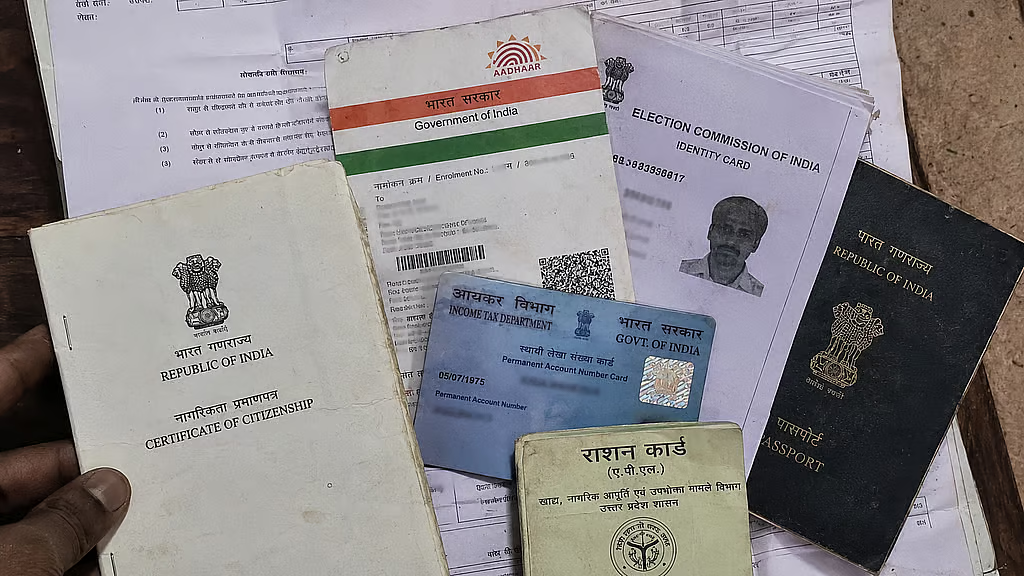
The question of citizenship had engaged the attention of the government as well as the judiciary. However, neither the government nor the judiciary cares to give clarity to the confused citizen. When asked if Aadhaar, passport, voter ID, PAN card or birth certificate constitute valid proof of citizenship, the Ministry of Home Affairs in Parliament in February 2020 said, “Acquisition of Indian Citizenship is governed by The Citizenship Act, 1955 and rules made there under. Citizenship of India can be acquired by birth or descent or registration or naturalization or incorporation of territory. The eligibility criteria for acquisition and determination of citizenship are as per the provisions of the Citizenship Act, 1955.”
Judicial Contradictions: How Indian Courts View Citizenship Documents
Now let us examine some of the judgments delivered by the judiciary. In State of Andhra Pradesh v Abdul Khader (1962) case, the Supreme Court treated a passport as evidence of nationality but wanted to examine the constitutional criteria such as birth, domicile and migration history for citizens. In 2013, the Bombay High Court refused relief to four persons accused of being illegal immigrants despite producing passport, Aadhaar cards and birth certificate. The passports of the accused were terminated after the HC judgment. In 2005, Sarbananda Sonowal v Union of India, the SC underscored the burden of proving citizenship rests on the person claiming it. The apex court said, “There is a good and sound reason for placing the burden of proof upon the person concerned who asserts to be a citizen of a particular country.” The court did not explain the reasons.
When SIR was going on in Bihar las year, the SC bench consisting of Justice Suryakant (now the CJI) and Justice Joymalya Bagchi said, “We would like you to clarify …. We have repeatedly passed orders that the list (provided by the election commission) illustratively indicates 11 documents…if you see those 11, apart from passport and birth certificate, none is conclusive proof of citizenship.” This observation of the bench places passport and birth certificate in a higher evidentiary category. But the same courts did look beyond these documents while considering citizenship.
The Impossible Standards of the Election Commission
Among the four instances listed above, the Bombay HC had reiterated the SC judgment saying the Aadhaar, PAN and voter ID, which are considered to be most sacred identity cards by Indians, are not proof enough for citizenship. If these cards don’t count you as an Indian, what else will? The state should answer this question. It cannot escape from the responsibility by passing on the burden of proof to the citizen. Justice Amit Borkar’s comments were very shocking. ”-Just because someone has documents like Aadhaar card, PAN card or voter ID, they do not become the citizens of India.” The Bombay HC judge clarified that these documents are there only to prove identity and avail services. The courts may be justified in imposing stricter conditions on the persons who were suspected to be infiltrators. But the same thing cannot apply to innocent and loyal citizens who were born in India.
Where should a person look for proof of his Indian citizenship? The Register of Citizens has not been updated since 2011 due to bureaucratic wrangling. This has been the only reliable document that the millions of government officials painstakingly produce every decade. The Election Commission asks the citizens to submit their birth certificate, matriculation certificate, residence certificate, marriage certificate, parents’ birth certificate, etc. The EC has not explained why it was not prepared to accept PAN card or other identity cards. Only 2.5 percent of Indians have passports and only 14.71 percent have matriculation certificates. Ordinary Indians don’t have birth certificates either. Election Commission’s own data presented in courts shows that millions of Indians do not have the document it has been seeking.
The Aadhaar: Spending Billions on Identity While Leaving Citizenship in Limbo
Having spent Rs 12,000 crore to implement Aadhaar card as a unique identification system by 2023, it was announced that Aadhaar will be the key to bank accounts, taxes, property transactions, iris scans, finger prints and personal history linking you to your family, your address and your whereabouts. Aadhaar card can do so many things. But it is not valid as a proof of your citizenship.
India needs a universal citizen identity card. America has the Social Security Number. The UK, Germany and many other developed countries have single cards to prove the identity of their citizens. 79 years after attaining freedom, the government throws you into a Kafkaesque mess asking to provide evidence that the government pretty well knows you cannot produce. Government shall not suspect its citizens. It has to trust them.
Prominent Journalist
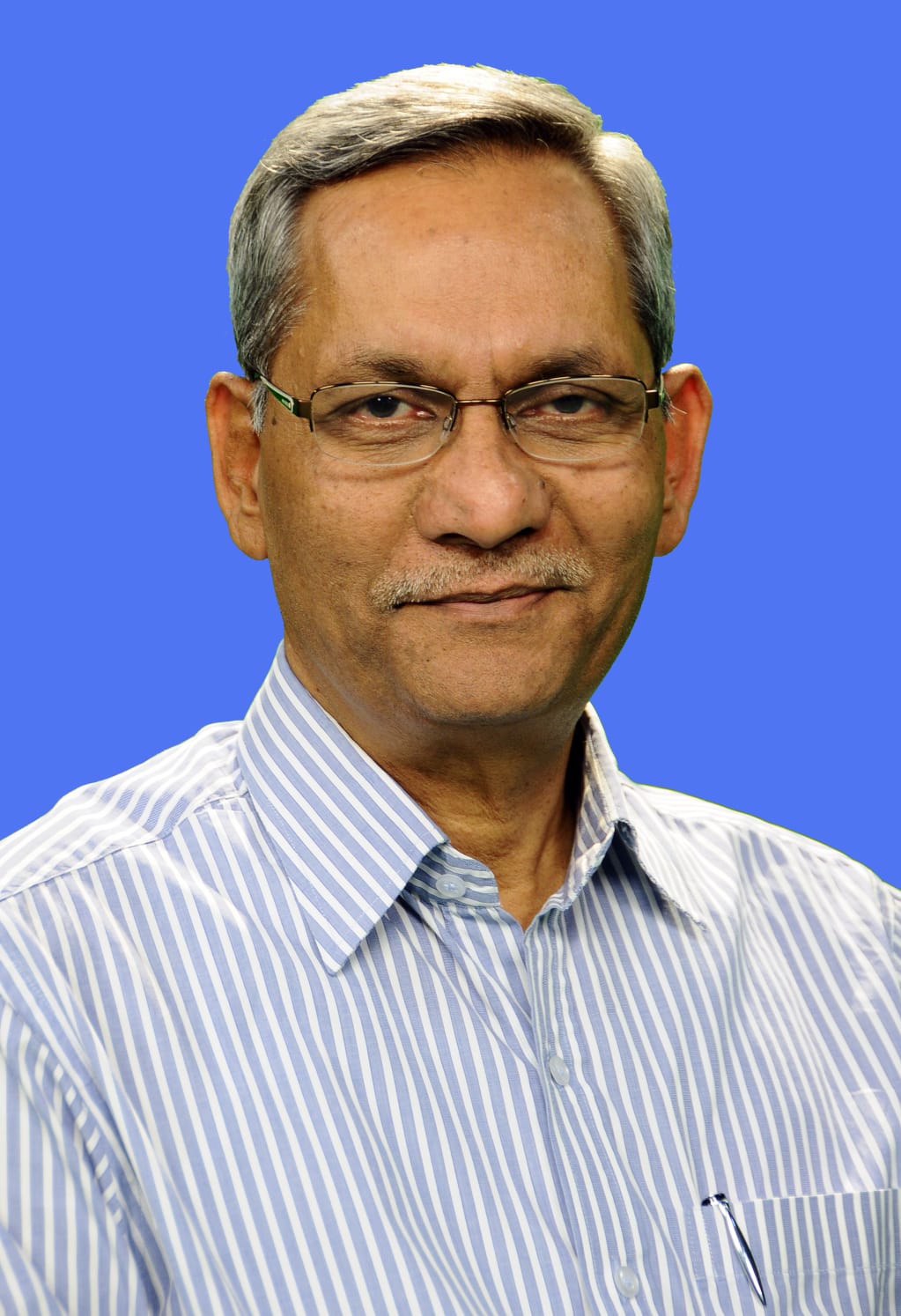
Dr. K. Ramachandra Murthy is a versatile journalist with a distinguished career. Dr. Murthy began his extensive career with Andhra Prabha of The Indian Express group in Bengaluru. He was editor of Udayam, Vaartha and Andhra Jyothy. Dr. Murthy founded and edited HMTV news channel and The Hans India, an English newspaper. He was also editorial director of the Telugu newspaper, Saakshi. He was awarded Ph. D for his research work in rural reporting. Dr. Murthy’s five decades in journalism showcases his influential roles across both print and electronic media. He wrote the political biography of NTR published by Harper Collins.
Email: murthykondubhatla@gmail.com
Mobile: 9908002211