The RSS-BJP Equation
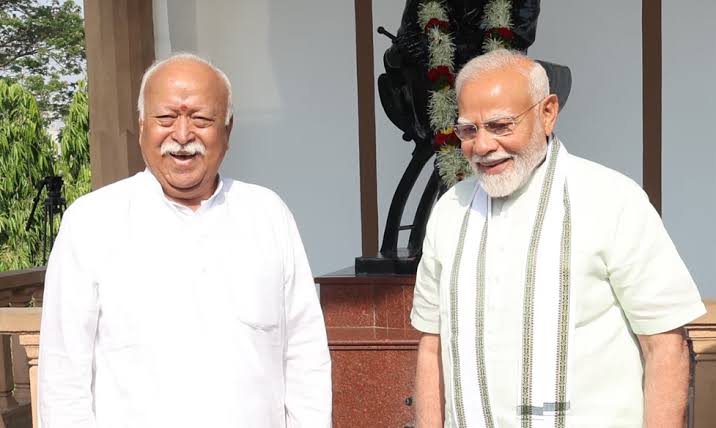
RSS Sarsanghchalak Mohan Bhagwat’s recent public stance regarding youth activism—where he defended Gen Z’s right to seek accountability, validated genuine grievances, and warned against branding protesting citizens as “anti-national”—marks a notable recalibration in societal messaging. Advocating for “discussion, not dictation; consensus, not orders,” Bhagwat called for constructive engagement with the younger generation rather than ideological dismissal.
How to Interpret Bhagwat’s Statement
Bhagwat’s remarks can be viewed as a calculated attempt to prevent the alienation of India’s youth. By asserting that young citizens raising systemic concerns are not anti-national, the RSS chief attempted to build a bridge across generational and ideological divides. The statement validates youth grievances over issues like institutional integrity, employment, and governance, seeking to frame the RSS as a balanced, father-figure presence capable of listening rather than a rigid enforcer. It signals an effort to preserve the mainstream social acceptability of the Sangh Parivar amidst growing youth disillusionment.
Ashok Wankhade’s Perspective on the RSS Stand and the “Change of Guard”
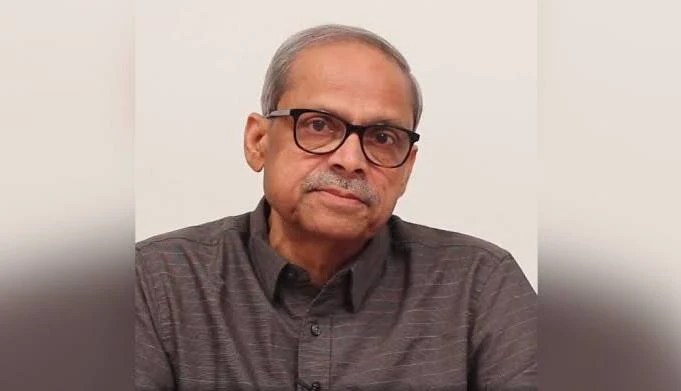
Veteran political analyst Ashok Wankhade has frequently highlighted the evolving friction and changing dynamic between the RSS leadership and the BJP-led government. According to Wankhade’s analysis, the RSS recognizes that heavy-handed executive actions and labelling dissidents as “anti-national” risk damaging the broader socio-cultural movement. The RSS seeks to reinforce its supremacy as the ideological guiding force (the parent body) rather than an extension of the ruling party’s administrative agenda.
Who is Wankhade?
Ashok Wankhade (fondly known as Bhau) is a senior Indian journalist, columnist, and political analyst. Originally from Yavatmal in Maharashtra, he has over four decades of experience in print and broadcast journalism across Hindi, Marathi, and English media. He currently operates his own digital commentary channel, The News Launcher.
Preparing for Succession? –With discussions around a political and organizational “change of guard,” Wankhade notes that Bhagwat is asserting moral authority to ensure that the Sangh retains the upper hand in deciding the future leadership trajectory of the ideological movement.
RSS Sarsanghchalak Mohan Bhagwat’s statement—defending Gen Z’s right to seek accountability, validating youth grievances, advocating for “discussion, not dictation; consensus, not orders,” and asserting that protesting citizens should not be branded as “anti-national”—marks a significant ideological recalibration. Bhagwat’s remarks can be understood as a strategic move to prevent the long-term alienation of India’s younger demographic, positioning the RSS as a balanced, empathetic mentor figure capable of listening to systemic concerns while preserving social cohesion.
Bhagwat’s softened stance contrasts with the Union government’s approach due to their differing priorities. While the government operates within the realm of immediate political dominance, law enforcement, and electoral consolidation, the RSS focuses on long-term societal unity, cultural influence, and generational continuity. Through empathetic engagement and “Yuganukul” (time-appropriate) guidance, Bhagwat seeks to protect the broader movement from political fallout while maintaining relevance among the youth.
Ultimately, while the Union government operates within the high-stakes realm of electoral containment, Bhagwat’s conciliatory tone is a strategic maneuver designed to protect the RSS from political fallout, maintain relevance among young citizens, and re-assert the Sangh’s role as an overarching mediator above party politics.
Editor, Prime Post
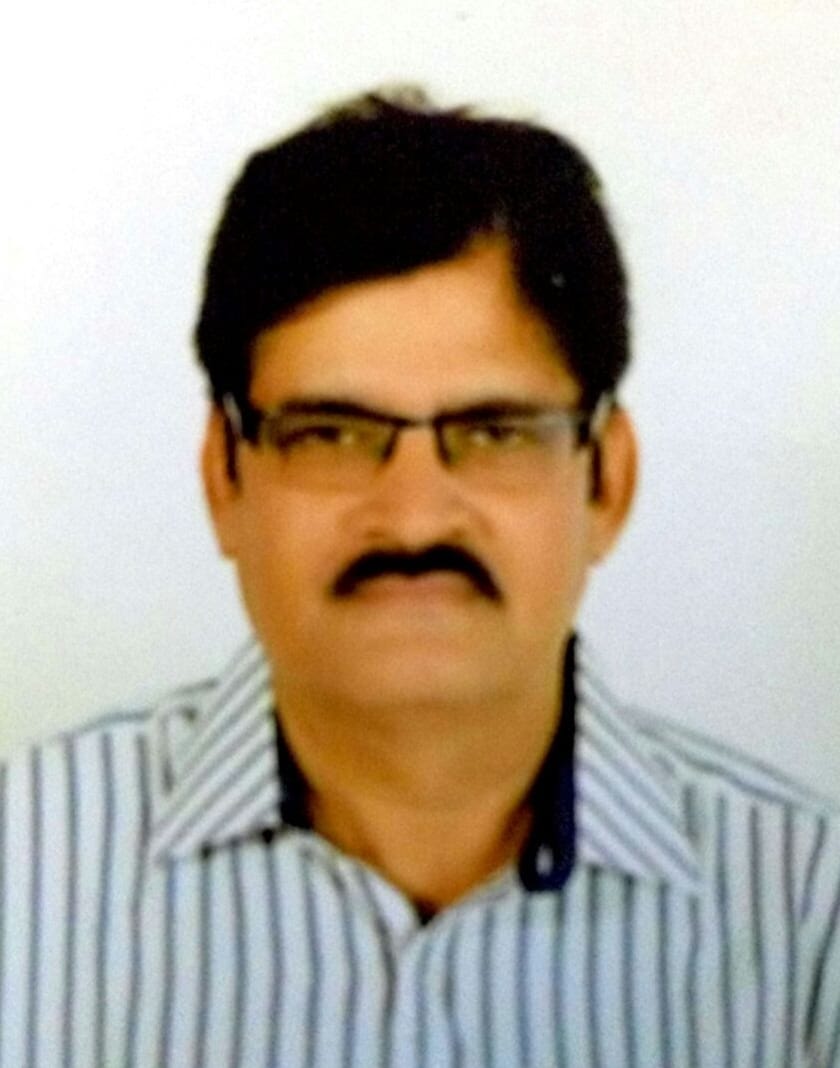
Ravindra Seshu Amaravadi, is a senior journalist with 38 years of experience in Telugu, English news papers and electronic media. He worked in Udayam as a sub-editor and reporter. Later, he was associated with Andhra Pradesh Times, Gemini news, Deccan Chronicle, HMTV and The Hans India. Earlier, he was involved in the research work of All India Kisan Sabha on suicides of cotton farmers. In Deccan Chronicle, he exposed the problems of subabul and chilli farmers and malpractices that took place in various government departments.
Email: ravindraseshu7@gmail.com
Mobile: 9063718675