A Test of Governance and Public Accountability
“అన్నం పరబ్రహ్మం.”
Food is divine. Annamo Ramachandra
“అన్నమైతేనేమి, సున్నమైతేనేమి, అందుకోసం అన్నమే తిందామురా!”
What does it matter whether it is rice or plain gruel?
Let us at least have something to eat.
The Staple Becomes a Luxury
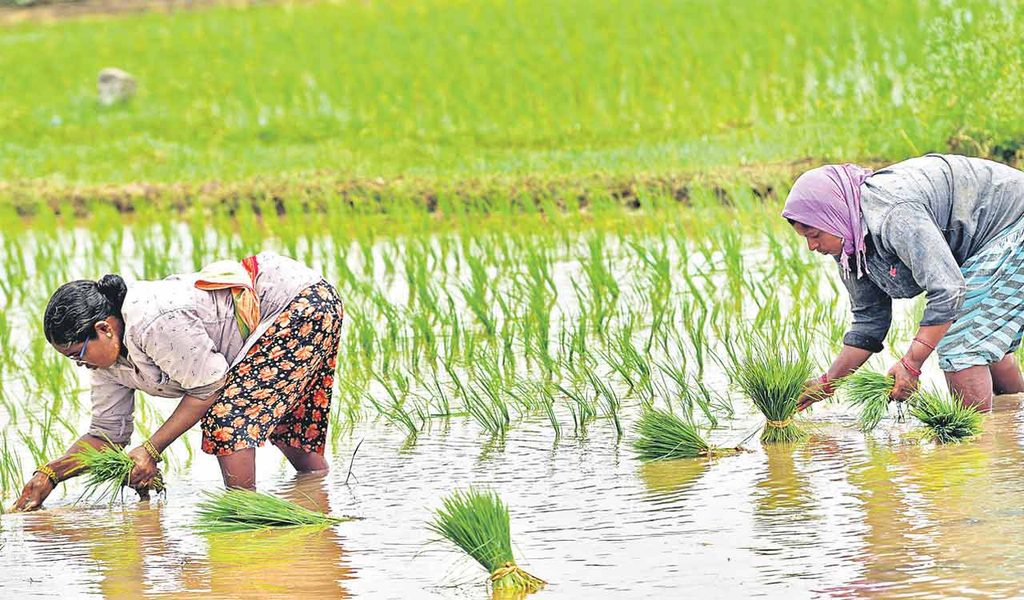
Rice is the staple food of millions of households and an inseparable part of Telugu culture. Yet, in Telangana, an essential commodity has become a source of commercial exploitation, artificial scarcity and administrative embarrassment. Spiralling fine rice prices have exposed serious weaknesses in the state’s procurement, milling and distribution systems. What should have been a manageable market situation has developed into a crisis of governance and consumer protection.
Price Controls Without Relief
The Telangana government has fixed maximum retail prices of Rs 66 per kg for BPT and KNM varieties, Rs 74 for RNR and Telangana Sona, and ₹79 for HMT and JSR varieties. It has also permitted retailers to procure rice directly from millers through District Civil Supplies Officers (DCSOs), bypassing wholesalers and intermediaries. The objective is to break middlemen’s control, prevent artificial shortages and make rice available at reasonable prices. However, consumers continue to encounter inflated prices, while retailers complain of inadequate supplies. Price regulation without assured availability offers little relief.
Millers and Middlemen: Control Over Supply
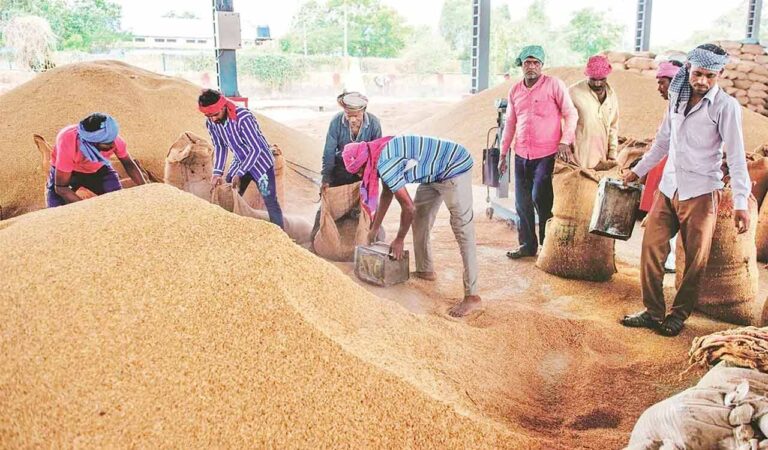
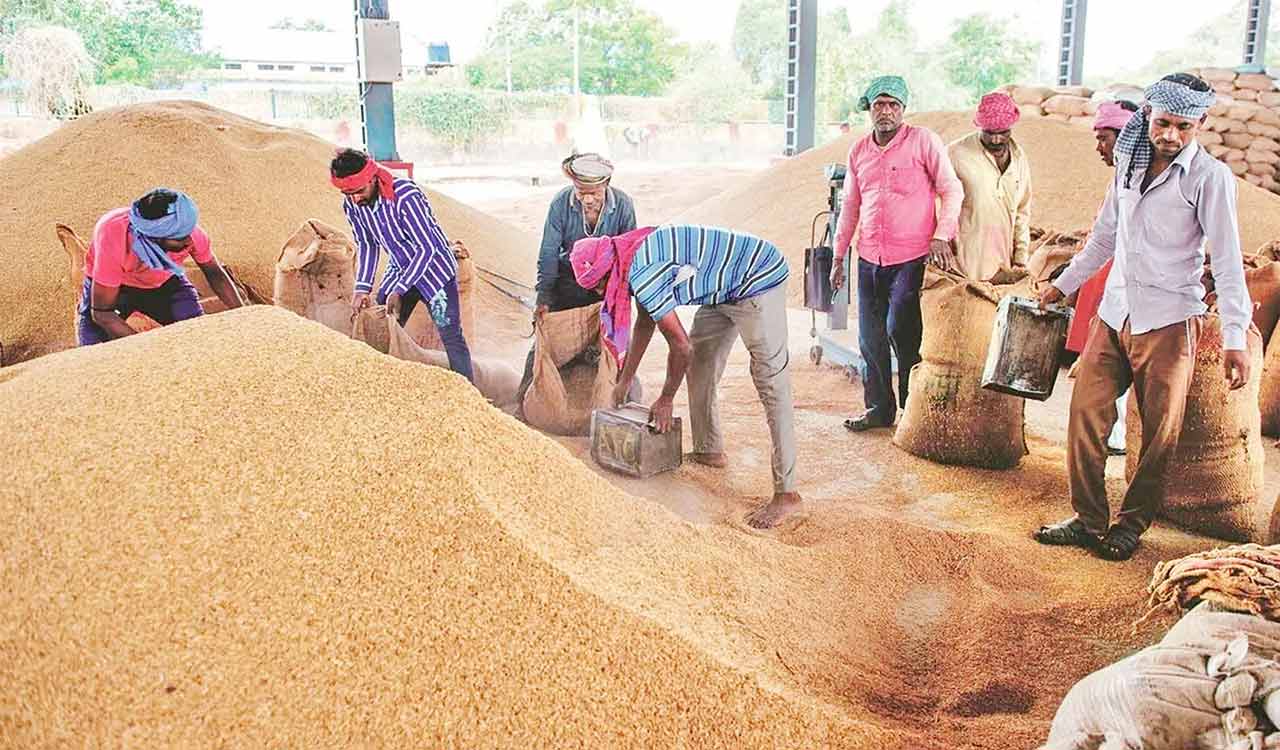
The government purchases paddy from farmers at the Minimum Support Price but depends heavily on private mills for processing. This dependence gives millers considerable bargaining power. Their reported resistance to government controls, demands for higher milling charges, delayed-payment disputes and collective suspension of milling operations expose the structural weakness of the procurement system. Wholesalers, meanwhile, are accused of restricting supplies and spreading rumours of shortages to sustain higher prices. Such practices, if established, amount to commercial exploitation of consumers.
CMR Scam: Public Grain, Private Profits
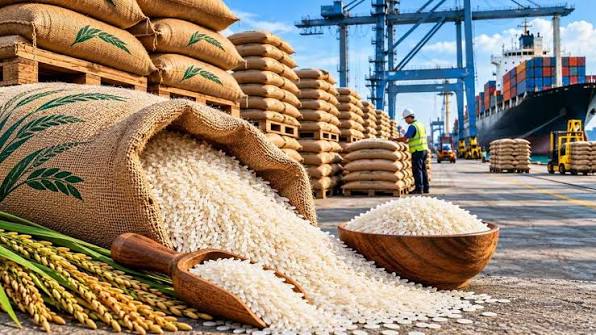
More disturbing are the allegations surrounding the Custom Milled Rice (CMR) system. Government-procured paddy is entrusted to private millers, who receive milling charges and must return the prescribed quantity of processed rice to the Food Corporation of India. Farmers cultivating fine-quality Sanna Rakam paddy receive an additional bonus of ₹500 per quintal. Investigations allege that certain millers diverted this premium paddy into the open market and substituted cheaper coarse rice in their government deliveries. The alleged diversion has caused substantial losses to the public exchequer. Reported irregularities running into thousands of crores warrant comprehensive audits, recovery of public money and prosecution wherever wrongdoing is established. Government grain is public property, not private commercial capital.
Political-Bureaucratic Nexus and Accountability
How could government-procured grain remain unaccounted for over extended periods? Why were physical stock inspections, transportation records, milling yields and FCI deliveries not properly reconciled? Allegations of collusion between influential millers and certain Civil Supplies officials demand impartial investigation. Reported irregularities span different political administrations. Accountability must therefore be institutional and non-partisan. Political influence, bureaucratic negligence and official complicity cannot be allowed to undermine public procurement.
Administrative Apathy: The Failure to Anticipate
The crisis also exposes a lack of foresight and timely intervention. Paddy procurement, seasonal production and market demand are predictable developments requiring advance planning and continuous stock monitoring. Why did the administration wait until prices escalated and consumers began suffering before introducing emergency measures? The direct procurement system through DCSOs is a welcome initiative, but its success depends on prompt processing of stock indents, adequate supplies from designated mills and effective retail monitoring. An order without implementation is merely an announcement. Governance requires anticipation, not firefighting.
Enforcement: Raids Are Not Results
Enforcement agencies have conducted inspections and registered cases involving hoarding, fake price stickers and manipulation of package weights. Reports of 25-kg bags being labelled as 26 kg illustrate the extent of consumer deception. The Essential Commodities Act, Bharatiya Nyaya Sanhita and Legal Metrology Act provide mechanisms to prosecute established violations. Preventive detention may also be considered against habitual offenders, subject to statutory safeguards. However, raids and arrests cannot substitute for sustained enforcement. Transparent stock records, regular inspections and accountability at every level are essential.
Farmers and Consumers: The Double Burden
While consumers pay higher prices, cultivators reportedly face pressure from millers to accept reduced procurement rates. Protests over lower offers for fine-quality paddy underline the contradiction. The farmer who produces the grain and the consumer who purchases it are both vulnerable to the same distorted market structure. Farmers deserve remunerative prices, while consumers deserve affordable food. Ultimately, daily-wage earners, pensioners and lower-middle-class families bear the greatest burden. Rice is not a luxury that can be avoided. Rising prices directly affect household budgets and nutritional security. Citizens effectively pay twice: through public expenditure on procurement and subsidies, and again through inflated market prices.
Editorial Verdict: The Real Test of Governance
Telangana’s rice crisis is not merely a market failure; it is a failure of governance and public accountability. Price ceilings without supplies, procurement without verification and enforcement without results cannot ensure food security. The nexus between political influence, bureaucratic negligence and commercial exploitation must be dismantled. Farmers cannot be squeezed, consumers cannot be fleeced and public grain cannot be plundered with impunity. Annapurna cannot become a marketplace for profiteering. The ultimate test of government is not how much rice it procures or how many raids it conducts, but whether the common man can afford his daily meal. When that basic assurance fails, food security becomes an empty promise and governance loses its moral credibility.
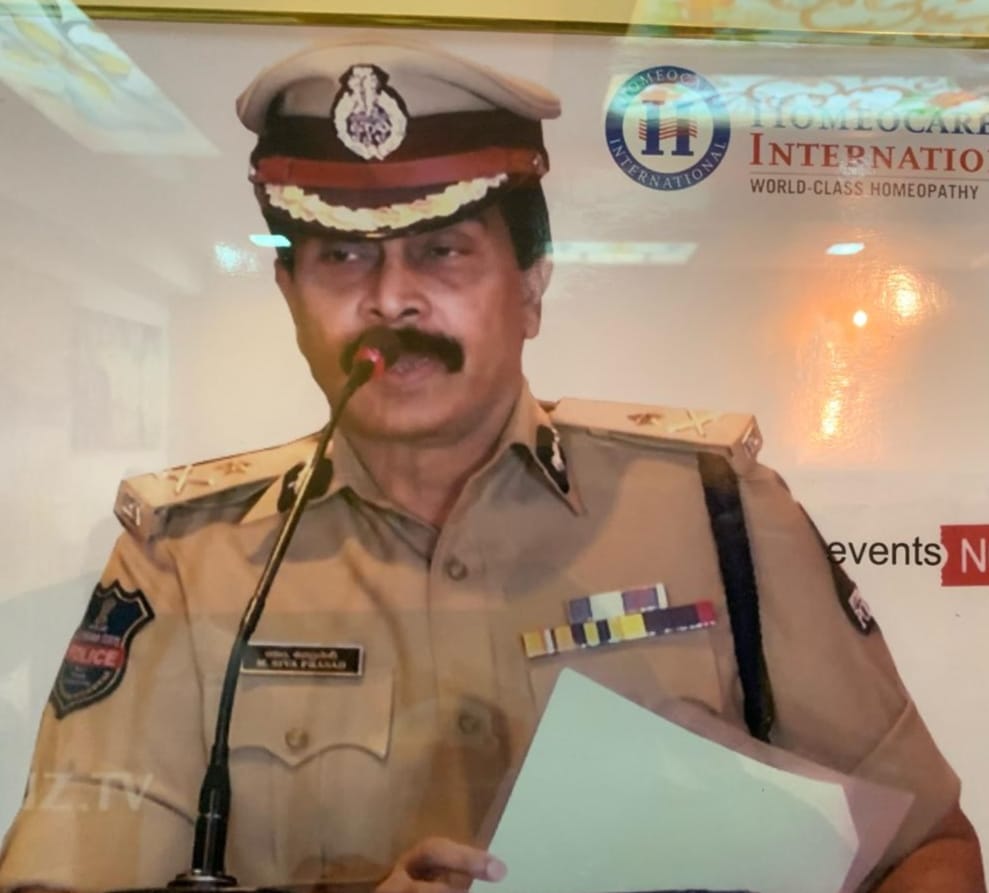
M. Shiva Prasad, IPS (Rtd.) is a dedicated law enforcement professional who served the combined Andhra Pradesh cadre before opting for the Telangana cadre. Though a native of Andhra Pradesh, he considers himself a true Hyderabadi with an abiding love for the Telugu people. Driven by sincerity, fearlessness, and a lifelong fight against inequality and injustice, his ultimate strengths remain his goodwill and deep affection for the public and the police force. Today, he continues his mission by writing snippets and articles true to his conscience.
Email: Shivareach@yahoo.com
Mobile: 98480 38774