How a Neglected Border Stretch Harasses the people
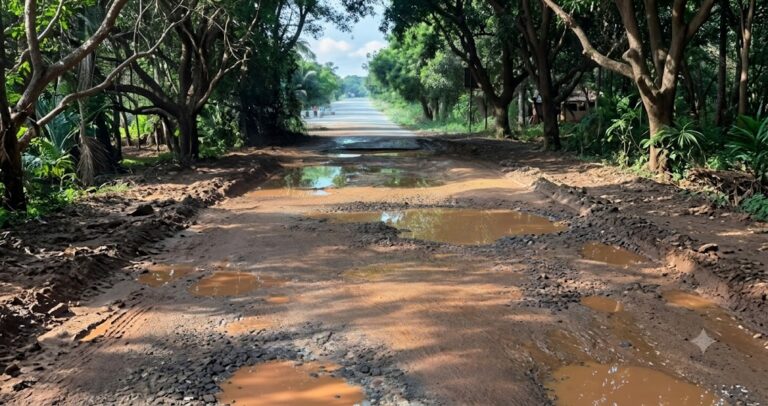
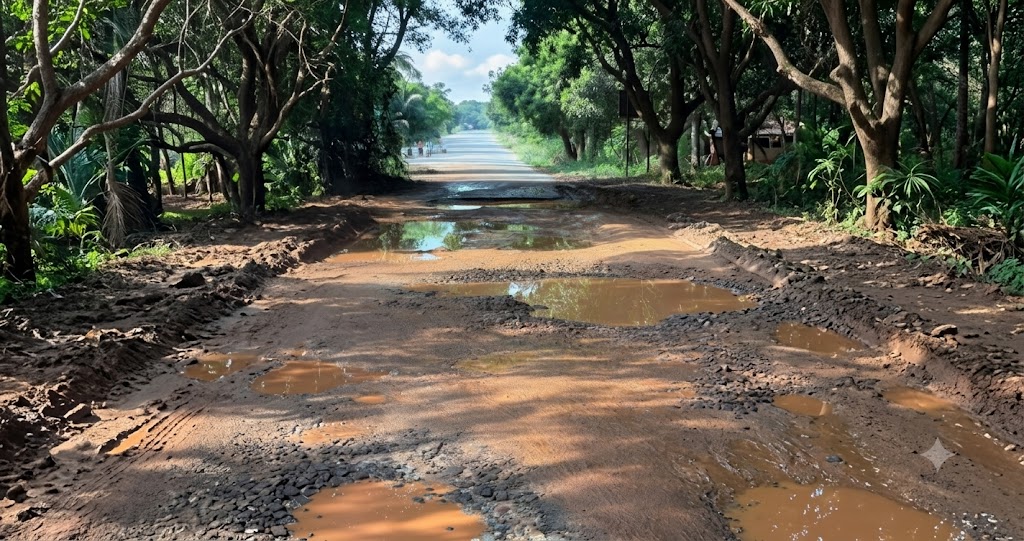
A neglected six-kilometer stretch of road between Allipalli and Erraguntapalli in Chintalapudi Mandal has escalated from a minor infrastructural neglect into a major logistical bottleneck, causing severe hardship across three neighboring states: Andhra Pradesh, Telangana, and Chhattisgarh. What should normally take mere minutes to travel now consumes over 60 minutes of grueling, hazardous navigation for commuters, farmers, and interstate freight carriers.
A Diplomatic and Geographical Deadlock
The root of the issue lies in a complex cross-border stalemate. Although the road serves as a crucial inter-state corridor linking Telangana’s border districts directly to Andhra Pradesh, the entire physical land on which this six-kilometer road resides falls strictly within the territorial jurisdiction of Andhra Pradesh.
Because the land lies inside Andhra Pradesh, Telangana state authorities cannot unilaterally repair or pave the route, despite the road heavily serving Telangana’s commuters. Diplomatic appeals have repeatedly stalled. Telangana Minister for Agriculture Tummala Nageswara Rao has raised the urgency of the situation with Andhra Pradesh Chief Minister Nara Chandrababu Naidu, urging the neighboring government to repair the stretch or permit a collaborative effort. However, official clearance and actionable progress remain pending.
This interstate friction is not new. During the 2014–2019 BRS (then TRS) regime, Minister Tummala attempted to allocate funds directly from Telangana’s state budget to construct the road himself. However, strong objections raised by local Andhra Pradesh leadership—notably former AP Minister Peethala Sujatha—halted the initiative, citing jurisdiction and formal administrative protocols.
Widespread Economic and Logistical Impact
The consequences of this administrative standoff fall heavily on economic networks spanning three states:
Inter-state Freight: Hundreds of heavy lorries carrying fish feed and raw materials from Chhattisgarh use this primary route daily to supply aquaculture hubs around Eluru and neighboring coastal towns in Andhra Pradesh.
Agricultural Connectivity: Telangana transporters, alongside local farmers from Dammapet, Aswaraopet, and Mulakalapalli, rely on this route to transport perishable agricultural produce to commercial centers across the border.
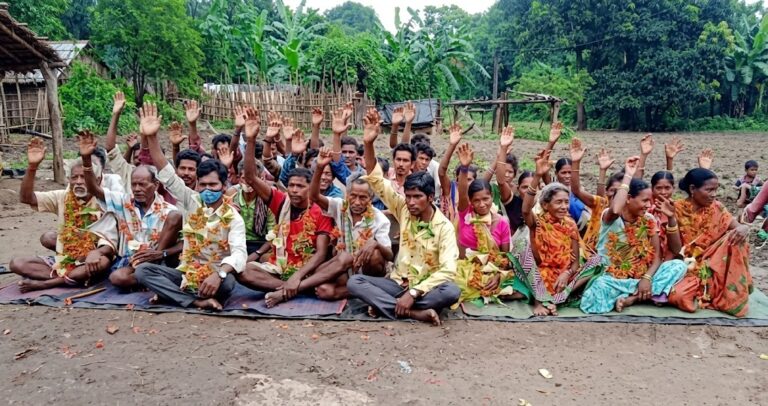
Shared Cross-Border Farmlands: Farmers across West Godavari (AP) and Bhadradri-Kothagudem (Telangana) frequently cross state lines to lease land, cultivate crops, and share equipment. The road’s current state disrupts these routine local economies.
Highway Feeder Network: Traffic trying to connect to the regional Greenfield Highway encounters severe bottlenecks before even reaching the main access points.
Severe Conditions and Hazardous Travel
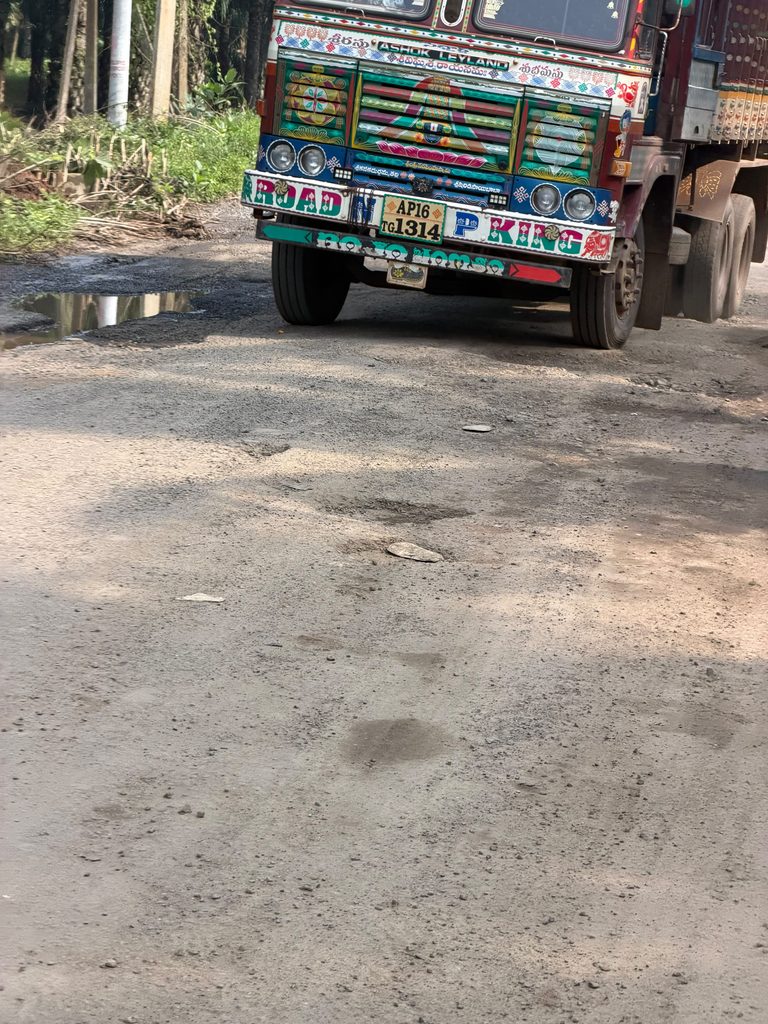
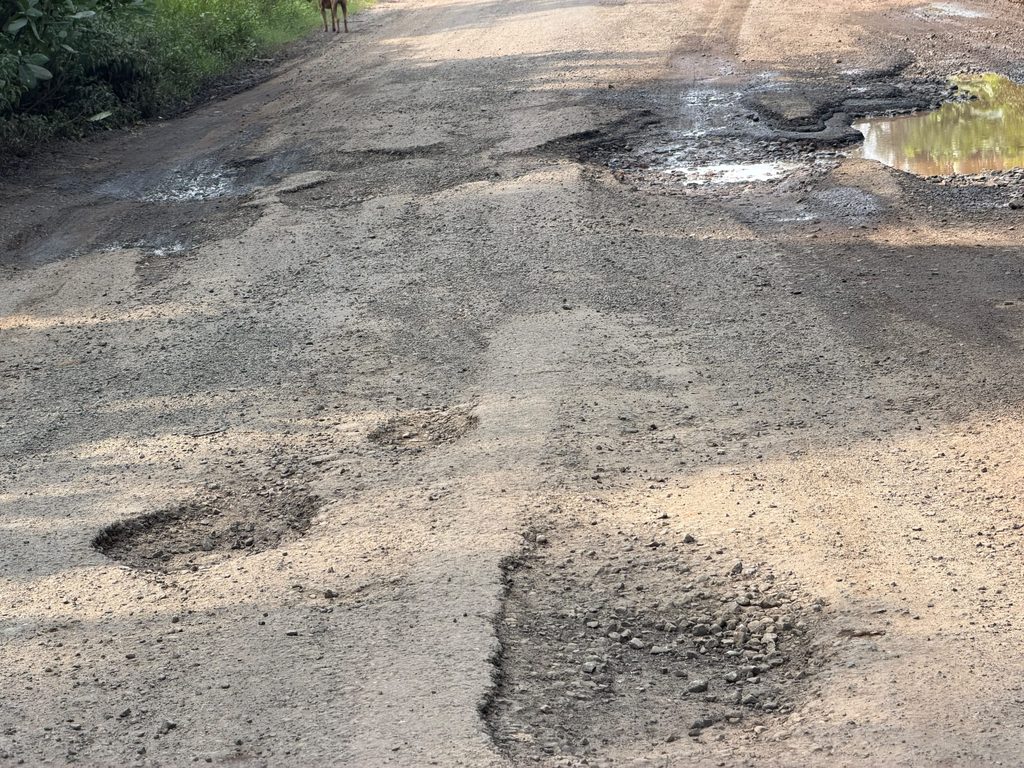
The road’s extreme physical degradation creates severe daily hazards for anyone attempting to traverse it. Potholes and low-lying depressions have carved crater-like pits into the unpaved surface, measuring anywhere from one foot to an astounding seven feet deep. Because vehicles are forced to creep through this terrain to avoid structural damage, traversing the mere six-kilometer stretch takes over 60 minutes, bringing transit speeds down to a crawl. The situation deteriorates dramatically during the monsoon season, when heavy rains submerge the deep pits, concealing the worst road hazards underwater and turning the route into a treacherous, waterlogged mud trap. As a result, vehicle breakdowns—ranging from snapped axles and blown tires to completely stalled heavy lorries—have turned into routine occurrences that routinely block traffic and trap commuters for hours.
Until Andhra Pradesh and Telangana reach a formal administrative agreement, this small six-kilometer strip will remain an inter-state bottleneck, hurting cross-border trade, local agriculture, and regional safety.

Principal Correspondent, Prime Post
Adapa Dora, journalist cum farmer, proved his excellence in both the fields. While working in Andhra Bhoomi (Telugu Paper) and Deccan Chronicle, he forced a famous seed company to pay compensation to the maize farmers for crop loss due to the supply of spurious seeds to them. He wished to maintain harmony between tribals and non-tribals in the mandals of Bhadradri-Kothagudem district for the prosperous of both groups.
Email: adapa.dora@gmail.com
Mobile: 9441332322