An Anthropological, Constitutional, Social and Administrative Examination
The Policy-Implementation Gap in AP’s Agency Areas
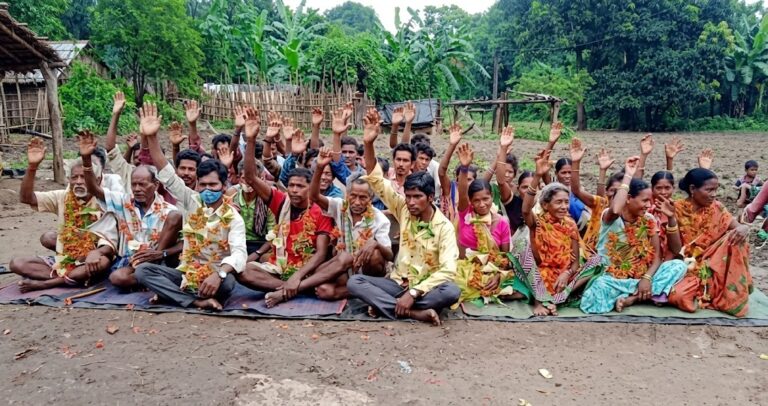
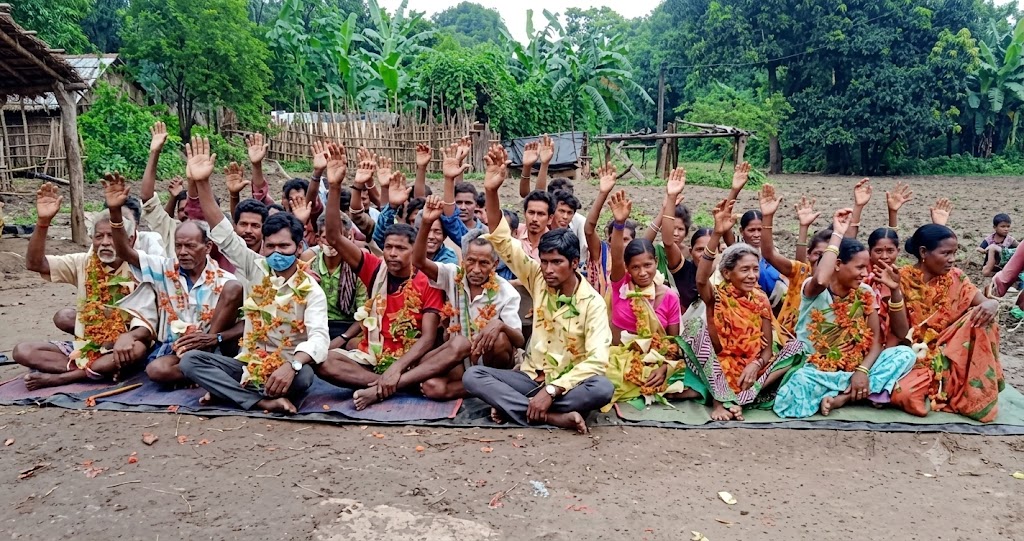
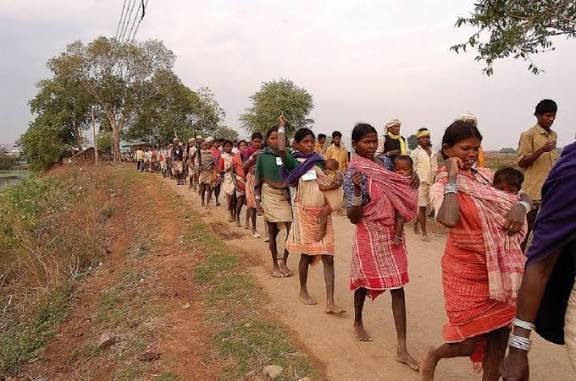
The tribal regions of Andhra Pradesh present one of the most enduring paradoxes of Indian development: budgets are announced, schemes are formulated, institutions are created and statistics are compiled, yet deprivation continues to persist beneath the surface of official progress. Across the Eastern Ghats—from Araku, Paderu, Chintapalli, Munchingiputtu and G. Madugula to Rampachodavaram, Maredumilli and Seethampeta—tribal communities continue to negotiate a difficult existence shaped by forests, hills, shifting cultivation and podu, inadequate public services, weak livelihood opportunities and administrative distance.
The failure to translate the Tribal Sub-Plan into measurable outcomes, allegations and documented instances of diversion, under-utilisation and lapsing of earmarked resources, together with administrative apathy and fragmented governance, raise a fundamental question: is tribal development being treated as a constitutional responsibility, or merely as a budgetary ritual? The historical Xaxa Committee material, for instance, recorded inadequate allocation, under-utilisation, diversion and lapsing of Tribal Sub-Plan funds in the erstwhile Andhra Pradesh. Today the framework is called the Development Action Plan for Scheduled Tribes (DAPST), and the Union Government maintains an online monitoring mechanism for it. (Tribal Affairs India)
A civilisation rooted in the forest
The tribal world cannot be understood merely through the vocabulary of welfare schemes. For communities such as the Koya, Savara, Gadaba, Kondareddy, Konda Dora and Yanadi, the forest is not simply a geographical category. It is livelihood, habitat, culture, memory and identity.
The hill, stream, forest produce and cultivated patch constitute an integrated ecological and social universe. Any development policy that treats the tribal population merely as beneficiaries of government expenditure, rather than as communities possessing a distinctive civilisation and knowledge system, begins with a conceptual error. This is particularly evident in the question of shifting cultivation and podu. Podu is a traditional form of shifting cultivation historically practised on hill slopes. Official documentation concerning the Andhra agency areas describes its ecological consequences while also acknowledging its historical importance to tribal cultivation. Contemporary programmes have attempted to move cultivators towards more sustainable alternatives, including coffee and horticulture. (APRDC)
The answer, therefore, cannot be a simplistic confrontation between forest conservation and tribal livelihood. The real task is to reconcile ecological regeneration with secure land rights, productive agriculture, horticulture, forest-based livelihoods and community participation. A cultivator cannot be expected to abandon a traditional livelihood merely because the administration has declared it undesirable, without providing a credible and dignified economic alternative.
Education without comprehension
The first casualty of geographical isolation is often education.
A school building may exist, but the teacher may be absent. A hostel may have been sanctioned, but its facilities may be inadequate. A child may be enrolled, yet the language of instruction may be alien to the child’s home and cultural environment.
Koya, Savara, Gadaba and Konda Dora communities possess their own linguistic and cultural traditions, while formal education commonly operates through Telugu and English. The resulting linguistic discontinuity can become an invisible barrier to comprehension, confidence and retention. The remedy lies in mother-tongue-based foundational education, followed by a carefully designed bilingual transition, recruitment of local teachers wherever feasible, culturally relevant learning material, residential facilities of reasonable quality and sustained academic support. Education must not merely remove a child from the forest; it must enable the child to understand the modern world without being compelled to abandon his or her cultural inheritance.
Health: the distance between entitlement and treatment
The tribal health crisis is equally profound.
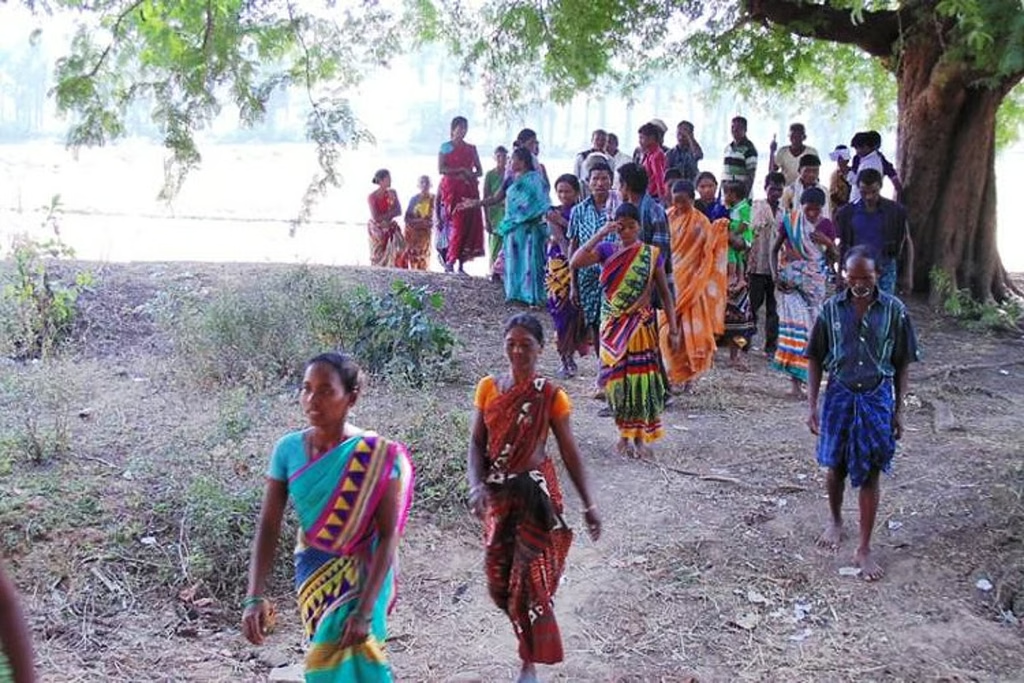
Malaria, dengue, malnutrition, maternal and infant health problems and other preventable conditions can become life-threatening when the nearest adequately equipped medical facility is many kilometres away. A health sub-centre without a doctor, a primary health centre without essential equipment or a referral system without timely transport cannot constitute meaningful healthcare.
India’s Ayushman Bharat architecture, including Health and Wellness Centres and the Pradhan Mantri Jan Arogya Yojana, has expanded the framework of public health entitlement. But insurance or financial coverage cannot substitute for physical healthcare capacity. A patient in a remote agency village first needs a functioning local facility, trained personnel, medicines, diagnostics, emergency transport and a dependable referral chain. The question, therefore, is not merely how much money is spent on tribal health. It is whether the tribal citizen can actually reach a competent doctor in time.
A comprehensive tribal health architecture requires strengthened primary care, mobile medical units, nutrition programmes, maternal and child-health services, telemedicine where technically viable, emergency transport and strategically located referral and specialist hospitals. The issue is not the creation of an impressive scheme on paper, but the creation of a functioning chain of care on the ground.
Livelihood beyond subsistence
The persistence of poverty is closely linked to the limited diversification of tribal livelihoods. Agriculture on difficult terrain, dependence on minor forest produce, inadequate processing facilities, weak market access and seasonal employment leave many families economically vulnerable. Migration becomes a consequence rather than a choice. The alternative lies in building upon existing tribal knowledge: horticulture, coffee, millets, bamboo, honey, medicinal plants, minor forest produce and other locally suitable products can become sources of sustainable income when combined with technology, storage, processing, branding, cooperatives and assured market access. The objective should not be to replace tribal knowledge with external models, but to convert indigenous knowledge into economically viable and environmentally sustainable livelihoods.
Land, forest rights and dignity
Land is perhaps the most sensitive dimension of tribal development. The Forest Rights Act, 2006 recognises individual and community forest rights and seeks to correct historical injustices relating to forest-dwelling communities. Yet legal recognition alone is insufficient. Claims must be processed fairly, community rights must be understood, Gram Sabhas must function meaningfully, and administrative procedures must not become an additional barrier to the exercise of statutory rights.
The deeper principle is simple: development without security of habitat and livelihood can become displacement in another name.
Similarly, the Panchayats (Extension to Scheduled Areas) Act, or PESA, envisages a stronger role for the Gram Sabha in Scheduled Areas. Local communities cannot be treated merely as recipients of decisions taken elsewhere. Participation must be substantive rather than ceremonial.
The Fifth Schedule: a constitutional shield
The tribal question in Andhra Pradesh is not merely an administrative or welfare question. It is a constitutional question. Article 244(1), read with the Fifth Schedule, provides the constitutional framework for the administration and control of Scheduled Areas outside the North-Eastern States. Andhra Pradesh has Scheduled Areas within this constitutional framework. (Tribal Affairs India)
The Fifth Schedule is not an ornamental constitutional provision. It was designed to provide safeguards for tribal interests in land, habitat, economy, customs and social institutions while facilitating socio-economic development. It creates a distinctive constitutional architecture involving the Governor, the Tribes Advisory Council and special powers concerning the application of laws and the governance of Scheduled Areas. (Tribal Affairs India). Under paragraph 3 of the Fifth Schedule, the Governor is required to submit an annual report, or whenever required by the President, regarding the administration of Scheduled Areas. Under paragraph 4, a Tribes Advisory Council is to advise on matters concerning the welfare and advancement of Scheduled Tribes. Paragraph 5 gives the Governor specified powers to direct that particular parliamentary or State legislation shall not apply to a Scheduled Area, or shall apply with specified exceptions or modifications, and also provides for regulations concerning peace and good government subject to the constitutional safeguards prescribed by the Schedule. (Tribal Affairs India)
These are not ceremonial responsibilities. They constitute an institutional mechanism through which tribal interests are meant to receive constitutional protection. The Ministry of Tribal Affairs itself records the requirement of annual Governor’s Reports from States having Scheduled Areas and reiterates the constitutional role of the Tribes Advisory Council. (Tribal Affairs India)
The Governor’s responsibility
The Governor’s role must therefore be understood with constitutional precision. The Governor is not the day-to-day implementing authority for every tribal welfare programme, nor does the Fifth Schedule convert the Raj Bhavan into a parallel administration. The State Government, Tribal Welfare Department, ITDAs and line departments remain responsible for implementation. But the Governor occupies a constitutionally significant position in relation to Scheduled Areas. Annual reporting, the Tribes Advisory Council and the special powers under paragraph 5 provide instruments through which the administration of Scheduled Areas can be examined from the standpoint of constitutional protection rather than merely departmental performance. The constitutional design is therefore one of protection, supervision and accountability, not administrative substitution.
Tribal Sub-Plan: from promise to performance
The Tribal Sub-Plan, now known as the Development Action Plan for Scheduled Tribes, was introduced in 1974-75 to ensure that investments for tribal development were quantified and channelled towards the needs of Scheduled Tribes. Today, 41 Union Ministries and Departments allocate portions of their budgets under DAPST for areas including education, health, agriculture, irrigation, roads, housing, electrification, employment and skill development. The Ministry also operates an online monitoring system. (Tribal Affairs India)
The architecture is therefore not deficient for want of policy.
The difficulty lies in implementation.
A budgetary allocation cannot by itself constitute development. The critical chain is:
allocation → release → project formulation → execution → expenditure → verification → outcome.
Failure at any stage weakens the entire system.
The historical record is instructive. The Xaxa Committee’s examination of the erstwhile Andhra Pradesh recorded instances of inadequate allocation, under-utilisation, diversion and lapsing of Tribal Sub-Plan resources. (Tribal Affairs India)
The lesson remains relevant: money earmarked for tribal development must demonstrably reach tribal development. Where funds are diverted to purposes unrelated to the intended tribal component, allowed to lapse, or shown as expenditure without corresponding outcomes, the very philosophy of the Sub-Plan is defeated. At the same time, it is important to distinguish genuine scheme expenditure from diversion. Not every expenditure by a line department in a tribal area is automatically a diversion; nor is every centrally sponsored scheme subject to an identical State matching-share formula. Financing requirements vary by scheme. What must be demanded is transparent accounting of the applicable Union and State shares, timely release, geographical targeting and measurable outcomes.
ITDAs: responsibility without sufficient authority?
The Integrated Tribal Development Agencies were conceived as area-based institutions capable of identifying local problems and formulating integrated strategies for socio-economic development.
Andhra Pradesh’s official ITDA framework reflects this integrated conception. For example, the ITDA for Yanadis is tasked with perspective planning and implementation of academic and livelihood schemes, while also exercising administrative control over specified institutions and activities financed through the Tribal Welfare Department. (Sri Potti Sriramulu Nellore District) Yet the fundamental administrative difficulty remains: tribal development is integrated in theory but fragmented in authority. Education is controlled through one administrative hierarchy. Health through another. Agriculture and horticulture through another. Forest administration through another. Roads, drinking water, rural development and livelihoods through still other departments.
The ITDA may be expected to coordinate the entire tribal development effort without possessing corresponding authority over every department whose performance determines the outcome.
Thus arises a classic administrative contradiction: responsibility is concentrated, but authority is dispersed.
The Tribal Welfare Department cannot work alone
The Tribal Welfare Department is indispensable, but tribal development cannot be the responsibility of that department alone.
A child requires Education.
A sick mother requires Health.
A cultivator requires Agriculture or Horticulture.
A forest-dependent family requires Forest and tribal livelihood institutions.
A village requires Roads, Drinking Water, Electricity and Rural Development.
A young person requires Skill Development and employment.
Land and forest rights require coordinated legal and revenue administration.
This is why district-level institutional structures themselves bring together officials from multiple departments. The administrative architecture recognises the need for convergence; the challenge is to make that convergence operational rather than merely procedural.
Why does administration fail at the last mile?
The reasons are neither mysterious nor exclusively financial.
They include vacancies, frequent transfers, weak field supervision, delayed releases, procurement and tendering bottlenecks, fragmented departmental control, inadequate local participation, insufficient knowledge of tribal languages and customs, poor monitoring and a tendency to measure success by expenditure rather than outcomes. There is also a deeper problem: administrative distance creates social distance. An officer who sees a tribal village only through files, monthly returns and expenditure statements cannot fully comprehend the lived reality of that village. Tribal administration requires not merely rules but presence; not merely schemes but sensitivity; not merely expenditure but accountability.
A different architecture of accountability
The answer lies in transforming tribal administration from a collection of schemes into a coherent governance system.
First, ITDAs should possess stronger coordinating authority over major tribal development programmes within their jurisdictions. Second, every major department operating in Scheduled Areas should have clearly defined tribal-development targets, with responsibility fixed at the district and field levels. Third, DAPST funds should be transparently mapped from allocation to village-level outcome, with public dashboards, geographical tagging and social audits wherever appropriate.
Fourth, diversion, unexplained lapsing and prolonged under-utilisation of earmarked funds should trigger institutional scrutiny. Fifth, Gram Sabhas must become meaningful participants in identifying priorities and monitoring implementation. Sixth, education policy should give serious attention to mother-tongue learning and culturally relevant pedagogy.
Seventh, tribal health requires a dedicated continuum from preventive care to specialist referral. Eighth, podu-dependent families should receive secure, lawful and economically viable alternatives rather than merely prohibitory administrative orders. Ninth, land and forest rights should be processed with transparency and due regard to the statutory role of Gram Sabhas. Tenth, the Governor’s constitutional mechanisms—including the annual report and the Tribes Advisory Council—should be treated as instruments of substantive constitutional accountability.
Development without dignity is not development
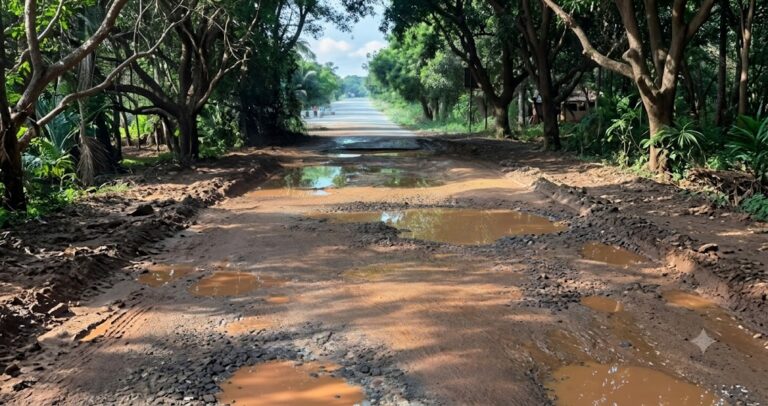
The central problem is therefore not an absence of schemes. India has no shortage of schemes for tribal development. What is missing is the conversion of constitutional intention into administrative performance. A school without a teacher, a hospital without a doctor, a road that disappears with the monsoon, a livelihood programme without a market, a land right without recognition, a Gram Sabha without authority and a budget without demonstrable outcomes together create the illusion of development without its substance. The tribal citizen does not ask merely for expenditure. He asks for dignity, security, opportunity and a meaningful voice in decisions affecting his land and life.
The constitutional promise of the Fifth Schedule was never intended to produce a permanent population of beneficiaries. It was intended to protect a people, preserve their legitimate relationship with land and community, and enable them to participate in development on terms compatible with their dignity.
The uncomfortable question, therefore, is not whether governments have spent money on tribal development. The real question is whether the money, institutions and constitutional safeguards have produced a corresponding transformation in the life of the tribal citizen. Until allocation becomes implementation, implementation becomes accountability, and accountability becomes measurable human development, the tribal regions of Andhra Pradesh will continue to live between the promise of development and the reality of deprivation. That is the mirage of development: visible from the files, impressive in the budgets, but still distant from the village.
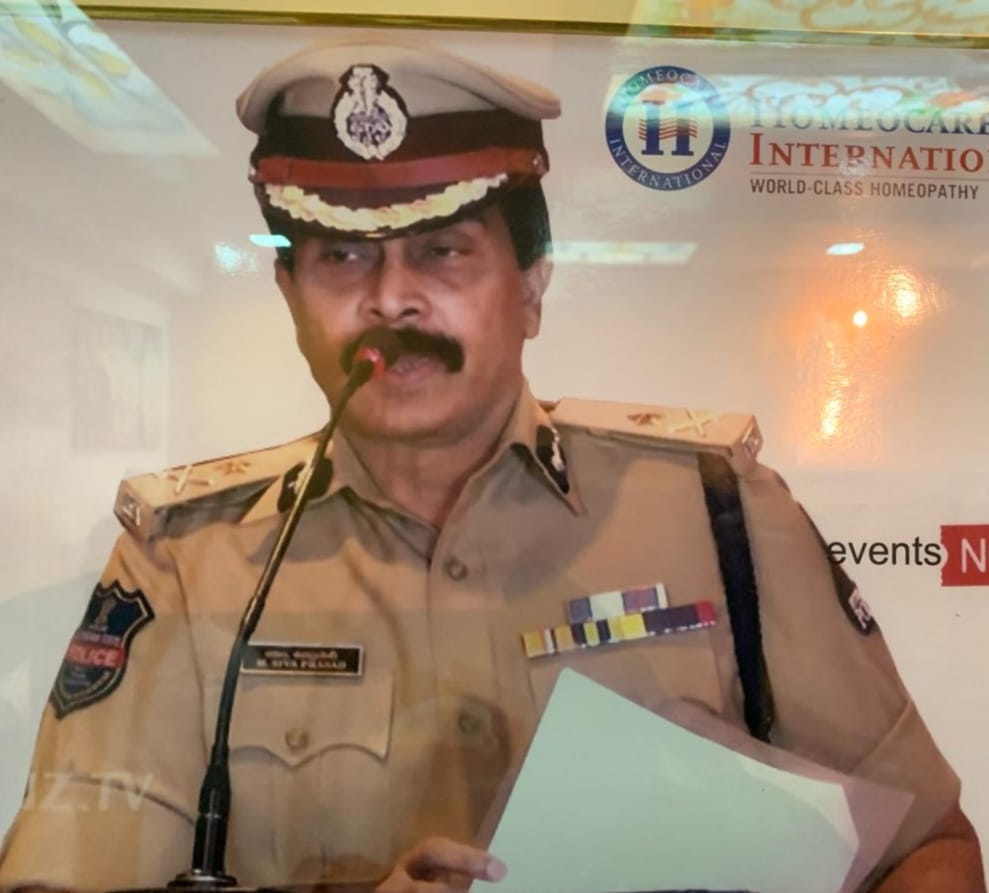
M. Shiva Prasad, IPS (Rtd.) is a dedicated law enforcement professional who served the combined Andhra Pradesh cadre before opting for the Telangana cadre. Though a native of Andhra Pradesh, he considers himself a true Hyderabadi with an abiding love for the Telugu people. Driven by sincerity, fearlessness, and a lifelong fight against inequality and injustice, his ultimate strengths remain his goodwill and deep affection for the public and the police force. Today, he continues his mission by writing snippets and articles true to his conscience.
Email: Shivareach@yahoo.com
Mobile: 98480 38774