N. Ram Lays Out Roadmap for Media Integrity and Self-Regulation
HYDERABAD — To rebuild public confidence and bridge the widening trust deficit in modern journalism, news organizations must return to core principles, including ground reporting, investigative journalism, long-form writing, and explanatory reporting.
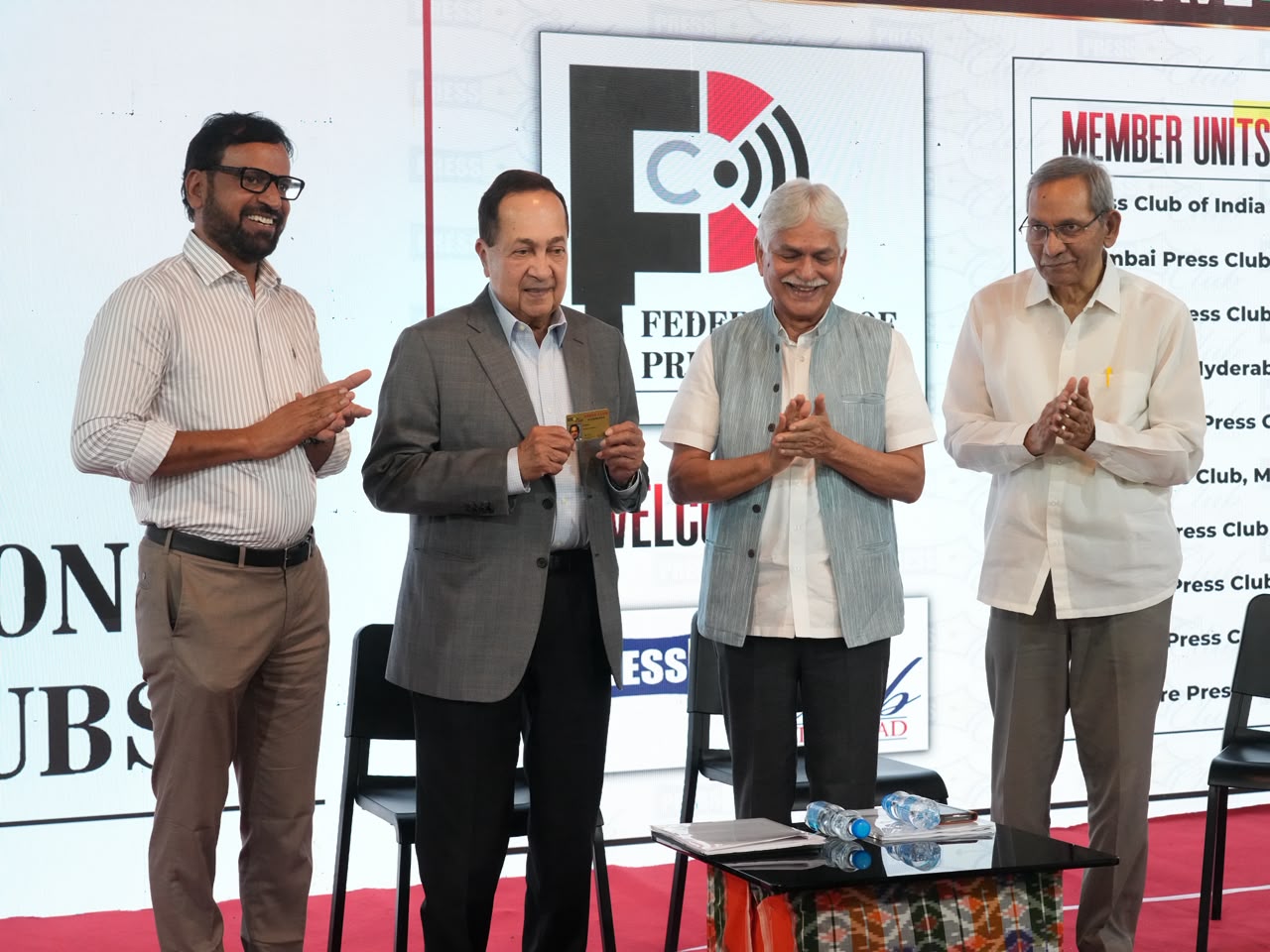
Speaking at the National Conclave organized by the Press Club Hyderabad and the Federation of Press Clubs, eminent journalist and Director of THG Publishing Private Limited (The Hindu Group), N. Ram, outlined a roadmap for editorial integrity, structural self-regulation, and news literacy to restore credibility in Indian media.
Addressing the panel topic “Trust Deficit in Media: Can the Indian Media Regain Public Confidence?”, Mr. Ram noted that the rapid proliferation of digital platforms and social media channels cannot replace fundamental, rigorous journalistic practices.
Core Recommendations and Key Takeaways
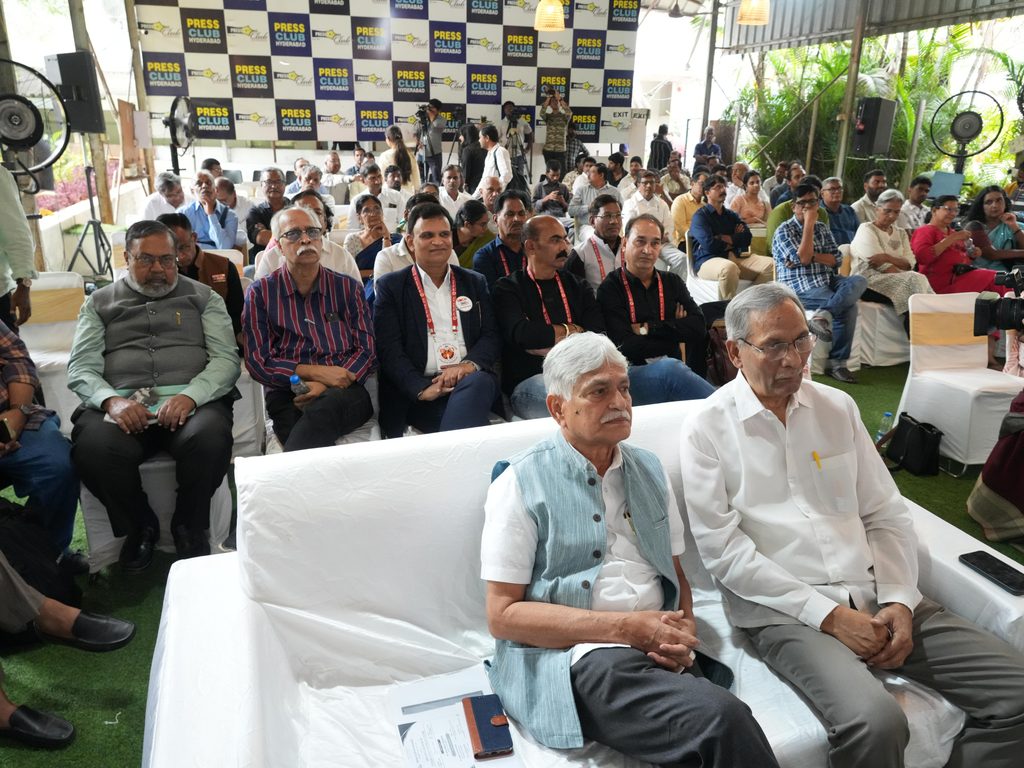
Strengthening Core Journalism Capabilities: Investigative work, deep-dive data reporting, and explanatory journalism remain the natural strengths of print media and traditional newsrooms. Doubling down on original ground reporting is essential to differentiating trustworthy news from commentary.
Independent Self-Regulation Frameworks: Self-regulatory bodies must consist of independent journalists, veteran media practitioners, and respected public figures rather than serving editors or news organization owners.
Statutory Backing for Codes of Conduct: Transparent codes of ethics should carry statutory backing enacted by Parliament to give teeth to media standards.
Appointing News Ombudsmen: Establishing independent internal ombudsmen within news organizations offers a direct mechanism to address reader grievances, correct errors transparently, and maintain accountability.
Promoting Reader-Funded Economic Models: Expressing concern over the impact of corporate ownership on independent editorial judgment, Mr. Ram advocated for alternative economic models centered around reader subscriptions and public funding.
Integrating Media Literacy in Schools: Media literacy should be introduced into school curricula at the middle and secondary levels to help the next generation critically evaluate news sources and navigate digital information.
Alternative Models and Digital Collaboration
During the discussion—moderated by former NDTV Executive Editor Uma Sudhir—fellow panelist Pratik Sinha, co-founder of Alt News, reinforced the necessity of sustainable funding and technological independence for journalists. Mr. Sinha highlighted the importance of reader-supported newsrooms and open-source software, warning against over-reliance on big technology conglomerates for distribution and revenue.
Concluding his address, Mr. Ram emphasized that while digital tools offer unprecedented reach, the longevity and public trust of any news outlet ultimately depend on its unwavering commitment to accurate, independent, and public-interest reporting.

With a journalistic long journey, we bring you https://primepost.news, a dynamic platform committed to unraveling the intricate tapestry of Indian politics, particularly delving deep into the heart of Telangana and Andhra Pradesh. Our blog is not just a source of news; it’s a reservoir of insights, analysis, and thought-provoking reviews.