- Trishanku Democracy in ‘Citizenship!’
In a democracy, elections are of fundamental importance. Equally important, however, is the constitutional status of the citizen who participates in those elections. The legitimacy of democracy depends not merely on the conduct of elections but on ensuring that every eligible citizen enjoys an equal opportunity to participate in them. Therefore, the procedures governing the determination of citizenship and electoral eligibility must be lawful, transparent, fair, and consistent with the principles of equality. Only then can the Constitution of India—the modern “Bharat Gita” of the Republic—remain true to its spirit and constitutional conscience.
“In a democracy, governments do not choose the people; the people choose their governments.”
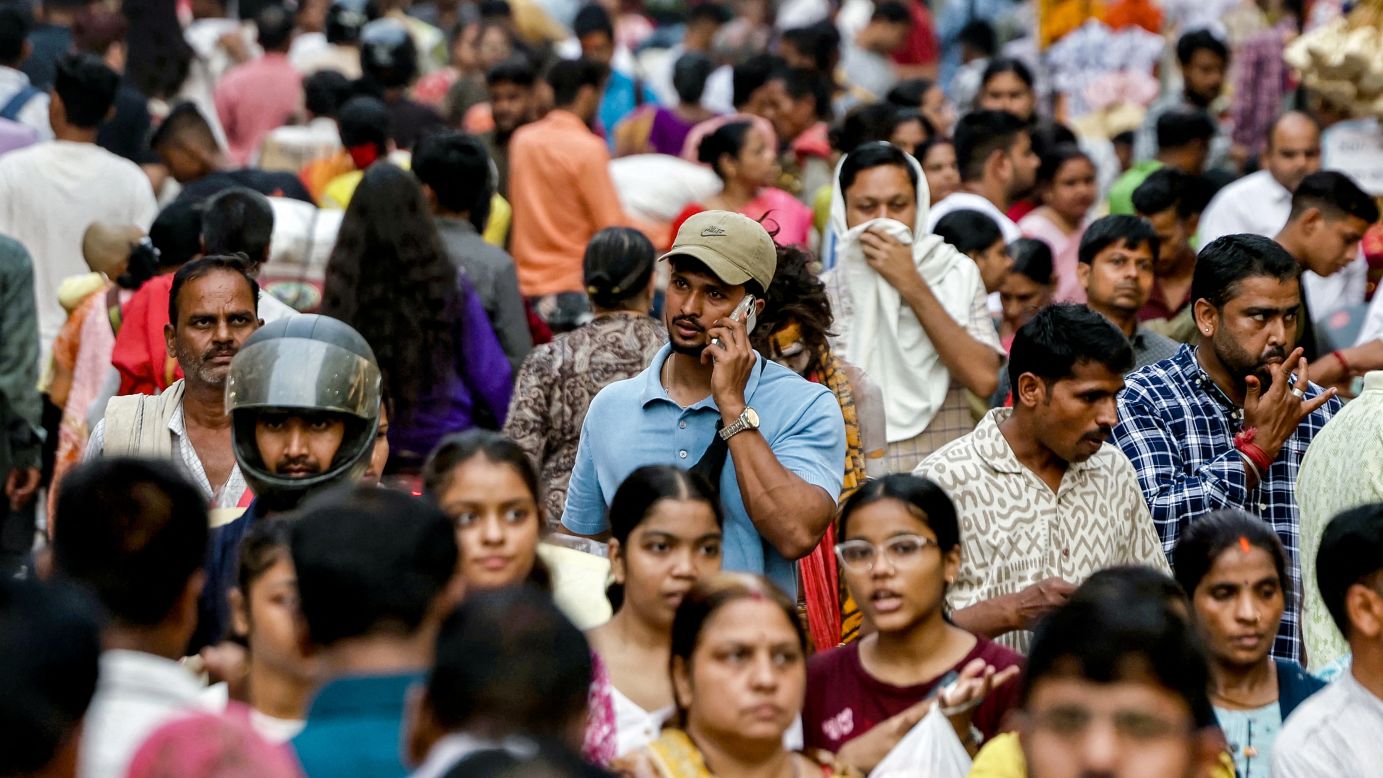
This single principle is the very foundation of Indian democracy. The framers of the Constitution did not envision democracy merely as a periodic electoral exercise. They conceived it as an institutional expression of the sovereignty of the people. That is why India is celebrated as the world’s largest democracy—not simply because of its vast population, but because every adult citizen possesses an equal constitutional right to participate in the governance of the nation.
The value of a vote does not depend upon wealth, social standing, religion, caste, or political influence. The vote of India’s richest industrialists—whether Mukesh Ambani or Gautam Adani—carries precisely the same constitutional weight as the vote of a destitute person begging outside a mosque. On election day, both stand equal before the Constitution.
No citizen, however wealthy or powerful, is exempt from the democratic process. Whether an ordinary labourer, a business magnate, or even the President of India, every voter must cast his or her ballot through the prescribed electoral procedure at the polling station. That is the majesty of our Constitution. That is the sanctity of the ballot. That is the dignity of every human being as a citizen.
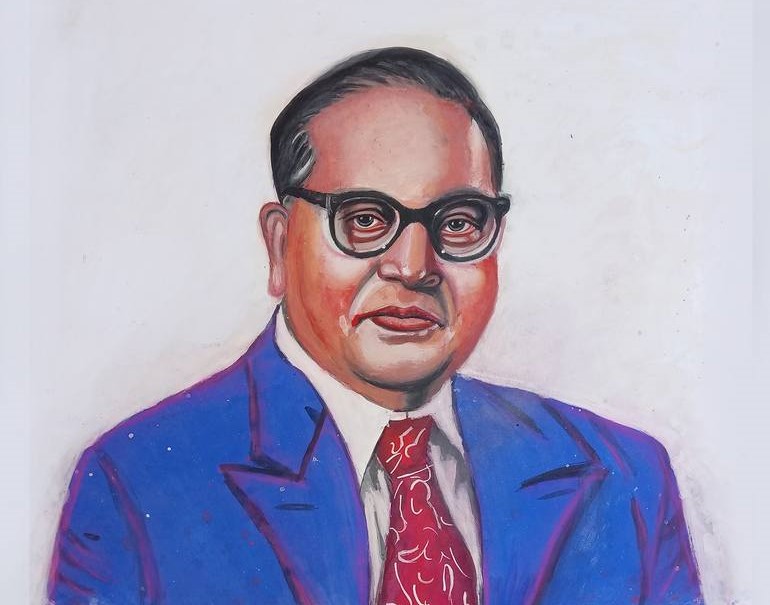
Dr. B. R. Ambedkar reminded the nation that democracy rests upon the principle of “one person, one vote, one value.” Yet his vision extended far beyond electoral equality. Political democracy must ultimately mature into social democracy, where every individual, every citizen, enjoys equal dignity, equal rights, and equal worth. Only a nation that truly recognises the equal value of every human being can aspire to become a genuine Vishwaguru—a moral leader of the world.
Today, however, serious questions are being raised about the health of Indian democracy. Many citizens are beginning to wonder whether the constitutional architecture envisioned by the founding fathers is gradually being altered. Concerns are being expressed about whether the Republic is moving away from its original constitutional ideals.
The Ministry of External Affairs (MEA) has made a very significant LEGAL & Constitutional and also an administrative clarification that has drawn attention far beyond the domain of international travel. Our PREAMBLE with pride claims that “We are the people of India…” But now the point is: We are the doubtful CITIZENS of India! It is not this author’s comment or criticism.
Travel may be easy or impossible!
Although the MEA’s clarification arose in the context of passport administration, it has broader implications for ongoing discussions concerning citizenship documentation and electoral law.
The Ministry’s distinction between a travel document and a citizenship document is likely to become an important point of reference in legal and constitutional debates surrounding voter registration, electoral roll revisions, and the documentary requirements used by public authorities.
Speaking during the observance of the 14th Passport Seva Divas, senior MEA officials stated that an Indian passport should be understood primarily as a travel document, not as a legal document establishing Indian citizenship.
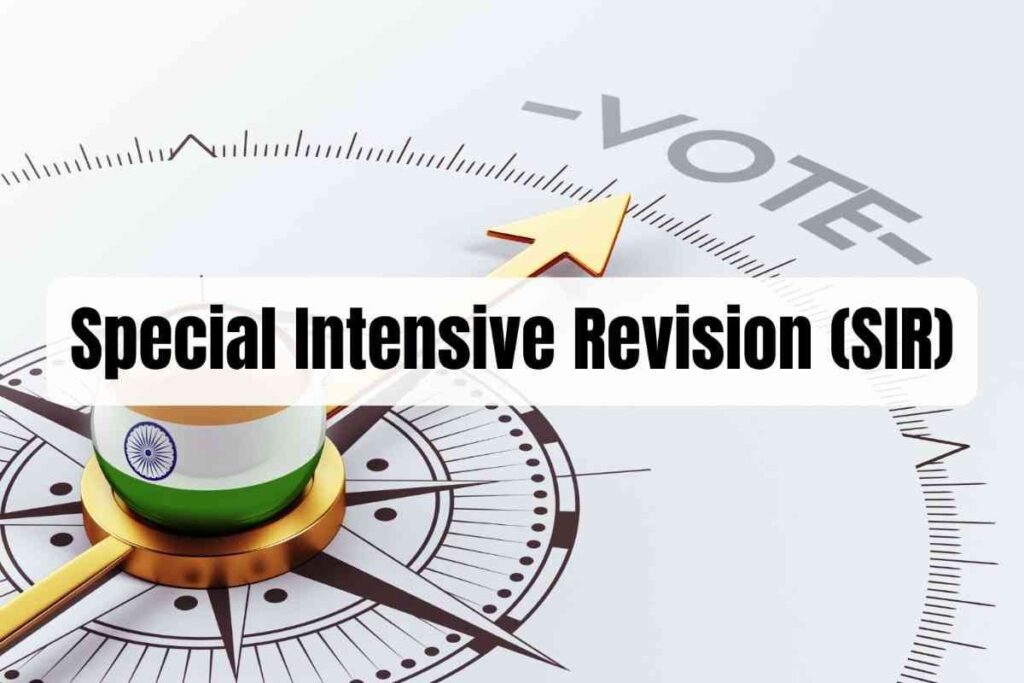
The clarification, reported across the national and international media (for instance, The Hindu) assumes particular significance because it comes at a time when the Election Commission’s Special Intensive Revision (SIR) of electoral rolls is being conducted in several States, raising questions about the kinds of documents that may be relied upon in disputes concerning inclusion or exclusion from voter lists.
As the media highlighted, the clarification came in direct response to questions regarding whether a passport alone could be relied upon to contest exclusion from voter lists during the ongoing Special Intensive Revision of electoral rolls. Whether this distinction will influence future judicial interpretation or electoral policy remains to be seen, but the statement has already added a significant legal dimension to the national discussion on citizenship documentation and democratic participation.
Is a passport a facility
According to senior officials of the Ministry of External Affairs, the principal purpose of an Indian passport is to facilitate the movement of Indian nationals across international borders. It enables holders to travel through foreign countries and serves as an internationally recognised travel document.
One senior MEA official explained that, while a passport identifies the holder’s nationality for international travel, it should not be equated with documents that legally establish citizenship rights within India. Responding to a question from print media regarding whether a passport could be used to challenge exclusion from electoral rolls during the ongoing SIR exercise, the official stated:
“Passport is a travel document, not a document of citizenship, and theoretically speaking that distinguishes passport from other documents. Even though while travelling abroad, passport attests to your nationality, yet it is not a document of your citizenship.”
This statement marks one of the clearest public explanations by the Ministry distinguishing the legal concept of citizenship from the administrative function of a passport.
For what this Electoral roll verification?
The timing of the clarification is noteworthy because it comes amid widespread debate over electoral roll verification. In several States, questions have arisen about whether possession of an Indian passport should, by itself, be sufficient to establish eligibility for inclusion in the electoral rolls.
The MEA’s position indicates that although the passport confirms nationality for international purposes, it is not intended to function as the definitive legal proof of citizenship in domestic legal proceedings or electoral processes.
This does not imply that passport holders are not Indian citizens. Rather, the Ministry explains that the passport is issued under the legal framework governing international travel and therefore should not automatically be treated as the final documentary evidence of citizenship wherever such questions arise.
Another senior MEA official emphasized that passports are issued only after extensive verification procedures. According to the official, the Ministry undertakes considerable due diligence before granting a passport. Verification relies upon multiple government records and supporting documents, including identity documents such as Aadhaar and PAN, along with police verification and other prescribed procedures.
The official remarked that the Ministry ensures that passports are issued only to individuals who are legally entitled to receive them. This statement underlines the fact that although a passport may not legally constitute proof of citizenship in every context, its issuance nevertheless follows a comprehensive verification process involving several government agencies.
MEA’s new forum
The Ministry also announced that it will organise the Human Resource Mobility Forum in New Delhi from June 30 to July 1. The forum is expected to bring together numerous recruitment agencies and government representatives to strengthen lawful overseas employment opportunities for Indian citizens.
Countries expected to feature prominently in the discussions include: Italy, Germany, Japan, Russia, and Denmark. The initiative reflects the Government’s broader policy of expanding skilled migration partnerships with advanced industrial economies facing labour shortages.
Officials indicated that India intends to deepen mobility agreements with Western countries and Japan so that Indian workers may obtain secure, legal, and well-regulated employment abroad.
Migration and promotion?
The Ministry also highlighted the importance of ethical migration. Officials expressed concern that many Indians continue to be misled by fraudulent recruitment agents who promise lucrative employment abroad through illegal channels. Some migrants have reportedly been trafficked into conflict zones or dangerous working environments after relying on unauthorised intermediaries.
It is reported that one senior official said the Government intends to dispel misconceptions that irregular migration to countries such as Italy or Greece inevitably leads to prosperity. According to him: “We have to demolish the myths that one can go to Italy or Greece using unfair means and then send home lots of money.” The Ministry hopes that greater public awareness will reduce exploitation by illegal agents while encouraging safe, lawful migration pathways.
During Passport Seva Divas, the Ministry also highlighted the considerable expansion of passport services across India. According to MEA officials:
- Approximately 545 Passport Seva Kendras (PSKs) are now functioning across the country.
- The network has expanded sufficiently to cover almost every Lok Sabha constituency.
- Around 10 percent of Indian passport holders now possess chip-enabled e-passports, representing the gradual transition toward more secure travel documentation.
Officials also noted that the Government continues to modernise passport services by making them faster, more transparent, and more accessible. The Ministry pointed to improving international acceptance of Indian passports. According to the figures released during Passport Seva Divas:
- 27 countries currently permit visa-free entry for Indian passport holders.
- 47 countries offer visas on arrival.
- 66 countries provide electronic visa (e-visa) facilities.
These developments, officials said, have made international travel significantly easier for Indian citizens seeking tourism, education, business, and employment opportunities abroad.
For Indians living abroad
The MEA also highlighted efforts to strengthen welfare services for Indians living abroad. One-stop support centres for distressed women in the Indian diaspora have already been established in several Gulf countries and Singapore with the assistance of Indian community organisations. The Ministry indicated that similar facilities are expected to be expanded to additional countries in the future.
Reforms by Jaishankar
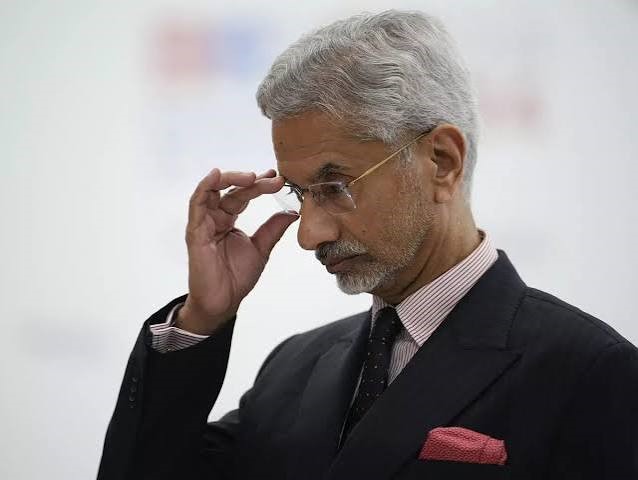
Marking the 14th Passport Seva Divas, External Affairs Minister S. Jaishankar reaffirmed the Government’s commitment to improving passport services. The Minister stated that the Ministry would continue making passport delivery faster, more transparent, and more accessible. He also noted that the expansion of Passport Seva Kendras and the introduction of chip-enabled e-passports have simplified international travel while creating greater opportunities for Indians to participate in the global labour market.
The Election Commission’s ongoing Special Intensive Revision (SIR) of electoral rolls has become one of the most contentious constitutional issues in recent years. Supporters argue that the exercise is a necessary administrative measure to cleanse the electoral rolls by removing duplicate, deceased, or otherwise ineligible entries, thereby strengthening electoral integrity.
Critics, however—including opposition parties, civil liberties organisations, and several constitutional scholars—warn that if the process lacks adequate transparency, procedural safeguards, and effective opportunities for appeal, it may result in the exclusion of genuine and eligible voters. They argue that the real strength of a democracy lies not merely in maintaining accurate electoral rolls but in ensuring that no eligible citizen is deprived of the constitutional right to participate in the democratic process.
The challenge before India, therefore, is profound. The Republic must preserve both the purity of the electoral rolls and the universality of adult franchise. Democracy loses its moral authority if governments begin to determine who may participate in elections rather than allowing the people, without fear or discrimination, to choose their governments. Protecting both electoral integrity and the citizens’ right to vote is the true constitutional test of Indian democracy.
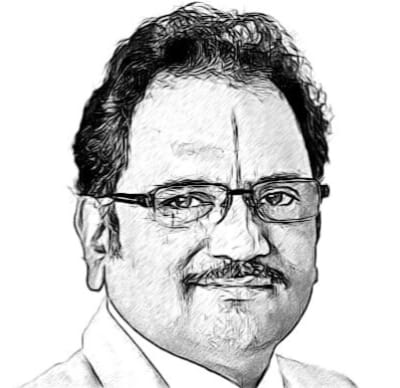
Law professor and eminent columnist
Madabhushi Sridhar Acharyulu, author of 63 books (in Telugu and English), Formerly Central Information Commissioner, Professor of NALSAR University, Bennett University (near Delhi), presently Professor and Advisor, Mahindra University, Hyderabad. Studied in Masoom Ali High School, AVV Junior College, CKM College, and Kakatiya University in Warangal. Madabhushi did LL.M., MCJ., and the highest law degree, LL.D. He won 4 Gold Medals at Kakatiya University and Osmania University.
Email: cicsridhar@gmail.com
Mobile: 8447651505