
Euphoria, Liquor, Narcotics, Political Economy and the Crisis of Social Responsibility
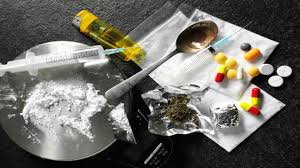
India today stands at the crossroads of an uncomfortable contradiction. Governments, educational institutions, police organisations and civil society have rightly intensified campaigns against narcotic drugs. School children participate in anti-drug rallies. Universities organise awareness programmes. Police officers address students about the dangers of heroin, cocaine, methamphetamine, MDMA, LSD and synthetic psychotropic substances. Every year, tonnes of narcotics are seized and displayed before the media as symbols of the State’s determination to combat drug trafficking.
These initiatives deserve appreciation. Narcotic drugs destroy lives, weaken families, finance organised crime and threaten national security. No responsible society can remain indifferent to such dangers.
Yet an equally uncomfortable question demands an equally honest answer.
If the nation is preaching against narcotics, why is there comparatively so little sustained public campaigning against harmful alcohol consumption? Why is intoxication condemned in one form while often normalised in another? Why are children repeatedly warned against drugs but rarely educated with equal vigour about the physical, psychological, social and economic consequences of excessive drinking?
This is not an argument that alcohol and narcotic drugs are identical. They are not. Their legal status, pharmacological effects and patterns of harm differ. Yet both are psychoactive substances capable of causing addiction, impaired judgment, family breakdown, road fatalities, violence, economic distress and severe public health consequences. The degree and nature of harm may vary, but neither deserves complacency.
The paradox becomes particularly striking in several Indian states, including Andhra Pradesh and Telangana, where liquor retail networks have expanded dramatically over the past two decades. Premium liquor outlets, wine shops, bars, pubs and hospitality establishments have become commonplace in urban landscapes. In many neighbourhoods they appear more numerous and accessible than primary healthcare facilities. Alcohol has increasingly acquired the symbolism of social mobility, corporate success and urban sophistication. Weekend drinking has become a social ritual. Peer pressure has converted experimentation into habit for many young adults.
The issue is not morality; it is public health.
India remains a country where a majority of adults do not consume alcohol, yet alcohol-related harm remains substantial because of the size of the population and the concentration of heavy drinking among some groups. The World Health Organization has repeatedly documented alcohol’s association with liver disease, cancers, cardiovascular disorders, road traffic injuries, domestic violence, workplace accidents, mental illness and premature mortality. The economic costs extend far beyond the excise revenues collected by governments.
Excise revenue is frequently cited as justification for expanding liquor sales. Indeed, state governments derive significant income from alcohol taxation. That revenue finances welfare programmes, infrastructure and public administration. Fiscal reality cannot simply be ignored.
Yet fiscal necessity cannot become a complete answer to a constitutional question.
Can governments simultaneously depend upon alcohol revenue while claiming to pursue public health as a constitutional obligation? Can the expansion of liquor availability become the principal instrument of revenue mobilisation without inviting deeper questions about long-term social costs? Every rupee earned through excise must ultimately be weighed against expenditure on healthcare, policing, judicial administration, road accidents, domestic violence, lost productivity, family impoverishment and rehabilitation.
The debate therefore is not about prohibition versus liberalisation.
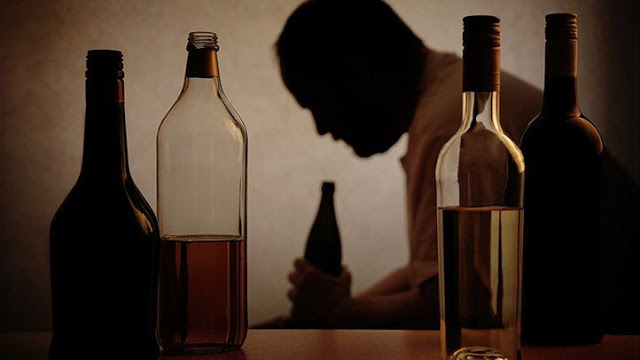
It is about consistency. If anti-drug education deserves nationwide campaigns, should not responsible alcohol consumption—or, more importantly, prevention of harmful drinking among adolescents and young adults—receive comparable attention? Public policy need not equate liquor with narcotics to acknowledge that excessive alcohol consumption is itself a major public health challenge.
The narcotics menace, meanwhile, has assumed dimensions far beyond conventional criminality. India’s location between the Golden Crescent and the Golden Triangle has made it vulnerable to heroin, methamphetamine, cocaine, MDMA, fentanyl and numerous synthetic drugs. International cartels exploit porous borders, maritime routes, encrypted communications, cryptocurrencies and darknet platforms to penetrate Indian markets. Pharmaceutical opioids, prescription sedatives and psychotropic medicines are increasingly diverted into illicit distribution networks.
The True Cost of Trafficking: Law, Governance, and Collective Responsibility
The consequences extend beyond addiction. Drug trafficking finances organised crime, money laundering and, in some instances, extremist violence. Narco-terrorism has become a recognised instrument through which criminal syndicates and terrorist organisations generate resources capable of destabilising societies without firing a single conventional weapon.
India’s legal framework under the Narcotic Drugs and Psychotropic Substances Act remains among the world’s strictest. The Bharatiya Nyaya Sanhita strengthens the broader criminal law architecture against organised criminality. Yet legislation alone cannot substitute for effective governance. Intelligence failures, procedural lapses, inadequate forensic infrastructure, prolonged investigations, judicial delays and fragmented institutional coordination continue to weaken deterrence.
Ultimately, however, neither narcotics nor alcohol can be understood merely through the prism of criminal law. Both belong to a wider ecosystem of substance dependence, commercial incentives, psychological vulnerability and social acceptance. Families, schools, universities, employers, healthcare institutions, community organisations and governments all share responsibility for prevention.
Why India Needs an Honest Approach to Substance Abuse
The greatest danger confronting India is not merely the availability of intoxicants but the gradual normalisation of intoxication itself. When chemical escape becomes culturally acceptable, addiction ceases to appear exceptional. It becomes routine. A society that celebrates intoxication while condemning only its most extreme manifestations risks fighting symptoms while ignoring causes.
The Republic therefore requires intellectual honesty. It should continue its uncompromising war against narcotic drugs and transnational trafficking. Simultaneously, it must strengthen evidence-based public education on harmful alcohol consumption, especially among young people. Doing so does not diminish the seriousness of narcotics; it broadens the nation’s commitment to public health.
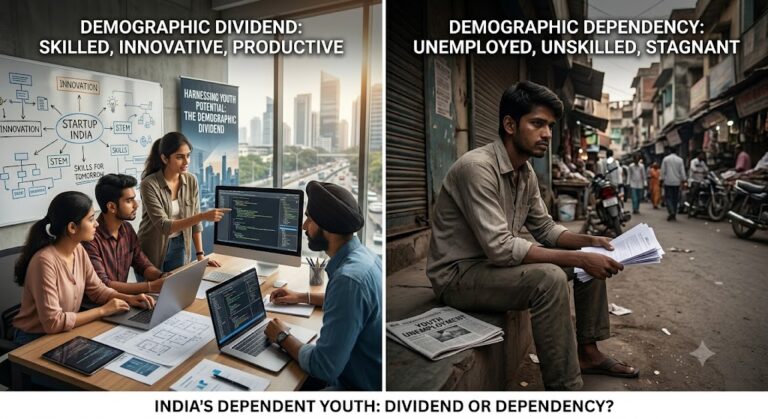
The question before India is therefore larger than drugs or liquor alone. It is whether public policy will address the entire spectrum of substance abuse with consistency, scientific evidence and constitutional responsibility. The struggle is not against one chemical and in favour of another. It is against addiction, exploitation, organised criminality and the erosion of human dignity. A nation that seeks to preserve its demographic dividend must wage that battle with equal courage in every arena.
Only then will India’s campaign against intoxication become not merely an enforcement strategy, but a genuine movement for public health, social responsibility and national renewal.


With a journalistic long journey, we bring you https://primepost.news, a dynamic platform committed to unraveling the intricate tapestry of Indian politics, particularly delving deep into the heart of Telangana and Andhra Pradesh. Our blog is not just a source of news; it’s a reservoir of insights, analysis, and thought-provoking reviews.

It’s a good item from Mr. M. Shiva Prasad, IPS, Retd., it’s very educative to present youth who are habituated to take drugs. Mostly, it starts with dissatisfaction over life and with excess of money. Youth should learn to be patient at tough times, and to be brave to face the consequences. One can understand how our past generation people faced tough times without getting involved into narcotics. We should take them as an example and follow. This is not the solution to indulge into narcotics for temporary relief. It causes serious concern on our health. Present youth should realise this and learn to surpass tough situations to be healthier. It’s very educative and worthy. Thanks For Sharing.