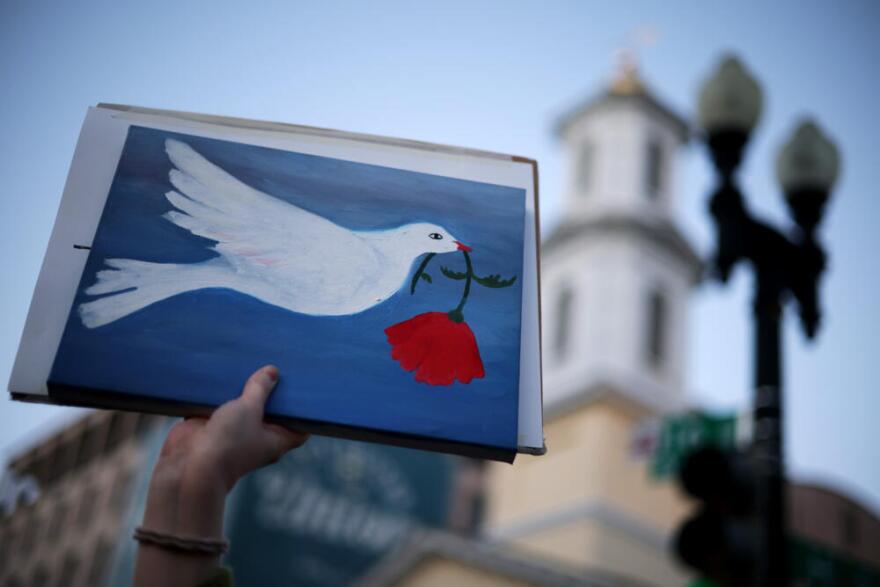
Peace in west Asia is visible at last!
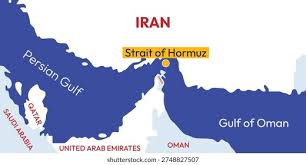
US-Iran framework pact is a big relief after three and half months of mass killings and unnecessary war. After the announcement of the pact, the stock markets worldwide have gained their composure and oil prices have fallen. It is important to remember that what has been agreed to was only a framework and not the peace deal. Israel, which started the bloodshed, said it would not withdraw from Lebanon. Iran is ever prepared to close the Strait of Hormuz and retaliate the Israel’s actions. So, it would not take little time for the framework and the peace pact, that is supposed to be signed on Friday, to be abandoned and re-launch the hostilities. That the Strait of Hormuz, through which one-fifth of the world oil is shipped, and the Gulf of Oman are about to be re-opened is good news. According to Iran and Pakistan, the preliminary deal signed digitally on Sunday will be signed by US Vice-President JD Vance in-person in Geneva, Switzerland, on June 19.
Strategic Reopening of Global Shipping Lanes
US President Trump said in France, “The deal with the Islamic Republic of Iran is now complete…. I hereby fully authorize the toll-free opening of the Strait of Hormuz, and authorize the immediate removal of the United States Naval blockade.” Trump is in France to attend the G7 meeting. Trump has given birthday gift to himself on Sunday. Incidentally, Prime Minister Narendra Modi also is in that part of the world. He welcomed the accord between the US and the Iran.
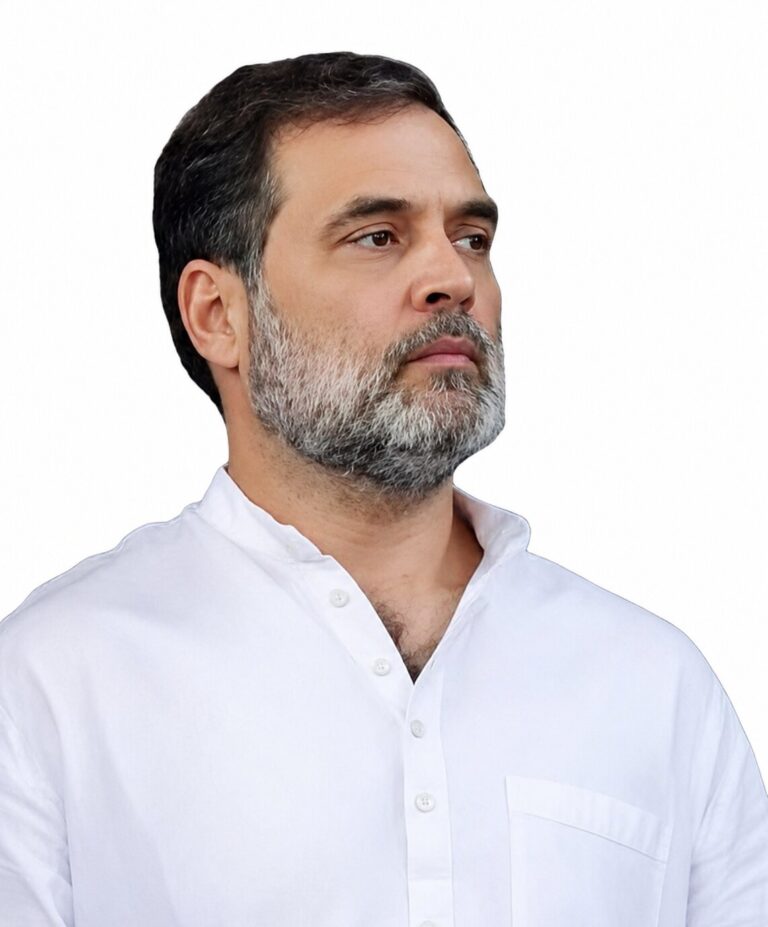
“India hopes that the implementation of this understanding will help restore peace and stability in the region and ensure the freedom of navigation and commerce,” said Modi. Iran’s Supreme National Security Council confirmed that, “Tehran and Washington had finalized the text of the ‘memorandum of understanding’ on ending the war, while its Foreign Ministry said releasing frozen assets and paying war reparations were “essential” parts of the deal. The American side is committed to taking measures in both areas.”
Release of the frozen assets, sanctions, imposed on Iran by the US and European countries, being waived and securing the Strait of Hormuz from future blockage are truly hard to negotiate.
Market Volatility and the Logistics of Oil Recovery
Markets have been fluctuating for the last three months depending on the war situation. They are fickle. From a high of $120 the price of a barrel of oil has come down to $80. Even if both the US and Iran lift their blockade on the 19th, the 600-odd ships that got stuck in Persian Gulf cannot exit immediately. As the strait is reportedly mined, they have to be carefully navigated. Oil will not get back to $73, where it was before Feb 28, when Israel and the US started bombing Iran. Gulf countries unable to ship their oil since the start of the war are sitting on the inventories. They will flood the market with oil and gas within days of reopening of the Strait of Hormuz. Even then, the prices will not come down immediately. Knowing what Iran and the US can do with the Strait of Hormuz, the recipient countries will keep the prices high to cover the future risk.
What has Trump achieved? Republicans have been arguing that any compromise with Iran would weaken the US position in the region. Israel too is deeply divided. Benjamin Netanyahu’s senior cabinet colleagues have described the framework pact as a strategic failure. Iran hardliners within Islamic Revolutionary Guard Corps (IRGC) oppose any agreement surrendering leverage without securing adequate guarantees. Iran will not concede more than what it gave in the Iran nuclear deal in 2015.
Whatever extra Trump gets from Iran will be sold to American people as a qualitative difference to Obama’s Joint Comprehensive Plan of Action (JCPOA) in nuclear deal with Iran 11 years ago. Even moderate concessions from Iran will be shown by Trump as major success. As a matter of fact, the US did not gain anything from the war but Iran did though it lost people and infrastructure. Trump’s argument will not convince the politicians in Washington DC, but it might win him back some of his voters who don’t care for wars in West Asia. Some observers sympathetic to Iran feel Iran’s geopolitical position is more central and stronger after the war with the US and Israel.
Terms of the Transition and the 60-Day Window
Tehran appears to have agreed to neither produce nor acquire nuclear weapons. Negotiation will be conducted between the US and the Iranian teams over the next 60 days. They will also discuss the Washington’s plan to reconstruct Iran which was ravaged by war. $25 billion of Iran’s frozen assets will be released. After the memorandum is signed on Friday, the Strait of Hormuz will reopen. The US will also lift its blockade on Iran’s ports. Marine traffic through the strait would be regulated by Iran and Oman.
Netanyahu has to face elections this year as Trump has mid-term polls in November. Israel is worried that the peace pact would strengthen Iran economically. When Israel and the US launched the war, both Trump and Netanyahu spoke of weakening the Iranian regime if not dismantling it. They got the supreme leader Ayatollah Ali Khamenei and half a dozen top leaders mercilessly killed. But they could not achieve decisive military objectives. On the other hand, Tehran regionalized the conflict, leveraged the allied militia and effectively shut down the Strait of Hormuz affecting the global supply chain and sending the oil and LPG prices soaring forcing Trump to shift from coercion to negotiations.
Implications for India and Regional Diplomacy
India should lend its support to peace process in its own interest. Millions of Indians work along with the Gulf and thousands are serving at sea. People in the country are grappling with high fuel and LPG prices. While India is seen as a supporter of Israel and the US, Pakistan is seen as the peacemaker. Pakistan which has been successfully isolated by India after it orchestrated terror attacks in Mumbai in November 2008, now seems to acquire regional and global influence, the Congress General Secretary Jairam Ramesh said. Death of three sailors in the US attacks off the coast of Oman has evoked anger and grief in India. Trump disowning the responsibility and blaming Iran for the attack has been criticized by the opposition in the country.
A Lesson in West Asian Diplomacy
Anyway, the end of conflict in Iran is welcome. The peace can help the American allies in West Asia take their breathe and go back to their business. In future, the US should think about its allies when it plans anything in West Asia. This is the main lesson for the US and its allies.

Prominent Journalist
Dr. K. Ramachandra Murthy is a versatile journalist with a distinguished career. Dr. Murthy began his extensive career with Andhra Prabha of The Indian Express group in Bengaluru. He was editor of Udayam, Vaartha and Andhra Jyothy. Dr. Murthy founded and edited HMTV news channel and The Hans India, an English newspaper. He was also editorial director of the Telugu newspaper, Saakshi. He was awarded Ph. D for his research work in rural reporting. Dr. Murthy’s five decades in journalism showcases his influential roles across both print and electronic media. He wrote the political biography of NTR published by Harper Collins.
Email: murthykondubhatla@gmail.com
Mobile: 9908002211

It’s nice to hear that U S and Iran have come to a conclusion to stop the war to maintain peace in the region. And business transactions have begun. It’s good sign in developing amicable relation between both the nation’s.