Unmasking the Local Retail Monopoly: Exploitation, Accountability, and the Path Forward
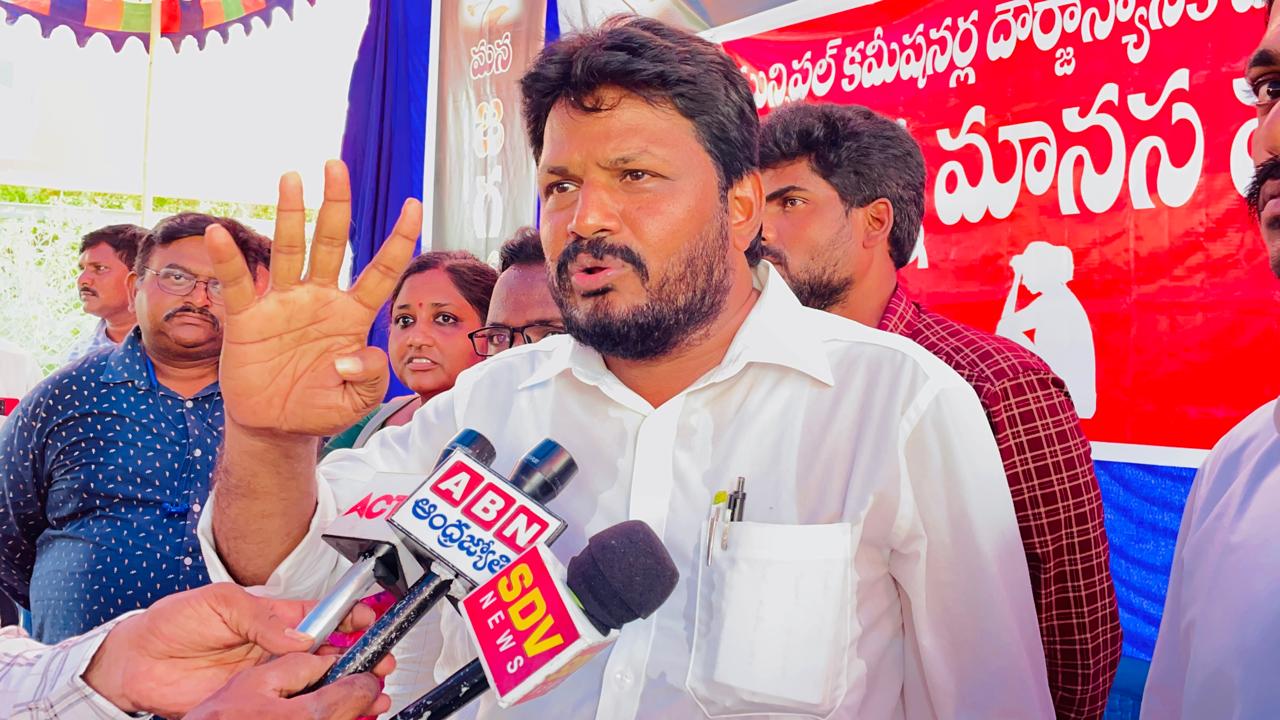
CPI Secretary of Andhra Pradesh G Eswaraiah urges the government to respond on medical mafia
The rapid integration of modern technology—from the smartphone revolution and UPI digital payments to tele-medicine ecosystems—has fundamentally transformed consumer lifestyles across India. Just as daily essentials and apparel have transitioned online, e-pharmacy mobile applications now seamlessly deliver life-saving medicines right to patients’ doorsteps through tele-health consultations.
However, this technological leap has met fierce resistance. The ‘All India Organization of Chemists and Druggists Association’ (AIOCD) recently called for a nationwide strike of medical shops, protesting the issuance of licenses to online pharmacies by the Central and State Drug Control Administrations. While retail associations frame this shutdown as a crusade for public safety, a deeper look at ground realities reveals a starkly different narrative: a desperate bid to preserve a lucrative monopoly, sustain unchecked consumer exploitation, and obscure the medical mafia draining the pockets of ordinary working-class families.
Lifeline or Luxury? The Financial Burden of Chronic Illness
For poor and middle-class families, managing chronic illnesses like diabetes, hypertension, and cardiac conditions is an ongoing financial crisis. Every month, a massive chunk of their hard-earned income is swallowed by soaring medical bills. Online e-cart pharmacy platforms offer direct financial relief to these vulnerable populations:
Deep Discounts: By procuring medicines in bulk directly from manufacturers, corporate e-pharmacies bypass multi-layered distributor margins and pass these large-scale savings directly to the public.
Convenience and Autonomy: Patients enjoy home delivery—often free or at minimal cost—and can personally select and order the exact brand prescribed by their physicians.
Slashing the Healthcare Budget: This transparency eliminates local manipulation, offering immense economic relief to the common man.
Unmasking the Monopoly: The 700% Profit Margin Trick
The true catalyst behind the retail traders’ anxiety lies in the lucrative pricing structure of local brick-and-mortar medical shops. A close examination of retail pharmacy operations reveals an alarming statistic: leading, heavily promoted brands account for only about 20% of their total sales. The remaining 80% is driven by “non-promoting branded” or Propaganda Cum Distribution (PCD) medicines.
A close examination of retail pharmacy operations reveals a highly disproportionate sales distribution that directly impacts consumer healthcare costs. Leading, heavily promoted branded drugs account for only about 20% of total market sales and are typically bound by standard, regulated profit margins. In stark contrast, the remaining 80% of the market is entirely driven by “non-promoting branded” or Propaganda Cum Distribution (PCD) medicines. Because these PCD drugs carry artificially inflated Maximum Retail Prices (MRPs), local retailers enjoy exorbitant profit margins that can reach up to 700%, effectively generating a massive Rs7 in revenue on a meager investment of just Rs1.
While the Central Government introduced the Drug Price Control Order (DPCO), its implementation remains toothless. The National Pharmaceutical Pricing Authority (NPPA), legally bound to regulate these costs, has increasingly functioned as a passive bystander to corporate manufacturing interests. When a patient demands a specific, affordable brand prescribed by their doctor, retailers frequently employ a standard deception: “That brand is out of stock, but we have another excellent medicine with the exact same composition.” Consumers are thus coerced into buying hyper-inflated alternatives. Retailers fear that the transparent pricing of online platforms will permanently dismantle this racket.
Fact-Checking the Fearmongering: Who is Dispensing Your Drugs?
To block the entry of e-pharmacies, retail associations have weaponized alarmist propaganda, claiming that digital platforms operate without qualified pharmacists and risk the indiscriminate distribution of narcotics, psychotropics, and abortifacients. However, a look at the status quo of local community pharmacies completely invalidates these claims:
Absence of Professionals: Nearly 95% of existing physical retail shops** do not have a qualified pharmacist physically present on the premises.
Prescription-less Sales: Almost 90% of over-the-counter sales in these shops occur without any valid medical prescription. Local retail traders routinely profit by selling everything from standard analgesics to Medical Termination of Pregnancy (MTP) kits, alongside highly dangerous, habit-forming Schedule G, H, and X drugs (such as Tramadol and Alprazolam) to completely unverified buyers.
The Digital Paper Trail vs. The Missing Cash Memo
Accountability is virtually non-existent in traditional pharmacy setups. Currently, an estimated 98% of private retail medical shops fail to issue official cash memos or bills to consumers. If a patient experiences severe side effects, receives an incorrect dosage, or consumes a substandard/counterfeit drug, the local retailer bears zero accountability and can easily claim they never sold the medicine.
Conversely, e-pharmacies introduce absolute transparency:
Every digital transaction automatically generates a precise invoice.Consumers retain an unalterable digital proof of purchase, ensuring the legal right to return faulty products.
* If counterfeit medicines are detected, the patient possesses verifiable evidence to file formal complaints with the Drug Control Administration, enabling swift legal action against the corporate vendor and safeguarding public health.
Elevating the Pharmacy Profession: Employment and Governance
Far from destroying livelihoods, the digital transition offers structured corporate growth and dignified employment for thousands of qualified, young pharmacy graduates.
Under the e-pharmacy framework, medicine distribution is heavily audited:
1. When a consumer uploads a prescription, a qualified backend pharmacist is legally bound to review the dosage and offer direct tele-consultation if necessary.
2. The entire dispensing process is locked behind the pharmacist’s Aadhaar-linked Pharmacy Council registration number, biometric authentication, and digital signature, creating absolute personal accountability.
Local retail owners actively avoid hiring qualified pharmacists to cut overhead costs, opting instead to deploy untrained, cheap labor. A shift toward online platforms will break this cycle, creating thousands of corporate roles and paving the way for professional pharmacists to transition into clinical consultants.
Isolation of the Striking Shops
The malicious nature of this strike is highlighted by who is not participating. Major organized retail pharmacy chains like Apollo and MedPlus, alongside critical hospital-attached emergency pharmacies, have completely distanced themselves from the shutdown. This isolation proves that the strike is not a public health advocacy move, but a calculated defense of black-marketing and unrestrained exploitation organized by local cartels.
The Path Forward: Demands to the Government
The Central and State Governments must refuse to yield to the blackmail tactics of retail medical shop associations. Prioritizing public health over trader monopolies, the government should actively welcome the online pharmacy ecosystem while implementing a robust, modernized regulatory framework. To ensure a balanced transition, the Communist Party of India (CPI), Andhra Pradesh State Committee, urges the immediate implementation of the following recommendations:
Mandatory Professional Processing: Enforce strict guidelines ensuring that every single prescription uploaded to an e-pharmacy is processed and approved exclusively by a registered, qualified pharmacist.
Biometric Lockouts: Mandate that no medicine can leave an online fulfillment center without a biometric-linked digital signature from a registered pharmacist.
Technological Oversight: Radically modernize and digitize the State Pharmacy Council and the Drug Control Administration to provide real-time oversight of online platforms.
Self-Employment Revolution: Create dedicated legal provisions and state-backed financial assistance schemes to enable young pharmacy graduates to establish independent Community Pharmacy Consultation Clinics, taking professional healthcare guidance directly to the citizens.
The e-pharmacy framework represents the future of democratic, affordable, and transparent healthcare. It is time for the government to protect ordinary working people from the medical retail mafia, formalize pharmacy employment, and step resolutely into the digital age.
[Gujjula Eswaraiah, CPI secretary of Andhra Pradesh, the author of the article wrote a letter to Chief Minister N Chandrababu Naidu on the issue]

With a journalistic long journey, we bring you https://primepost.news, a dynamic platform committed to unraveling the intricate tapestry of Indian politics, particularly delving deep into the heart of Telangana and Andhra Pradesh. Our blog is not just a source of news; it’s a reservoir of insights, analysis, and thought-provoking reviews.