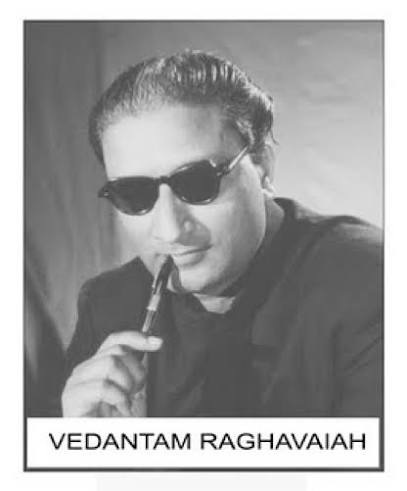
The Choreographer of Celluloid: How Vedantham Raghavaiah Sculpted the Golden Age of Telugu Cinema
The golden age of Telugu cinema was not merely a product of time, but the result of visionary craftsmanship. Among its primary architects stands Vedantham Raghavaiah, a man whose transition from the classical stage of Kuchipudi to the silver screen redefined the aesthetic standards of South Indian film. A polymath—director, choreographer, and producer—Raghavaiah brought a rhythmic grace and visual grandeur to cinema that remains unparalleled.
The Classical Foundation: From Kuchipudi to Camera
Raghavaiah’s greatest strength was his roots in Kuchipudi dance. Born into a family of traditional performers, he understood the “Abhinaya” (expression) and “Tala” (rhythm) intimately. This background allowed him to direct films not as mere sequences of dialogue, but as choreographed movements. Even in non-musical scenes, there is a certain “Laya” or tempo in his pacing that feels inherently musical.
Narrative Grandeur and Selection of Themes
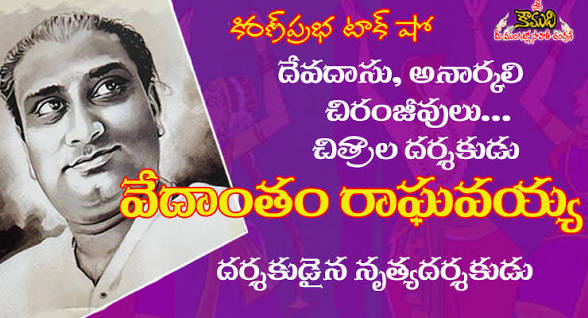
He was a master of the folklore (Janapada) and mythological genres. Raghavaiah didn’t just tell stories; he built worlds. Whether it was the ethereal romance of Devadasu or the magical realms of Pathala Bhairavi (where he served as choreographer), he chose themes that allowed for heightened emotion and visual spectacle.
Direction Skills: The Visual Poet
As a director, Raghavaiah was known for his meticulous framing. He was one of the first to treat the camera as a participant in the dance. He understood that a director’s job was to “paint with light.” His blocking of actors—positioning them in a way that utilized the entire depth of the set—made his films feel three-dimensional and immersive long before modern technology.
Selection of Actors: Creating Icons
Raghavaiah had an uncanny eye for casting. He didn’t just look for stars; he looked for faces that could carry the weight of an era. He played a pivotal role in shaping the careers of Akkineni Nageswara Rao (ANR) and N.T. Rama Rao (NTR). By casting ANR in Devadasu, he moved away from the traditional “macho” hero and introduced the “tragic lover” archetype to Telugu audiences, a move that defined ANR’s stardom for decades.
Extracting Performance: The Taskmaster’s Touch
How did he get such legendary performances? Through demonstration. Because he was a dancer and actor himself, Raghavaiah would often perform the scene for his actors, showing them the exact tilt of the head or the flicker of an eyelid required. He demanded perfection in “Bhava” (emotion), ensuring that his actors didn’t just deliver lines but lived the subtext.
The Masterpiece: Devadasu (1953)
No discussion of Raghavaiah is complete without Devadasu. While many versions of Saratchandra’s novel exist, Raghavaiah’s rendition is considered the definitive one in South India. His direction turned a story of self-destruction into a poetic exploration of the human soul. The film’s lighting, the haunting music, and the raw vulnerability he extracted from ANR and Savitri made it a cultural landmark.
Musical Sensibility and Choreography
Raghavaiah was his own best collaborator. He often choreographed his own songs, ensuring the dance was an extension of the plot rather than a commercial break. In films like Vipra Narayana, he blended classical aesthetics with cinematic storytelling, making high art accessible to the common man.
Technical Innovation and Set Design
Working in the 50s meant limited resources, yet Raghavaiah’s films looked like “marvels.” He worked closely with art directors to create elaborate, atmospheric sets. Whether it was a crumbling mansion or a celestial palace, his sets were designed to complement the emotional state of the characters, using shadows and architecture to mirror internal turmoil.
Superhit Films: A Record of Excellence
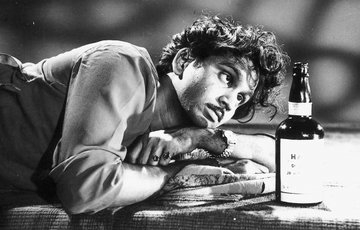
His filmography is a string of jewels: Devadasu: The pinnacle of romantic tragedy. Vipra Narayana: A masterpiece of devotional storytelling and music. Anarkali: A lavish historical romance that showcased his ability to handle “scale.” Suvarna Sundari: A folklore hit that demonstrated his grip on fantasy and mass appeal.
Legacy as an Architect of the Industry
Vedantham Raghavaiah provided the blueprint for the “Total Cinema” experience. He bridged the gap between the classical arts of ancient India and the modern medium of film. By maintaining high technical standards and a deep respect for Indian culture, he ensured that Telugu cinema was respected on a national level.
Conclusion
Vedantham Raghavaiah was more than a director; he was a “cultural custodian”. He taught the industry that a film should be a feast for the eyes, a balm for the ears, and a tug at the heartstrings. His films from the fifties and sixties remain textbooks for aspiring filmmakers, proving that while technology changes, the “Rhythm of Storytelling” he perfected is timeless.
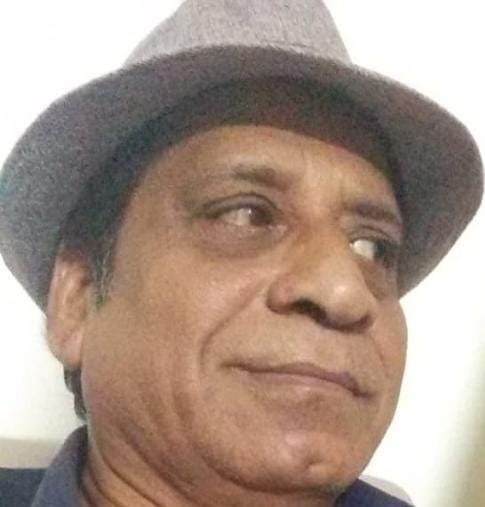
Principal Correspondent, Prime Post
Vidya Sagar Chaturvedula is a passionate film enthusiast whose four-decade career spans multiple sectors, including media and industry. Fluent in Telugu, Hindi, and English, he has a deep appreciation for cinema, particularly films in those three languages. His passion goes beyond simple viewing; he enjoys analyzing directional skill, the emotional depth of actors’ performances, and the profound meaning embedded in dialogue. Mr. Sagar is known for his ability to clearly articulate and narrate his insightful film analyses after watching a movie.
Email: sagar.chaturvedula@gmail.com
Mobile: 9030702917
Good. Nice explanation about the Gentleman. Keep it up 💯
Good review sir
Good review. Very well written.
Vedantam Raghavaiah is a highly dedicated and professional individual known for his strong work ethic and positive attitude. He communicates clearly, handles responsibilities efficiently, and consistently delivers quality results. His supportive nature and commitment to excellence make him a valued and respected person to work with. Good review.
He was way beyond normal mass appeal or appreciation.
The finesse was understood by peer choreographers, directors and actors. That gave the popularity.
Very few of that calibre in this world
Good Review
Vedhantam raghviah was distinguished in portaying female roles ad in his male roles as rama, krishna, harischandra.The role big or small did not matter when he is playing the character. Picture devdas, chiranjeevulu were super under his direction. A nice review.
It is excellent filled with good English and excellent emotional Journey.when he was a choreographer and directs the list of names of films missing except the mention of three movies.l conclude it is overall great review with good English.