- For the first time since 1977, the Indian Left finds itself without power in any state.
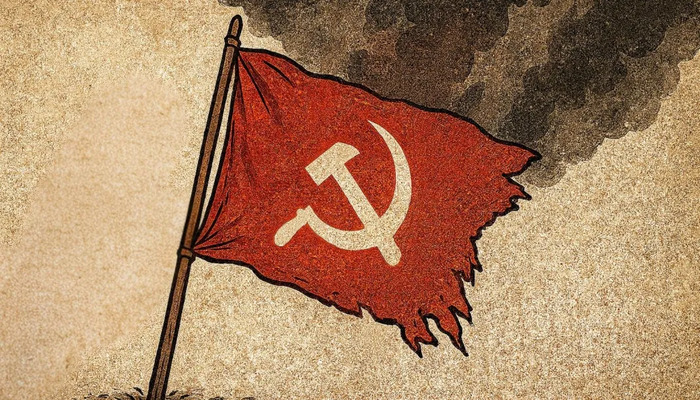
In a landmark shift, the Left Democratic Front’s (LDF) defeat in the 2026 Kerala Assembly elections has left India without a single Left-ruled state for the first time since 1977. Once dominant in West Bengal (34 years), Tripura (25 years), and Kerala, the CPI(M) and allies have seen their influence shrink dramatically.
The Collapse of Traditional Strongholds
The erosion of the Left’s base stems from multiple factors. In West Bengal, prolonged rule bred anti-incumbency, stagnation, deindustrialisation, and controversial land acquisitions (Singur-Nandigram), alienating rural and farmer support. The rise of Trinamool Congress fragmented the secular vote while the party struggled with organisational fatigue and failure to deliver jobs.
Tripura fell in 2018 as the BJP consolidated anti-Left forces, including tribals, through money, muscle, and welfare outreach. In Kerala, despite strong welfare credentials, a decade of incumbency, governance fatigue, and inability to fully counter bipolar competition with UDF (and BJP’s growing inroads) proved decisive.
Marginalization in Southern and Regional Politics
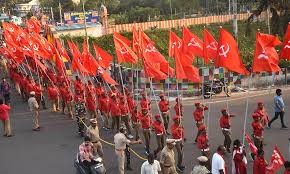
In Telangana and Andhra Pradesh, Left influence has been marginal for years, limited to pockets of local support amid the dominance of regional players like BRS, Congress, and YSRCP. Other Left-leaning areas followed similar patterns of voter shift toward welfare-oriented regionalism or majoritarian appeals.
The Decline of the Far-Left: The End of the Red Corridor
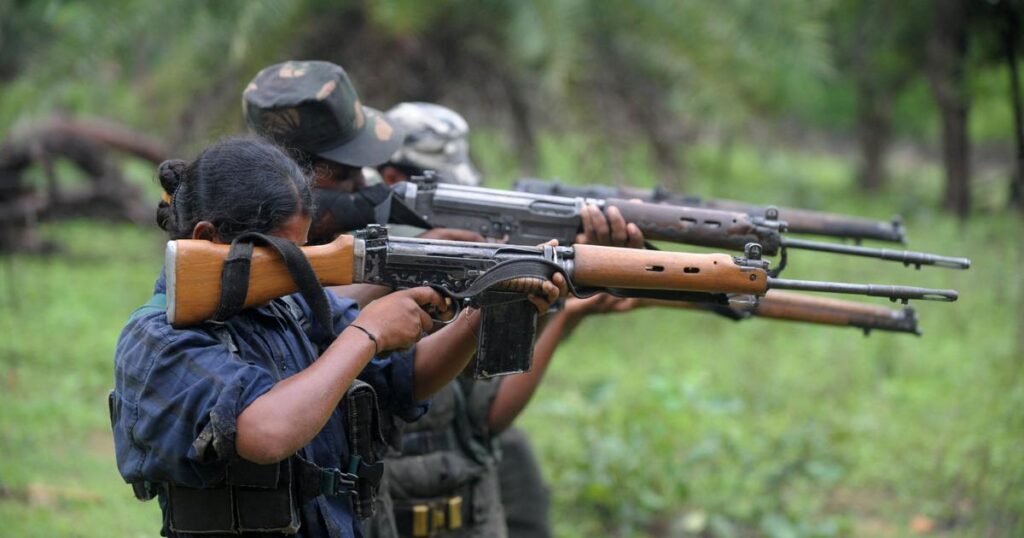
This parliamentary decline coincides with the near-total wipeout of Maoist (Naxalite) extremism. By early 2026, security operations dismantled the CPI(Maoist) leadership, leading to mass surrenders and a shrinking “Red Corridor.” While armed Left-wing extremism waned due to counter-insurgency and development, the democratic Left failed to offer a viable alternative.
A Future of Introspection or Obscurity
The Indian Left is heading toward ideological introspection and marginality as a national force, possibly surviving as a vocal opposition or junior ally in select states. Its fall weakens checks on neoliberal and majoritarian policies, potentially reducing focus on labour rights, land reforms, and secular welfare models. However, it may force renewal—addressing youth disconnect, globalisation realities, and cadre rejuvenation—or risk becoming a historical relic. For Indian democracy, the vacuum could intensify bipolar contests but diminish nuanced class-based discourse.
(D Chandrabhaskar Rao, the author, a distinguished four-decade career, established himself as a prominent journalist and author, leaving an indelible mark at premier publications including News Time, The Hindu, The Hans India, and Telangana Today. Rao became a definitive voice on the complex intersections of social justice and conservation. His reporting offered an exhaustive look at:Land Rights and Reform: Documenting the arduous process of land distribution to tribal communities and the systemic challenges of non-tribal land occupation. Chronicling the persistent efforts of revenue officials to navigate and resolve volatile land disputes. Providing deep insights into the region’s forests, wildlife, and broader environmental health.)

With a journalistic long journey, we bring you https://primepost.news, a dynamic platform committed to unraveling the intricate tapestry of Indian politics, particularly delving deep into the heart of Telangana and Andhra Pradesh. Our blog is not just a source of news; it’s a reservoir of insights, analysis, and thought-provoking reviews.