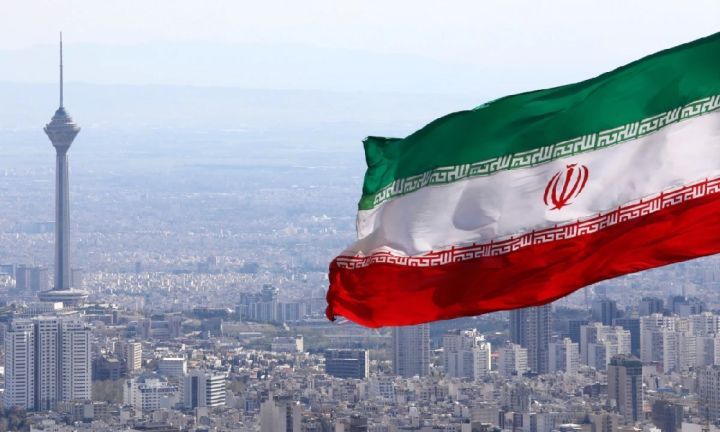
Leadership decapitation is often seen as decisive development but history has proved otherwise. The brutal assassination of the supreme leader of Iran Ayatollah Ali Khamenei by Israel and the US forces might prove counterproductive. Code named ‘Operation Epic Fury’ by the US and ‘Roaring Lion’ by Israel, the massive joint operation has been striking targets across Tehran, Ifsahan, Koom, Karaj and other Iranian cities. Iran has announced that about 555 Iranians were killed including about a hundred school kids in the war so far. The numbers put out by the US and Israel agencies are even bigger. Iran on its part has bombarded Bahrain, UAE and Qatar targeting the American military bases causing some losses to the US.
Retaliation and Regional Spread: The Conflict Beyond Tehran
Not only the supreme leader Ayotollah Khamenei, 86, but also his wife Mansoureh Khojasteh Bagherzadeh,62, who was injured in the bombing has succumbed to her injuries. Other leaders like defence minister Aziz Nasirzadeh, chief of staff of Iran’s armed forces Sayyid Abdolrahim Mousavi, military officers including Admiral Ali Shamkhani, secretary of Defence Council and Mohammad Pakpour, commander of the Islamic Revolutionary Guard Corps (IRGC) were killed in the first two days of operations.
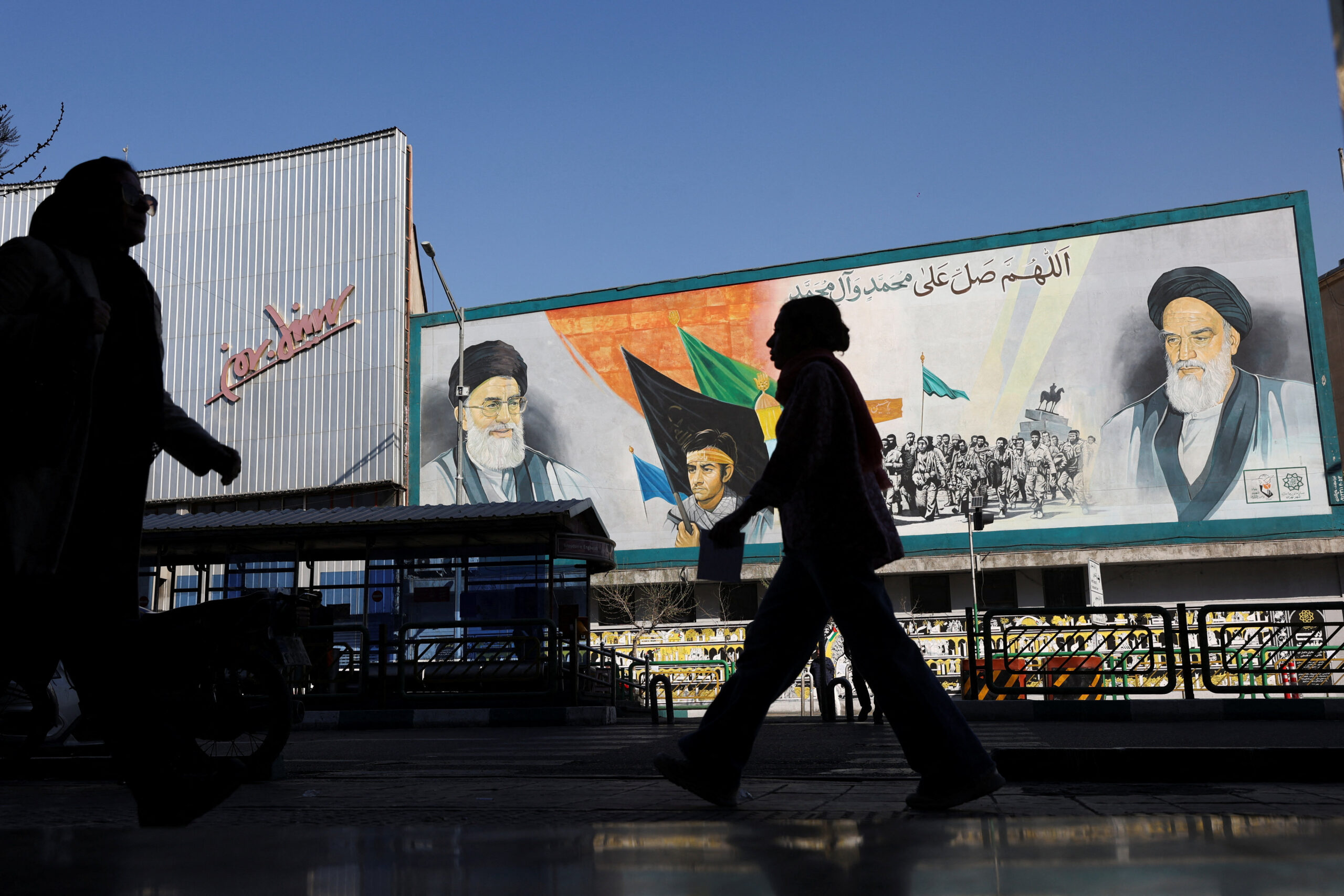
The intelligence inputs supplied by the CIA have helped the US forces to eliminate Ayatollah Khamenei, who was struggling to save the government from protests and economic difficulties. He was made a hero by killing him, uniting both majority Sunni and minority Shia factions of the Islamic faith across the world. The widespread protests throughout the world including Indian cities like Lucknow and New Delhi are a testimony to the following Khamenei enjoys in the Islamic world. The streets in Iran were crowded paying tributes to him despite the danger of getting killed in the US and Israel shelling.
The Unbreakable Guardians: Why the IRGC Endures
American President has called upon the people of Iran to rise and overthrow the Islamic regime and go for a regime change in Tehran. But it is said easy than done. IRGC are more powerful than the clergy and their government. The attack on Oman, where the talks between Iran and the US were held before the start of the hostilities, was not authorized by Iran government according to its foreign minister. The IRGC is the biggest revolutionary force in Iran calling all the shots in economy, law and order. The Corps control three major areas of the regime.
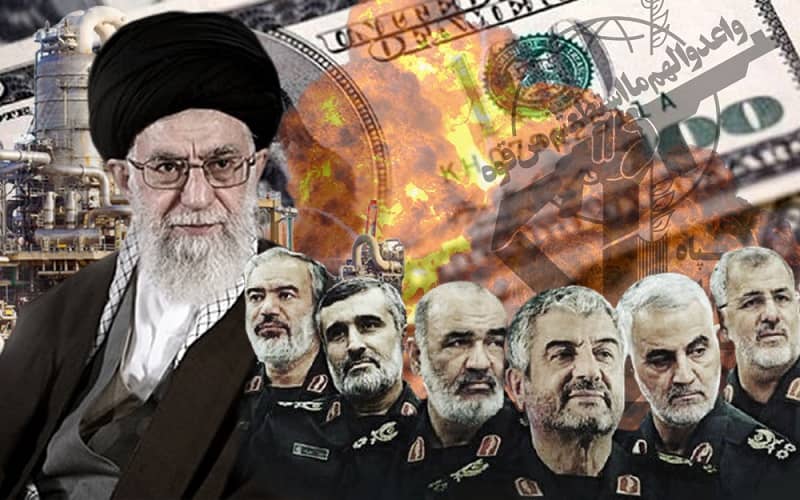
Firstly, economic sector where they have their say in all contracts and investments. Secondly, they have entrenched themselves in the internal politics of the regime. Lastly, their military capability is so extensive that to challenge them would be stupidity on the part of the clerics. During the January 8-9, 2026, crackdown, the IRGC had massacred hundreds of protestors. They have been putting down rebels with iron hand. All the latest armaments in all departments of defence are with the guards. Even the foreign policy is dictated by the IRGC which was established in 1979. The IRGC members were charged with responsibility to protect the gains of Islamic revolution which dethroned the corrupt kingdom headed by Shah, the father of Reza Pehlavi, the present prince who is in exile and ready to take over if things go his way. The Corps have been playing a dominant role ever since the revolutionary regime started. They have a decisive say in the selection of the President of the Republic and the Speaker of the Parliament.
Lessons from the Past: The Failure of Previous Regime Changes
Regime change in Iran is not as easy as Venezuela whose president was kidnapped by Trump’s men and produced in American courts. Ayatollah Khamenei had succeeded his predecessor Ruhollah Khomenei, the first revolutionary leader who died in 1989. Somebody will succeed this Khamenei as well. And the successor will be as committed as the earlier leader in implementing the Islamic revolutionary agenda. They are the true decision makers. Presently, an interim council headed by Ayatollah Alireza Arafi has been named to manage the transition. A bloodless regime change in Iran under the present circumstances is almost impossible. The US intervention in Afghanistan, Iraq and Libya were disastrous. While the Taliban had returned to Afghanistan, Iraq and Libya are worse than what they were. This experience will not convince anyone of the US capacity to get the regime change done in Iran.
Between Two Fires: India’s Diplomatic Tightrope
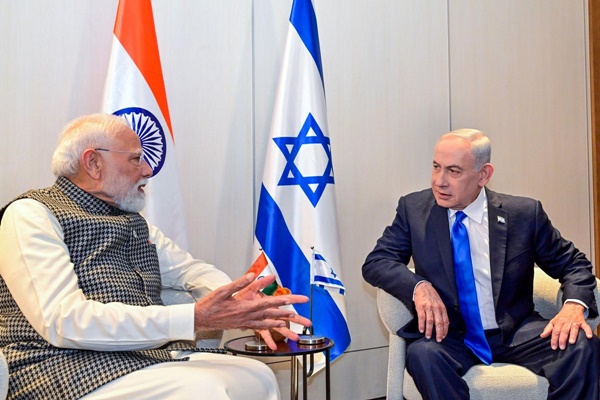
Indian Prime Minister Narendra Modi was a guest of Israel Prime Minister Benjamin Netanyahu till the other day. Netanahu has told the Indian media on Monday that he spoke to his great friend Narendra Modi and thanked him for standing by Israel. India has good relations with all the countries in the region. People of Indian origin are there everywhere the conflict is going on. About ten million people are there in UAE and other Arab countries where the war is going on. Dubai and Qatar have been important destinations for Indians travelling to the US.
Flights to these countries have been cancelled. There may be a spike in oil prices. One has to wait and see what kind of changes would take place in Iran. Will the IRGC have its way and continue to remain powerful in the new regime? Will the protests get revived and bloodbath will continue? Will democracy ever have a chance in the rough and tumble of the far reaching events. As the regime headed by the Shah was overthrown in 1979, will the revolutionary government go giving place to an alternative regime? Will the people of Iran opt for Shah’s dynasty? All these questions need to be answered. Will Trump and Netanyahu have the patience to let things take their own course? As Gaza and Ukraine have been burning for years will Iran also be in flames for some time?
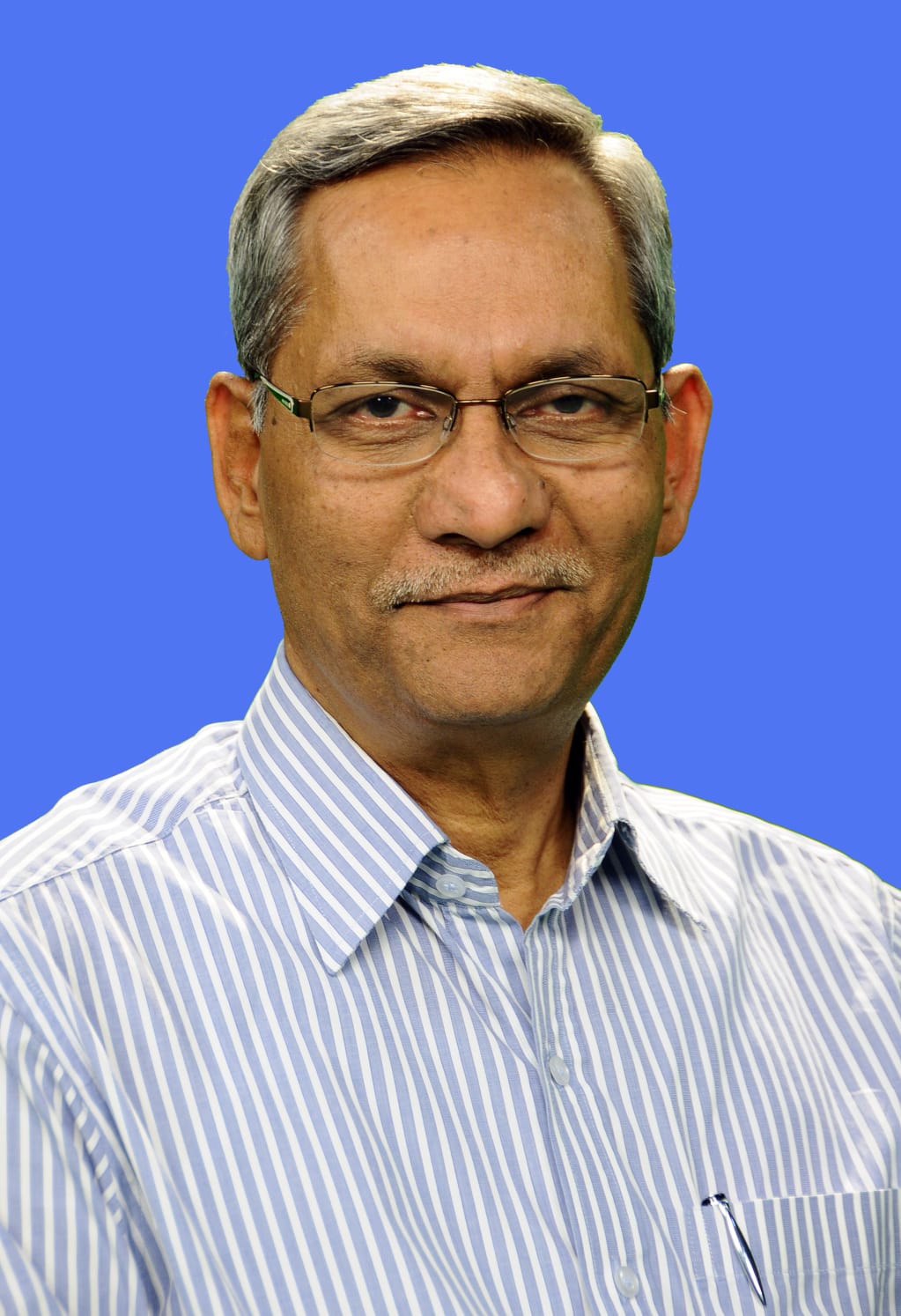
Prominent Journalist
Dr. K. Ramachandra Murthy is a versatile journalist with a distinguished career. Dr. Murthy began his extensive career with Andhra Prabha of The Indian Express group in Bengaluru. He was editor of Udayam, Vaartha and Andhra Jyothy. Dr. Murthy founded and edited HMTV news channel and The Hans India, an English newspaper. He was also editorial director of the Telugu newspaper, Saakshi. He was awarded Ph. D for his research work in rural reporting. Dr. Murthy’s five decades in journalism showcases his influential roles across both print and electronic media. He wrote the political biography of NTR published by Harper Collins.
Email: murthykondubhatla@gmail.com
Mobile: 9908002211

Trump is asking Iran not to be religious country. But it will never happen as they wanted to be religious country only. It’s not today. This is what they are. We see in all muslim counties religious minded. It’s ok if they are religious minded. But they insist other community people to adapt their religious methods. Here it’s a problem. And they provoke in this regard. This can’t be tolerated with other sect of people. So these riots will take place. It’s a common practice for them. But taking advantage by the President Trump is not correct. It’s high handed behavior.