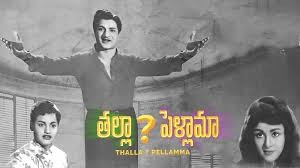
- The Harmonious Balance: Man as the Bridge Between Generations
- The Modern Challenge: The Wife’s Journey Toward Integration
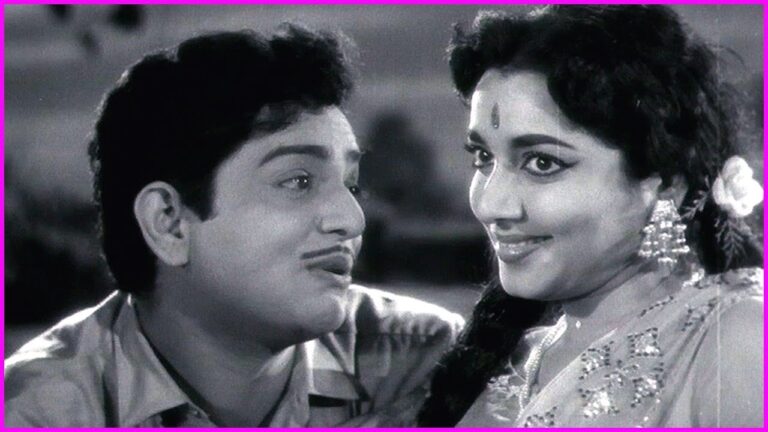
In the landscape of Indian cinema, few films tackle the delicate equilibrium of familial roles as poignantly as the 1970 classic Talla? Pellama? (Mother or Wife?). Directed and written by the legendary N.T. Rama Rao, the film serves as a profound social commentary on the dual pillars of a man’s life: the mother who provides his foundation and the wife who shares his future. Rather than presenting them as competing forces, the narrative explores the necessity of both, suggesting that a man’s fulfillment is incomplete if either relationship is sacrificed.
The Sacred Foundation: The Mother’s Role as Moral Compass
The film establishes the mother, Ramanamma, as the spiritual and ethical anchor of the family. Through her character, N.T. Rama Rao explores the concept of selfless sacrifice, depicting the mother not just as a parent, but as the architect of a man’s character. By contrasting the virtuous Sudhakar with his money-minded brother Prabhakar, the narrative argues that a man’s success and integrity are direct reflections of the values instilled by his mother. Her role is portrayed as the “root” of the family tree—unseen and humble, yet entirely responsible for the strength of the branches.
Good Traditional Values
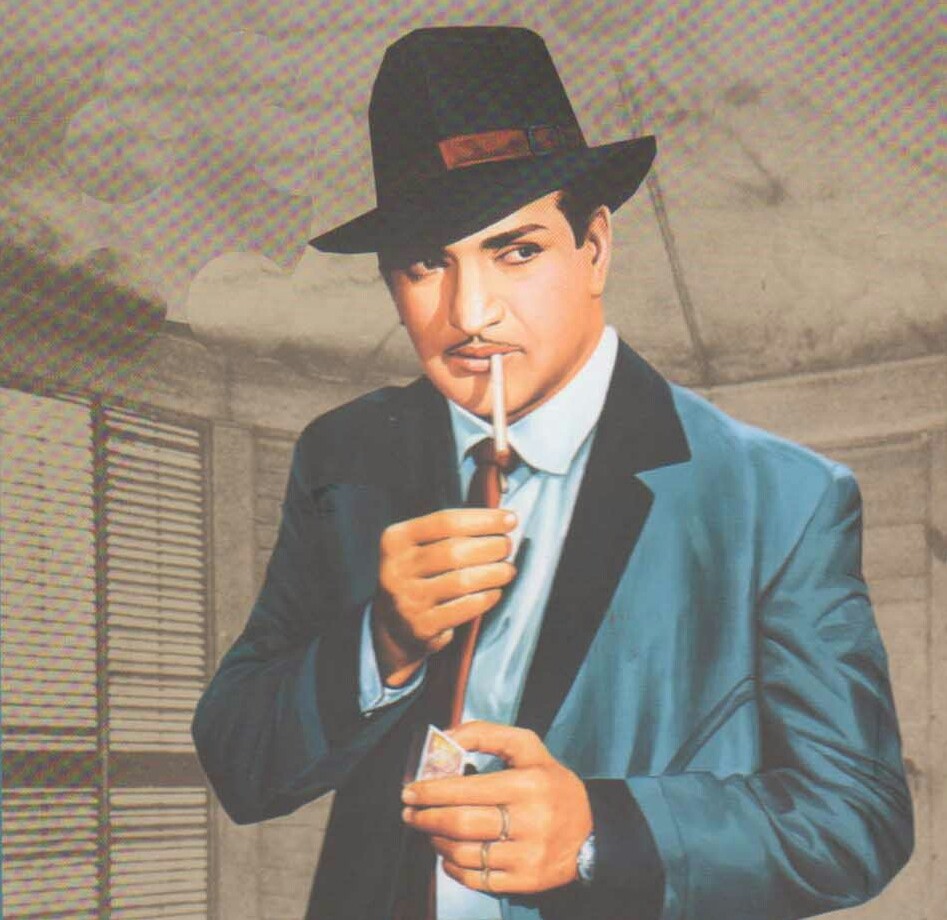
The film introduces us to Sudhakar (NTR), a man deeply rooted in traditional values and immense gratitude toward his mother, Ramanamma. Through the portrayal of Ramanamma, the film emphasizes the sacrificial nature of motherhood. She is depicted as the silent architect of Sudhakar’s character, providing the moral compass that guides him through life’s complexities. By contrasting Sudhakar with his brother Prabhakar—who abandons family responsibilities in a greedy pursuit of wealth—the film illustrates that a mother’s love is the ultimate grounding force. For Sudhakar, his mother is not just a relative; she is a symbol of his heritage and his conscience.
Modern Challenge
However, the narrative tension shifts significantly upon Sudhakar’s marriage to Padma (Chandrakala). Padma represents the “modern” challenge to traditional hierarchy. Coming from a wealthy background, her struggle to adapt to a simpler life isn’t just about finances; it is about her desire for exclusive emotional space with her husband. The film brilliantly portrays the validity of a wife’s perspective while simultaneously highlighting her initial lack of empathy. A wife is meant to be a partner and a companion, but the film argues that this companionship should not come at the cost of one’s roots. Padma’s attempts to distance Sudhakar from his mother create an emotional “tug-of-war” that many men face, making the film’s conflict universally relatable.
Good Storyline
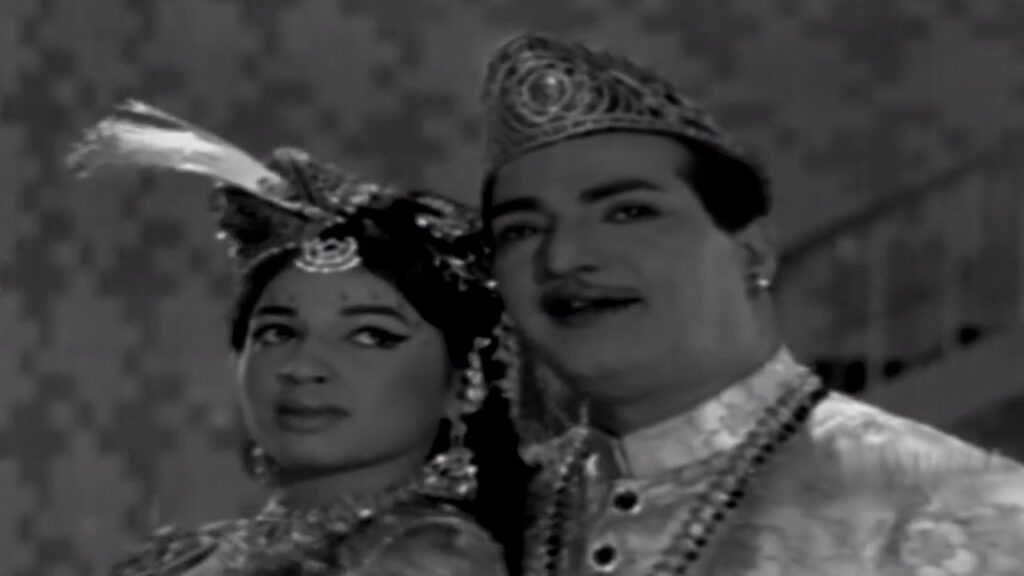
The brilliance of NTR’s story telling lies in how he handles the resolution. Sudhakar does not simply choose his mother and cast aside his wife; instead, he takes a path of emotional education. He endures financial and emotional strain to help Padma realize that a mother’s love is the very thing that made him the virtuous man she fell in love with. The film suggests that while a mother gives a man his past, a wife builds his future. Therefore, a man’s duty is to protect the dignity of his mother while nurturing the growth of his wife.
Two Halves of a Whole Life
Ultimately, Talla? Pellama? concludes that these two roles are not mutually exclusive but are the two halves of a whole life. The title asks a question, but the story provides a holistic answer: a man is a bridge between generations. By the climax, the reconciliation and realization highlight that a household only finds peace when the wife respects the mother’s legacy and the mother welcomes the wife’s influence. Supported by the iconic music of T.V. Raju, the film remains a timeless reminder that respect for one’s origins is the only way to build a stable and happy home.
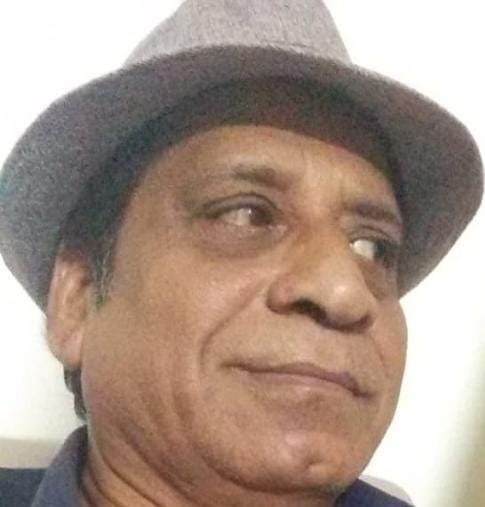
Principal Correspondent, Prime Post
Vidya Sagar Chaturvedula is a passionate film enthusiast whose four-decade career spans multiple sectors, including media and industry. Fluent in Telugu, Hindi, and English, he has a deep appreciation for cinema, particularly films in those three languages. His passion goes beyond simple viewing; he enjoys analyzing directional skill, the emotional depth of actors’ performances, and the profound meaning embedded in dialogue. Mr. Sagar is known for his ability to clearly articulate and narrate his insightful film analyses after watching a movie.
Email: sagar.chaturvedula@gmail.com
Mobile: 9030702917




Superb
Very good story narration. I think I haven’t watched this film. I want to watch it.
Nice, good review
Direction, Story, Production and Starring by N.T.R.
All in one performance
Nicely described the characters. It’s a good movie and message oriented. Thankyou. Keep going on!.
Nice review
Good Review.
Nice Review
Superb review
Good Story
Very nice review uncle.. you have written it very nicely.. tough question to any generation.. what do you say if the same question is asked to you 😉 🙂
Very well narrated. I have not seen this movie. Reading your review, the movie looks interesting, i will watch it.
Superb review
Going by opposite gender at choosing a husband a girl looks for her father’s image in the partner. So much so that the father gets priority over husband at times.
The priority question remains.
The trust one builds in marriage is the salvation.
No amount of assurance can help
Nicely ritten review and well said.
Nice👍
Nice review
Nice review.I haven’t seen the movie.But will watch now
I want to learn from the elders like you, may be then I will finally get some sense😀😀