- A Study of Two-Wheeler Safety
- Most of two-wheelers ‘At-Fault’ vehicles
- How Riders Can Reduce Collision Risks-Alarm to Action
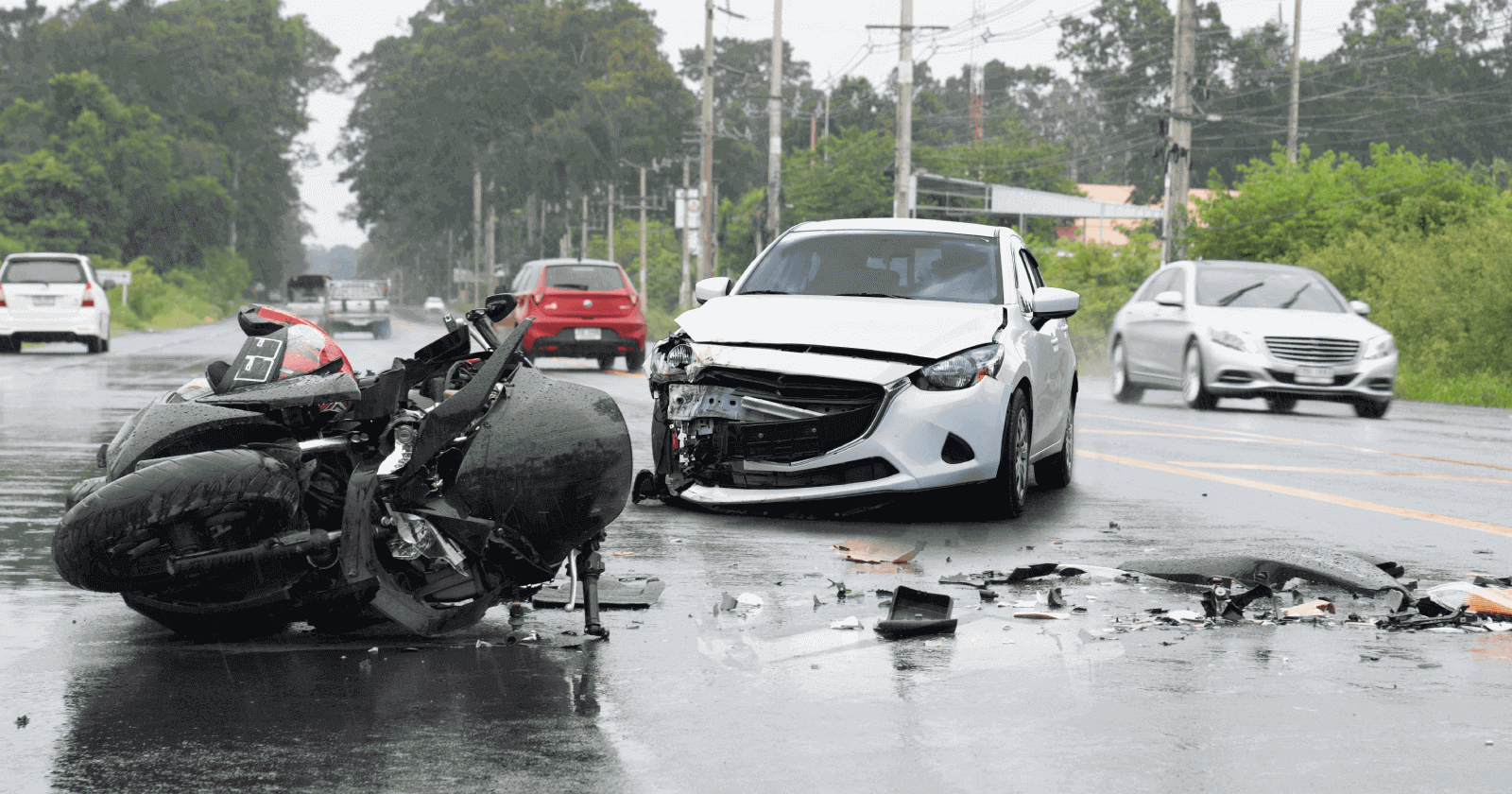
The rising death toll from two-wheeler collisions in Telangana and Andhra Pradesh has become a critical public health and safety concern. While highways are often blamed for major accidents involving heavy vehicles, statistics reveal a startling reality of two-wheeler against two-wheeler collisions and solo skids are among the leading causes of fatalities in these regions.
The share of two-wheeler accidents is highest with 45 per cent against 22 per cent with cars and LMV and 18 per cent of heavy vehicles. The reasons are attributed to over-speeding, wrong side driving, distraction, fatigue, lack of maintenance and overloading. The two-wheeler accidents vulnerability considered as extreme when compared other vehicle accidents. The injuries in many two-wheeler accidents are being taken place to the head part. In both Telangana and Andhra Pradesh, two-wheelers are the most vulnerable and the most “at-fault” vehicles.
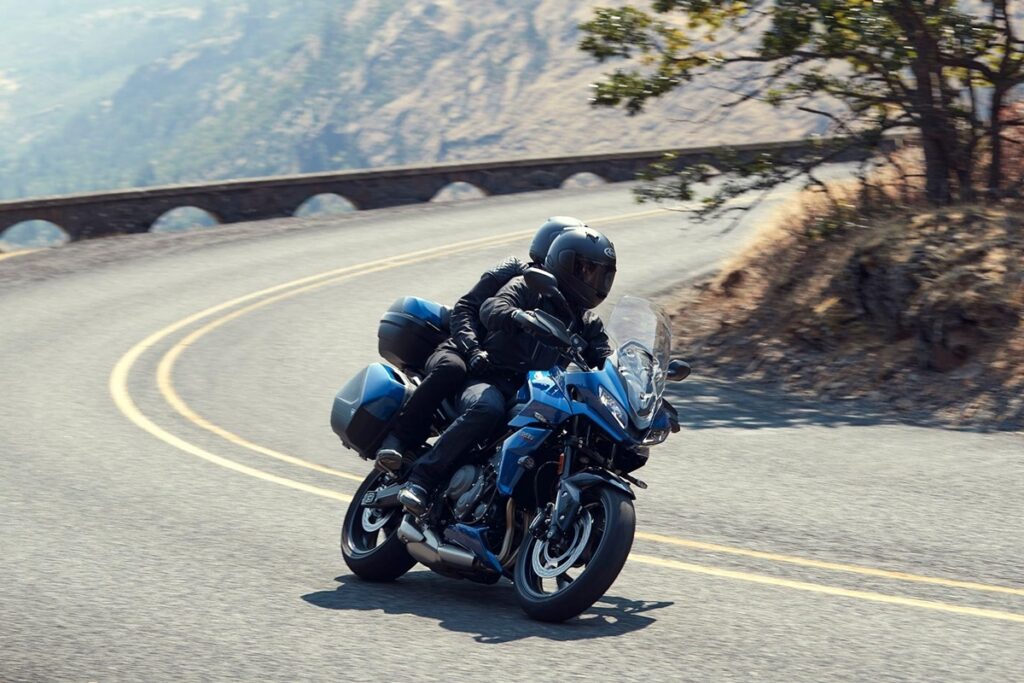
Two-wheeler riders be cautious while driving
Recent data from the AP Transport Department indicates that despite a slight decline in the total number of accidents, the fatality rate remains high. In 2024 alone, over 3,000 people were killed by October, with two-wheelers involved in nearly 20% of fatal crashes. In 2023, Telangana recorded over 8,000 accidents on National Highways alone. Nationally, two-wheeler riders account for roughly 45% of all road accident deaths, a figure mirrored in Telangana’s urban centers like Hyderabad.
Are these accidents more frequent than others?
Yes. Nationally, two-wheeler-to-two-wheeler accidents resulted in over 27,000 fatalities in 2023, significantly higher than collisions involving cars (approx. 17,000). Why are two-wheelers Colliding? The “surprise” of two-wheelers colliding with each other often stems from the assumption that smaller vehicles should be easier to maneuver. However, several regional and behavioral factors contribute to these accidents.
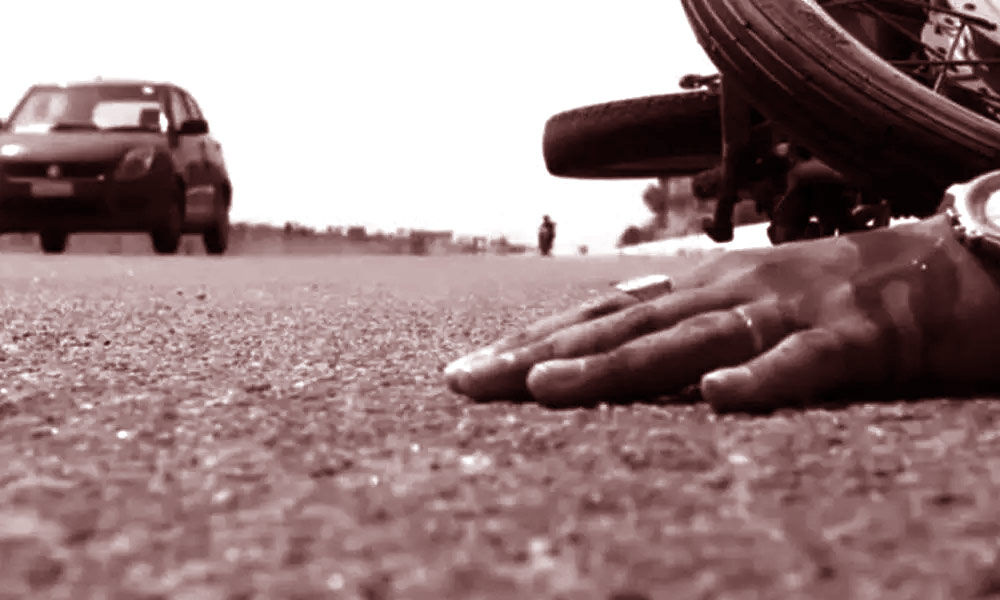
The “Wrong-Side” Epidemic
In many parts of Andhra Pradesh and Telangana, riders frequently drive on the wrong side of the road to avoid taking a long U-turn. This is the primary cause of head-on collisions between two bikes. The High Density and “Zig-Zag” Maneuvering is a big problem in the country. Two-wheelers account for over 70-75% of the total vehicle population in these states. Due to their small size, riders often engage in “filtering” or zig-zagging through traffic. When two riders attempt the same gap from opposite directions or different angles, a high-speed collision is inevitable.
Misjudged Overtaking on Single-Lane Roads
Many district roads and state highways in these states are narrow. Riders often misjudge the speed of an oncoming bike while trying to overtake a slower vehicle (like an auto-rickshaw or a tractor), leading to a direct collision. In a two-wheeler collision, the rider is often thrown sideways. Medical studies in Hyderabad show that most fatalities are due to head injuries (specifically side-impact trauma) because riders either don’t wear helmets or use low-quality “half-helmets” that do not protect the temples.

The Way Forward: How to Stay Safe
The government of both states has intensified the use of AI-based cameras and drone surveillance to catch traffic violators. However, personal safety remains the most effective tool. The two-wheel riders should follow strict lane discipline to avoid the temptation to take “short-cuts” on the wrong side. Ensure the helmet is ISI-certified and covers the entire head, including the jaw like full-face helmets. The riders should follow defensive Riding assume other riders might make a mistake and maintain a safe following distance.
Editor, Prime Post
Ravindra Seshu Amaravadi, is a senior journalist with 38 years of experience in Telugu, English news papers and electronic media. He worked in Udayam as a sub-editor and reporter. Later, he was associated with Andhra Pradesh Times, Gemini news, Deccan Chronicle, HMTV and The Hans India. Earlier, he was involved in the research work of All India Kisan Sabha on suicides of cotton farmers. In Deccan Chronicle, he exposed the problems of subabul and chilli farmers and malpractices that took place in various government departments.