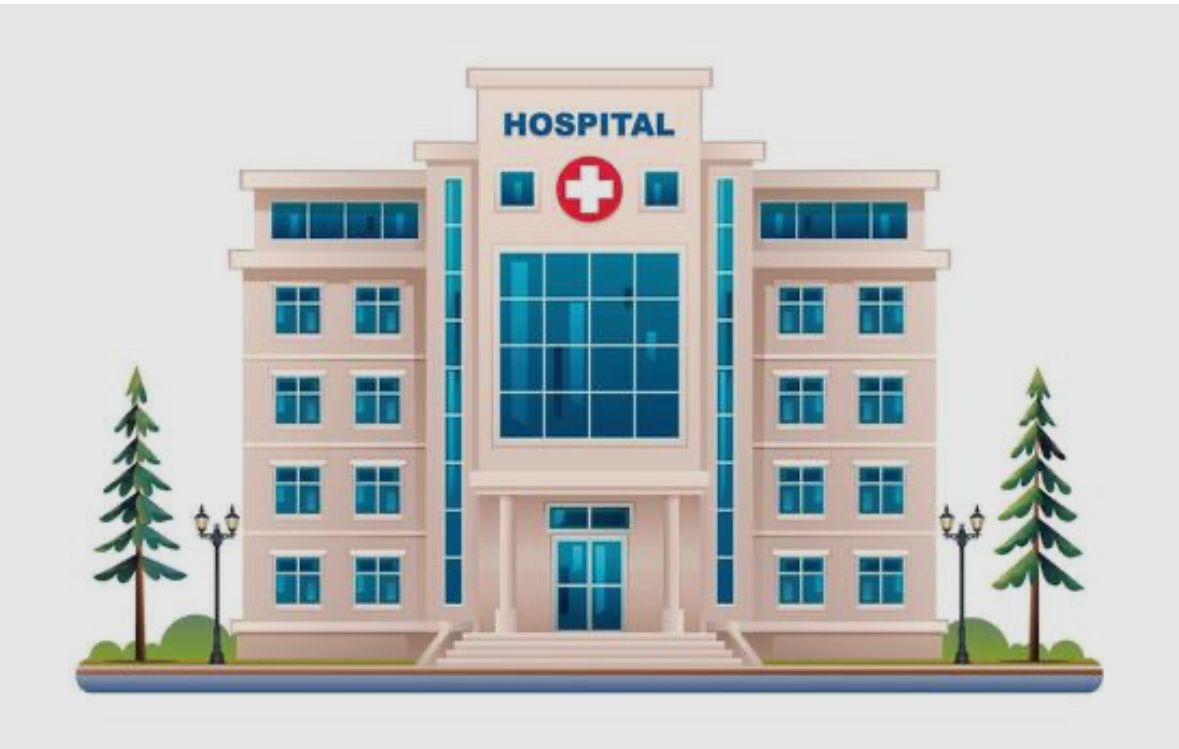
Hospitals were once symbols of hope places where compassion mattered as much as competence. Today, for many patients in India, corporate hospitals have transformed into something else entirely: high-pressure billing machines wrapped in medical jargon and fear.
This is not an attack on doctors
This is a question directed at corporate hospital systems
The Business of Fear

Illness is the most vulnerable moment in a person’s life. Decisions are made under panic, not clarity. Corporate hospitals understand this psychology perfectly.
- A patient enters with one problem
- Multiple tests are immediately ordered
- Every consultation opens the door to another procedure
- Costs rise without explanation or transparency
By the time the family realises what’s happening, the bill has crossed a level where questioning feels pointless or dangerous.
Here Fear becomes a revenue model
Lack of Transparency
- Most corporate hospitals do not explain
- Whether a cheaper alternative exists
- If the procedure is optional or urgent
- Why costs vary wildly for the same treatment across hospitals
- Billing is often presented after the service not before.
- Estimates are vague. Final bills are shocking.
Patients once join are locked in and are being exploited.
Targets, Not Treatment

Behind the polished lobbies and international accreditation boards lies a harsh truth-Doctors are often under pressure to meet revenue targets.
- This creates a silent conflict-Medical judgment vs business expectation
- Patient welfare vs hospital profitability.
Many doctors are uncomfortable, but systems overpower individuals. When treatment plans are influenced by bed occupancy rates, insurance ceilings etc, compassion quietly exits the room.
Insurance: The Silent Enabler
Ironically, health insurance meant to protect patients has become a trigger for inflated billing.
- Once hospitals know, “Insurance will pay”
- Suddenly-Room upgrades become “medically necessary”
- Procedures multiply–Length of stay increases-The patient doesn’t feel the pain immediately.
- But family does through rising premiums and inaccessible healthcare.
Where Is the Accountability?
Unlike other industries,
- There is no standardised price disclosure
- No mandatory treatment justification–No real-time billing visibility.
- No strong patient grievance redressal.
Healthcare is regulated on paper, but unregulated in practice.
What Patients Are Asking For:

Patients are not asking for free treatment.
- They are asking for fair treatment.
Clear estimates before procedures - Item-wise explanation in simple language– Ethical treatment protocols
- A separation between medical decisions and billing targets- Empathy, not indifference.
A Question We Must Ask

- Why hospitals seeing patients as invoices?
- Why Healthcare cannot be run purely like other industries?
- Why the trust of patients is getting encashed?
- Why the Health Insurance has become a revenue model?
Conclusion:
India does not lack medical talent, but lacks ethical healthcare governance. If corporate hospitals continue to prioritise margins over morality, we end up creating a system where survival depends not on illness but on affordability. A hospital shouldn’t forget compassion, as it is not a corporation to sell Hope at a Premium.

Business Correspondent
Ananth Peravally is a Sales & Marketing professional with over 30 years of experience in the FMCG sector. He has worked across leading Indian and multinational organizations, including Parle, Kellogg’s, Godfrey Phillips, GEF, and Bunge. He has been instrumental in the launch, growth, and turnaround of key brands, notably Kellogg’s Chocos, GPI’s Four Square Cigarettes, GEF’s Freedom Rice Bran Oil, Bunge’s Fiona Sunflower Oil in different states of South & West India. He holds a Bachelor of Arts degree and PGDMM. Expert in brand building, go-to-market strategy, and sales execution in competitive consumer markets.






The article does a good job of highlighting patient concerns around billing and the erosion of trust in healthcare. The author deserves credit for placing healing and empathy at the center of the discussion. While these issues are also driven by broader structural factors, government agencies can play a key role through clearer regulations, billing transparency, and incentives for outcome-focused care: helping balance patient welfare with system sustainability..
Thanks KS, this is the plight of those who have encountered this phase in their lives.
Very pertinent and relevant issue. However should we expect morals in a world driven by commercial considerations is the larger point. Thanks to Ananth to make readers think of these larger issues
True Sir, it’s tough to be normal & easy to become commercial.
That’s a good food for thought. Do agree that hospitals need to show transparency and not treat exploit us.
Thanks Ajinkya Bhai
Best wishes Ananth for highlighting the “Medical Capitalism” scenario.
Wish we live to see when education & healthcare becomes totally free, so that we can truly & proudly claim to be a developed nation.
Yes, Govt should cut all freebies and continue with these two Free Health Care & Education. And Govt institutions
Good one and deep analysis and given the reality. It is the time think about it. During the difficult situation we are not in a position to to think those lines
Thanks Bhai
It has become tough time in getting treatment from private hospitals. Not everybody can afford to take treatment from private hospitals. Because they are squeezing money from the patients. And insurance is there they bill double the amounts as per the understanding with the hospital management. Private hospitals are extracting money and not having service motto. A worthy item.
Govt should implement strict regulations
There were statements recently on rate standardization across all hospitals in the country and patient availing complete cashless treatment facility .
Similar to Government school and private school fee structure. Course work and examination standard being same.
It has to be made mandatory