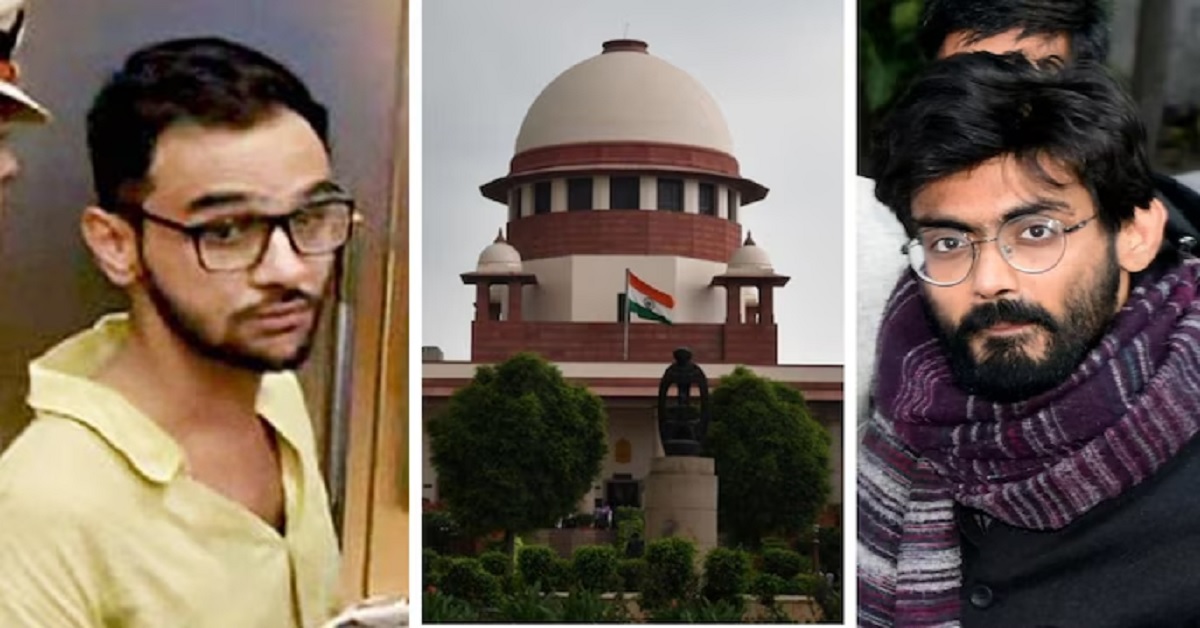
Supreme Court said “It cannot treat all individuals equally” while denying bail to JNU student leaders Umar Khalid and Sharjeel Imam on Monday. They have been in jail in 2020 Delhi riots conspiracy case for more than five years. The SC granted bail to five others who have been accused in the same case. They are: Gulfisha Fatima, Meeran Haider, Shifa Ur Rahman, Mohd Saleem Khan and Shadab Ahmed. They were granted bail stipulating some conditions.
“The record discloses that all the appellants do not stand on equal footing as regards culpability. The hierarchy of application requires the court to assess each application individually. Article 21 requires that state to justify prolonged pre-trial custody,” the Supreme Court averred. The benefit of delay in trial cannot be given to the two individuals, the top court commented.
There has been public uproar at keeping Umar Khalid in jail even after five years of imprisonment without trial being initiated. Both Umar Khalid and Sharjeel Imam with five others appealed to the SC challenging the Delhi High Court order denying them the bail. They were jailed under the stringent Unlawful Activities (Prevention) Act (UAPA) linked to the so called larger conspiracy behind 2020 Delhi riots. There were widespread protests in February 2020 against the Citizenship (Amendment) Act (CAA) and National Register of Citizens (NRC). As part of the protests a communal clash took place on February 24 and continued for several days during which more than 50 people were killed and about 700 injured. Most of the victims were Muslims.
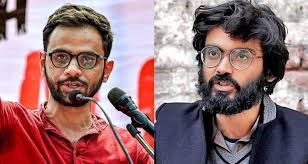
However, Muslim youth were prominent among those who were arrested for their alleged involvement in the larger conspiracy to incite riots. In all twenty people including Umar Khalid, Sharjeel Imam and Tahir Hussain, a former Aam Admi Party councilor, were charged of conspiracy and booked under UAPA.
They are on different footing
While seven persons had challenged the decision of Delhi High Court on 2 September 2025 to deny bail to them, five of them were considered as eligible for bail by the Supreme Court. A bench led by Justice Aravind Kumar read out the lengthy judgment before pronouncing its verdict. The bench said it was satisfied with the presentation made by the prosecution to indicate the involvement of the two youngsters in criminal conspiracy. The judges agreed with the description of the police that the riots were not spontaneous but orchestrated, pre-planned and well-designed attack on India’s sovereignty.
Umar Khalid was not in Delhi when the riots took place and Sharjeel Imam was in Delhi jail. Khalid, a former Jawaharlal Nehru University (JNU) student was granted interim bail from December 16 to 29 last year to attend his sister’s wedding. Sharjeel imam had expressed anguish before the SC over being ‘labelled’ as a ‘dangerous intellectual terrorist’ without a full-fledged trial or a single conviction.
In the meanwhile a group of American lawmakers has written a letter to Indian Ambassador to the US Vinay Kwatra urging a “fair and timely” trial for Umar Khalid in accordance with international law. New York Governor Zohran Mamdni, an Indian Muslim, referred to Umar Khalid during his inaugural speech on 1 January 2026. He sent a letter to Khalid’s partner Banojyotsna Lahiri saying, “Dear Umar, I think of yours words on bitterness often, and the importance of not letting it consume one’s self. It was a pleasure to meet your parents. We are all thinking of you.”
Gurmeet Singh gets frequent parole
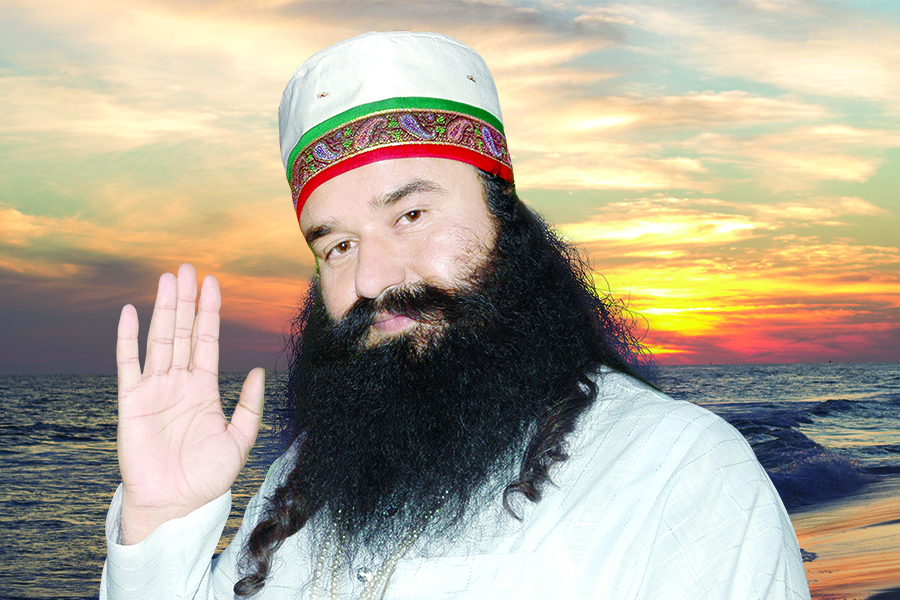
In contrast to the fate of Umar Khalid and Sharjeel Imam, Dera Sacha Sauda chief Gurmeet Ram Rahim Singh, a fake sadhu, currently serving a 20-year jail term for raping two of his disciples has once again come out of jail on a 40 day parole. Singh came out of Rohtak’s Sunaria prison on a 40-day parole on 5 August 2025 to celebrate his birthday on August 15 and went back to prison in September. This will be the 15th time Singh has moved out of the prison since his conviction in the rape case in August 2017. Two different yardsticks of justice for crime and alleged crime while the former is treated lightly.
Justice Aravind Kumar has said each application of the appellants had to be studied separately as all of them do not stand on the same basis. Umar Khalid and Sharjeel Imam stand on a different footing as compared to the five who were granted bail. Any act that endangered to unity, integrity or economic security of the country had to be taken into cognizance, the judge said. The acts of Umar Khalid and Sharjeel Imam come under deliberate attempt to destabilize the state and they cannot be considered as spontaneous protests, according to the Delhi police. The conspiracy was allegedly planned to synchronize with the visit of US President Donald Trump during his first term. They (the accused) attempted to change the regime and strangulate the country economically, the police alleged. Their aim was to draw the attention of the media to make the developments known to the world.
Preposterous charges
The charges made by the police are preposterous. Even late Prof. Saibaba who was 90 per cent physically disabled was supposed by the police to have attempted to dethrone the prime minister and subvert the rule. But the judges in the SC bench, Aravind Kumar and NV Anjaria, chose to believe the arguments of the police against Umar Khalid and Sharjeel Imam and deny them the bail. Covid was in rampage when Imam surrendered to the police in January 2000 itself, even before the riots took place, and Umar Khalid was arrested in September of 2020. The police had told Delhi High Court in November 2025 that they had registered 757 FIRs in connection with the riots and investigation was pending in 273 cases and trial has to begin in 250 cases.
Prominent Journalist
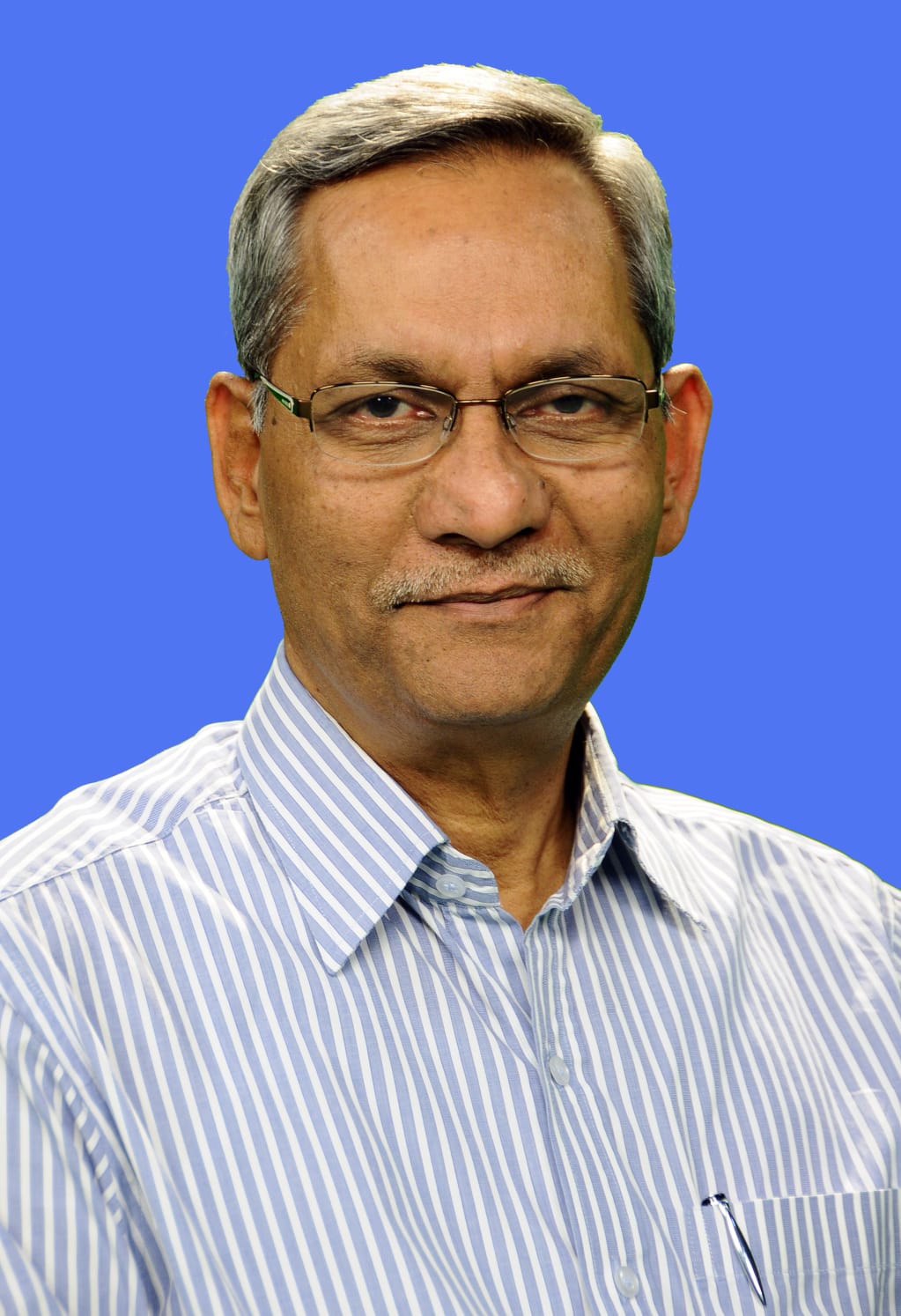
Dr. K. Ramachandra Murthy is a versatile journalist with a distinguished career. Dr. Murthy began his extensive career with Andhra Prabha of The Indian Express group in Bengaluru. He was editor of Udayam, Vaartha and Andhra Jyothy. Dr. Murthy founded and edited HMTV news channel and The Hans India, an English newspaper. He was also editorial director of the Telugu newspaper, Saakshi. He was awarded Ph. D for his research work in rural reporting. Dr. Murthy’s five decades in journalism showcases his influential roles across both print and electronic media. He wrote the political biography of NTR published by Harper Collins.