Damage control exercise by Revanth
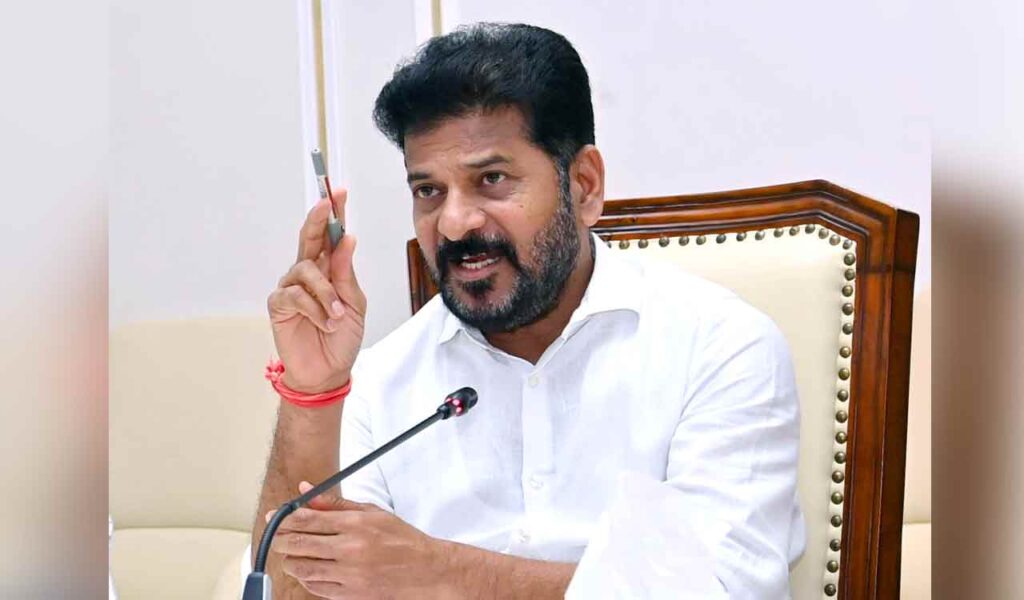
The recent crisis in Velugumatla, where several families were left homeless after their houses were razed by the police and district administration, has finally reached a positive conclusion. While the incident began with heartbreak and displacement, it ended with a significant victory for the victims, thanks to the direct intervention of Chief Minister A. Revanth Reddy.
A Failure of Leadership and Administration
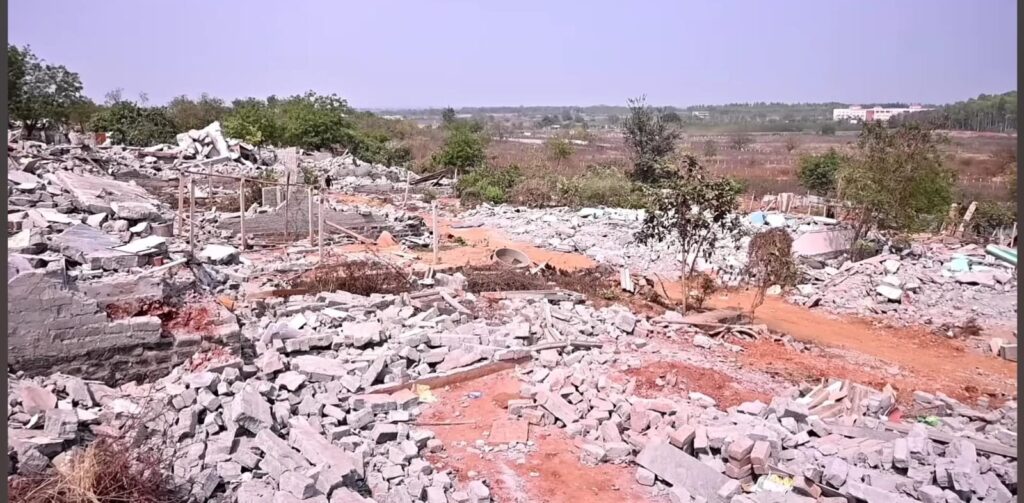
The demolition, which took place twelve days ago, highlights a troubling gap between political orders and administrative responsibility. Local ministers reportedly issued the demolition orders without fully studying the situation or considering the human cost. By failing to look at the issue in its entirety, they overlooked the basic humanitarian needs of the residents.
Furthermore, the district officials found themselves in a difficult position. Rather than explaining the potential fallout or the plight of the victims to their superiors, they followed orders blindly. This episode serves as a stern reminder to the administration: following political directives without analyzing their social ramifications can lead to disastrous consequences.
The Power of Public Pressure

Surprisingly, while mainstream media largely ignored the struggle of the Velugumatla victims, the story gained massive traction elsewhere. Social media users and a few national news channels highlighted the suffering of the families living on the streets.
This digital outcry forced political leaders into action:
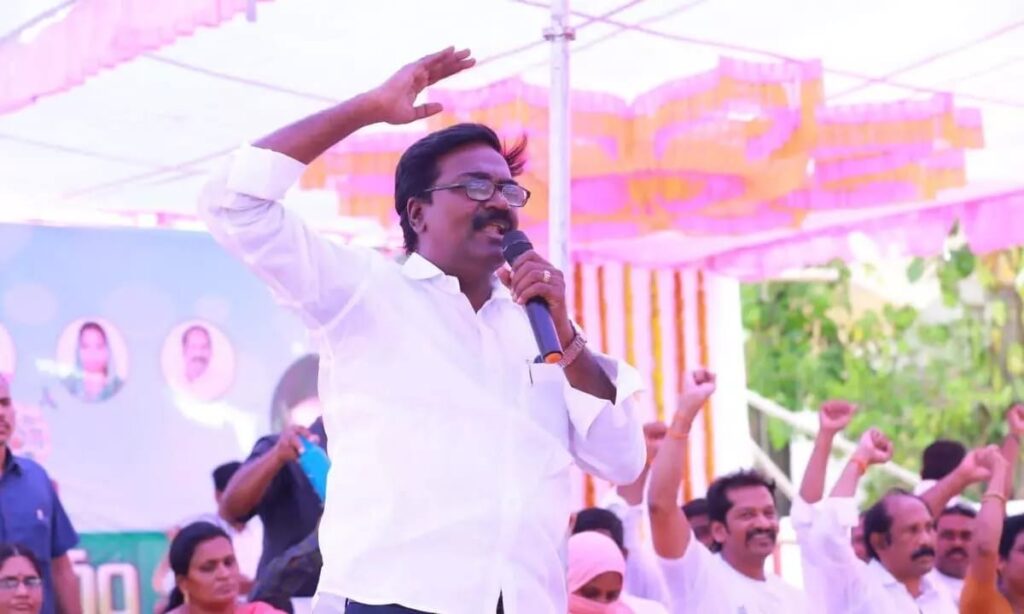
BRS Intervention: Former minister Puvvada Ajay Kumar and BRS activists were among the first to provide food and relief and medical camps. High-profile figures, including BRS Working President K.T. Rama Rao, BJP MP E. Rajender, and Telangana Jagruthi President K. Kavitha, visited the victims to offer support. Even after being briefly taken into custody by the police, K. Kavitha returned to the relief camps to stand with the families.

The Chief Minister’s Damage Control
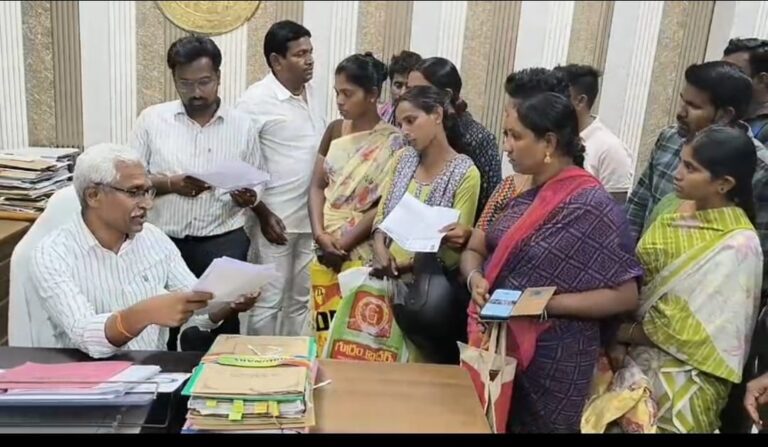
Facing intense pressure and a potential PR crisis, Chief Minister Revanth Reddy stepped in to fix the situation. After seeking a detailed report from officials, he took a surprising and widely discussed decision: he ordered that the victims be given house sites at the exact same location where their homes were destroyed.
To rectify the damage, the government has announced
Land Allocation: 310 families will receive house sites at the original demolition spot. Financial Support: The government has sanctioned Indiramma houses for these families. Extended Relief: Roughly 110 additional families who owned land in their native villages will also receive support. Budget: The total cost for this housing project is estimated at Rs 21 crore.
Lessons for the Future

The Velugumatla incident is a defeat for “land sharks” who had hoped to profit from the rising real estate value of the area after the clearances. By resettling the victims on the same land, the Chief Minister effectively blocked those predatory interests. However, the incident also carries a message for the public. Many of the victims had purchased land from middlemen without verifying proper legal documents. The government has urged the poor to be extremely cautious and ensure they have valid, legal paperwork before investing their life savings in house sites. Ultimately, the resolution of the Velugumatla crisis is a story of damage control. It shows that while administrative errors can cause immense pain, proactive leadership and public accountability can still turn a tragedy into a “happy note.”

Editor, Prime Post
Ravindra Seshu Amaravadi, is a senior journalist with 38 years of experience in Telugu, English news papers and electronic media. He worked in Udayam as a sub-editor and reporter. Later, he was associated with Andhra Pradesh Times, Gemini news, Deccan Chronicle, HMTV and The Hans India. Earlier, he was involved in the research work of All India Kisan Sabha on suicides of cotton farmers. In Deccan Chronicle, he exposed the problems of subabul and chilli farmers and malpractices that took place in various government departments.