- A Constitution in Crisis-
- The Congressional Rebuke of Trump’s Venezuela Policy
- The New Interventionism-
- Military Action in Venezuela and the Global Fallout
- Executive Power vs. International Law: The Seizure of Nicolas Maduro
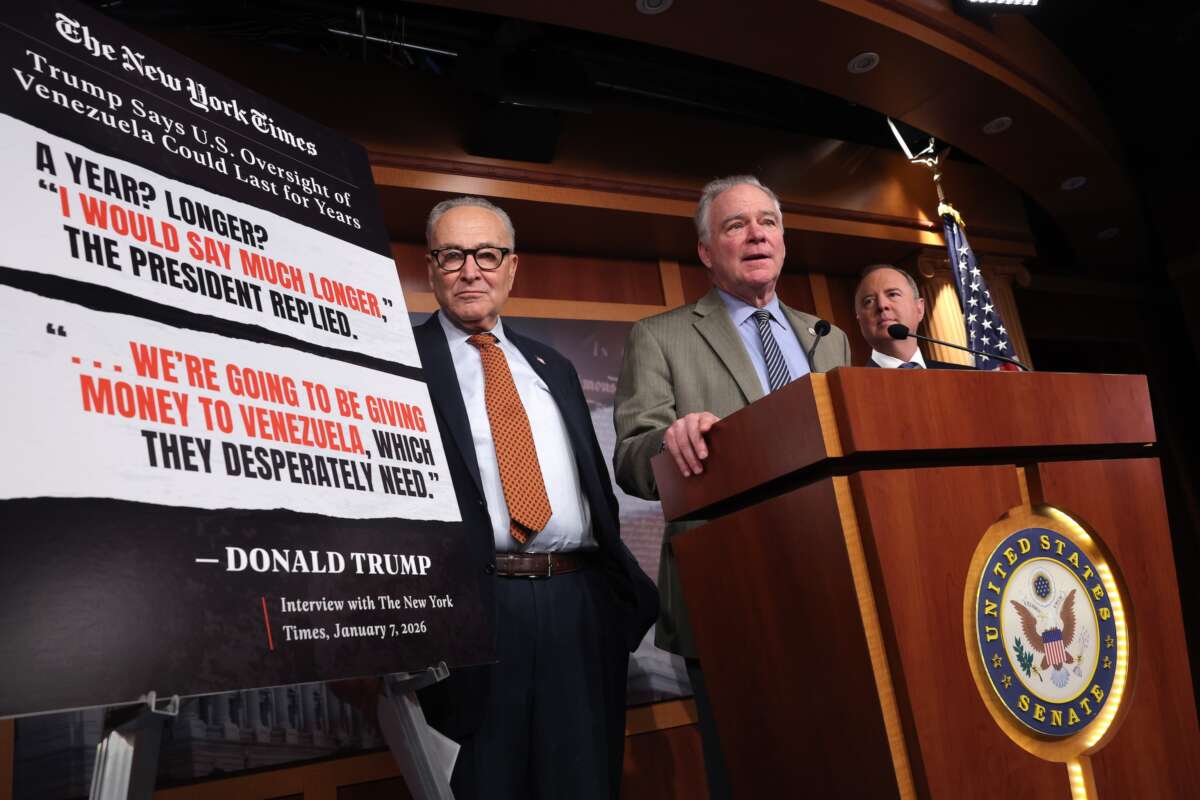
The US Congress passed a resolution on Thursday that would bar President Donald Trump from further military operations against Venezuela without its authorization. In a rare rebuke to the president, the Congress voted for the resolution 52-47 as five Republican senators voted along with every Democrat. President Trump has said he would veto this bill.
In a way, the move by the Congress could be of only a symbolic value. However, it is going to be an important symbol, for it is for the first time that the Congress has asserted its powers against President Trump. The resolution said, “Congress hereby directs the president to terminate the use of the United States armed forces for hostilities within or against Venezuela unless explicitly authorized.”
The Capture of Maduro and the Question of Legality
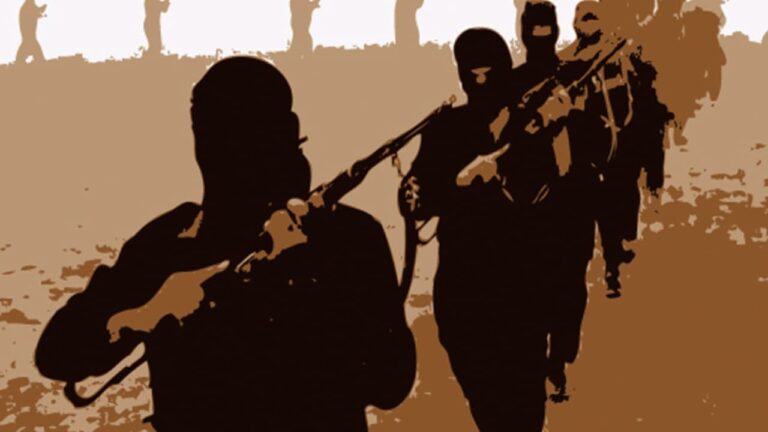
Donald Trump has been thus censured by the US Congress for sending military to Venezuela to capture its president Nicolas Maduro and his wife and fly them to the US without its authorization. The Senators opposed to Trump’s actions were very critical of him. When Trump was asked by a New York Times reporter if Washington’s oversight of Venezuela would be three months, six months, a year or longer, Trump replied, “I would say much longer. Only time would tell.” Asked by CBS News whether the Venezuela strikes were part of a broader foreign policy doctrine, Trump said, ”No. It’s a doctrine of ‘don’t send drugs into our country.’”
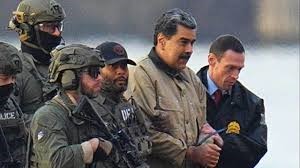
Trump ordered the US military on Saturday to seize President Maduro, who was brought to stand trial in New York. The UN human rights office has said the operation was a violation of international law that made the world less safe. The New York Times quoted Trump as saying: “I don’t need international law.” The US Congress has found fault with what Trump has done and what he has said.
The US president said, “We are going to be using oil and we are going to be taking oil. We are getting oil prices down and we are going to be giving money to Venezuela which they desperately need.” Trump did not carry out the threat of a second wave of attacks on Venezuela, as he said the leaders are behaving with the US and holding consultations. He is behaving like a ruffian.
Oil, Trade, and the New Global Energy Doctrine
The US Congress said the president cannot declare war on another country without its consent. The senators opposing Trump said the country cannot launch a war against Venezuela for the sake of its oil. If it is a question of drugs, other countries like Mexico are involved in the drug trade, the senators pointed out.
The Trump administration is reportedly willing to sell Venezuelan oil to India amid Washington’s sustained pressure on India to cut its reliance on Russian crude. The US has reached a deal with Venezuela to export up to $2 billion worth of Venezuelan crude after the US military action. India was one of the largest buyers of Venezuelan crude before the intervention by the US. The US Energy Secretary Christopher Wright said Washington was open to selling Venezuelan oil to almost all countries. The Venezuelan crude will be allowed to flow again only through a structure designed and overseen by the US government.
Moral and Academic Criticism: The Papacy and the Professor
In the meanwhile, Pope Leo on Friday called on world governments to “respect the will” of the Venezuelan people and said nations must safeguard the human and civil rights of Venezuelans. In the pope’s annual audience with the Vatican diplomatic corps, which traditionally amounts to his yearly foreign policy address, he called for a peaceful political solution that keeps in mind the “common good of the peoples and not the defense of partisan interests.”
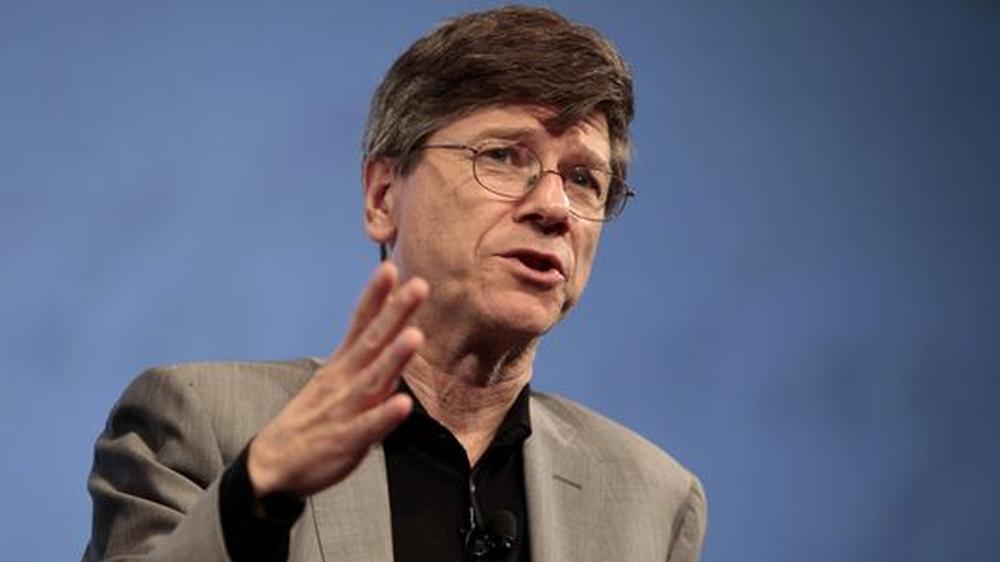
Jeffrey D. Sachs, a professor at Columbia University, highly respected for his advisory role in sustainable development, says what happened with respect to Venezuela is highly condemnable and unconstitutional. The US is known for changing the regimes in foreign countries. It has done so at least one hundred times so far. Between 1947 and 1989, there were 17 such operations undertaken by the US. All these interventions, Sachs said, are against international law. Trump turned the US into a rogue state.
The US government had used the CIA to change the government in Libya and Iraq. Trump feels emboldened because the Congress has not been functioning and all the power is flowing through the president. The CIA, which was created in 1947, is unaccountable to public opinion, Congress, or even truth. Sachs describes Trump as impulsive, grandiose, and megalomaniac. Trump is acting as a Roman emperor rather than an American President. The US president does not have any respect for international law or the American constitution. He says he may attack Colombia, Iran, Mexico, and ‘I may take over Greenland.’
Expansionist Ambitions: From Greenland to Iran
The US need not do anything to claim Greenland. All it has to do is to declare that it owns Greenland. There is no need for military operation or diplomatic work. Of course, the European leaders would finally understand that the US is a grave threat to Europe. The other theatre to watch is Iran. American sanctions have already weakened Iran’s economy. The CIA and Mossad (Israel’s intelligence agency) agents can be found in the crowds that are protesting in the streets against the Iranian government.
One has to wait and watch if the US Congress can rein in Trump or if the president would have his way in dealing with the list of adverse countries. The US is not only the great power in the world and it is also the greatest threat to the global order.
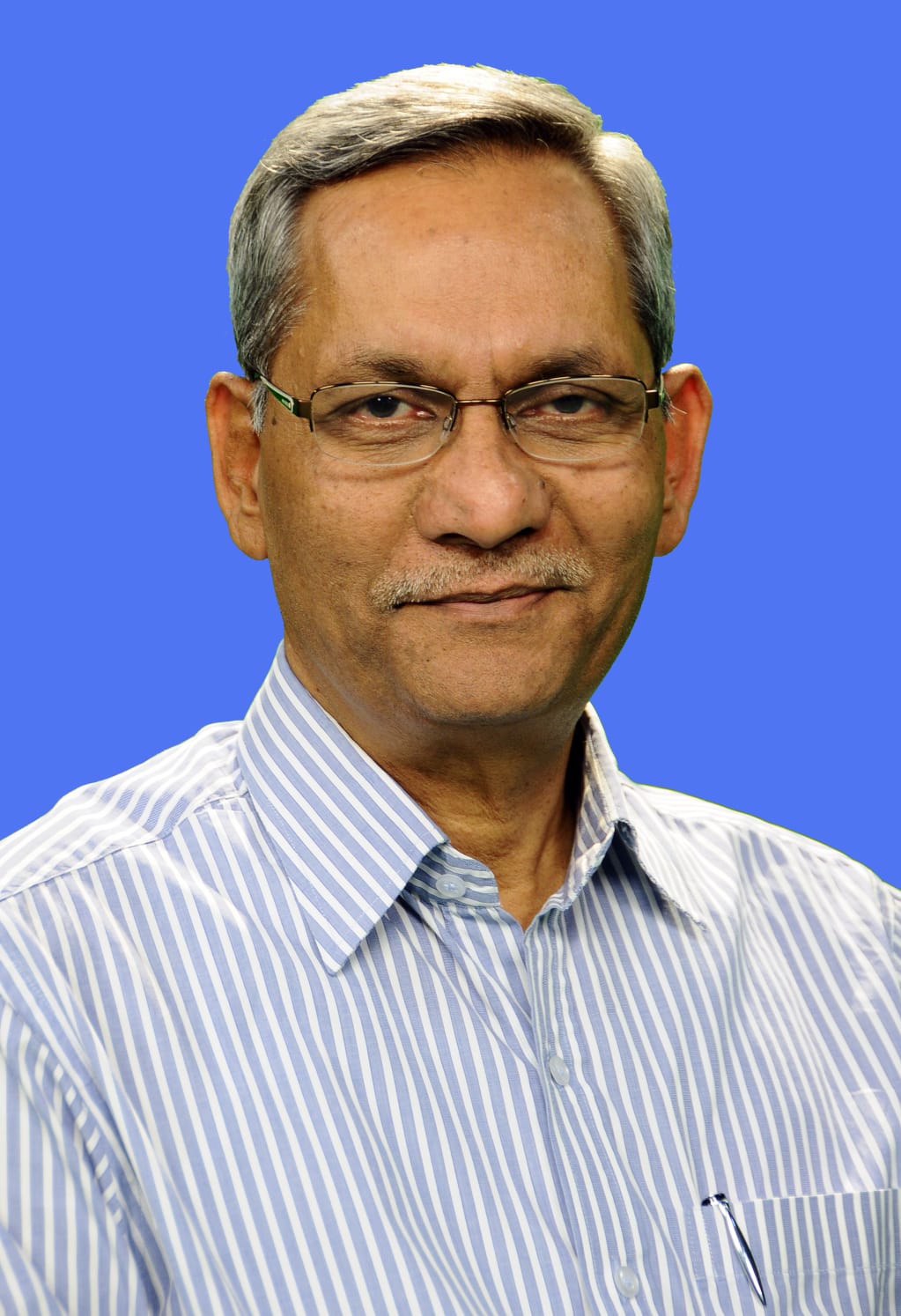
Prominent Journalist
Dr. K. Ramachandra Murthy is a versatile journalist with a distinguished career. Dr. Murthy began his extensive career with Andhra Prabha of The Indian Express group in Bengaluru. He was editor of Udayam, Vaartha and Andhra Jyothy. Dr. Murthy founded and edited HMTV news channel and The Hans India, an English newspaper. He was also editorial director of the Telugu newspaper, Saakshi. He was awarded Ph. D for his research work in rural reporting. Dr. Murthy’s five decades in journalism showcases his influential roles across both print and electronic media. He wrote the political biography of NTR published by Harper Collins.

Yes. It is true that President Trump cannot decission without the consent of U S congress in the case of Venezuela affair. It’s not right on the President Trump actions in the affair of Venezuela.
It seems people of Venezuela has supported this breach and picking up their incumbent President as there are no visible protests, indicates the way their economy has been eroded, is one way of appreciating this action.
Now World is began changing its look from being Global to Local based on the people aspirations & their unrest.
In Geo Politics having direct control on the source is seen as advantage.