- Tallada incident high altitude deceit by the traders to ‘Rythanna’
- Warriors of the Field: Bound by Debt, Fighting Alone
- The farmers in the country are being remained as scapegoats
The farmers of the country have been facing a hundred deceits, thousands of betrayals, and lakhs of cheats while selling their produce in the agricultural markets being run by State governments. Thousands of peasants are committing suicide with the increasing debt burden due to a lack of remunerative prices and natural calamities on one side and being cheated by traders by using various deceptive methods on the other.
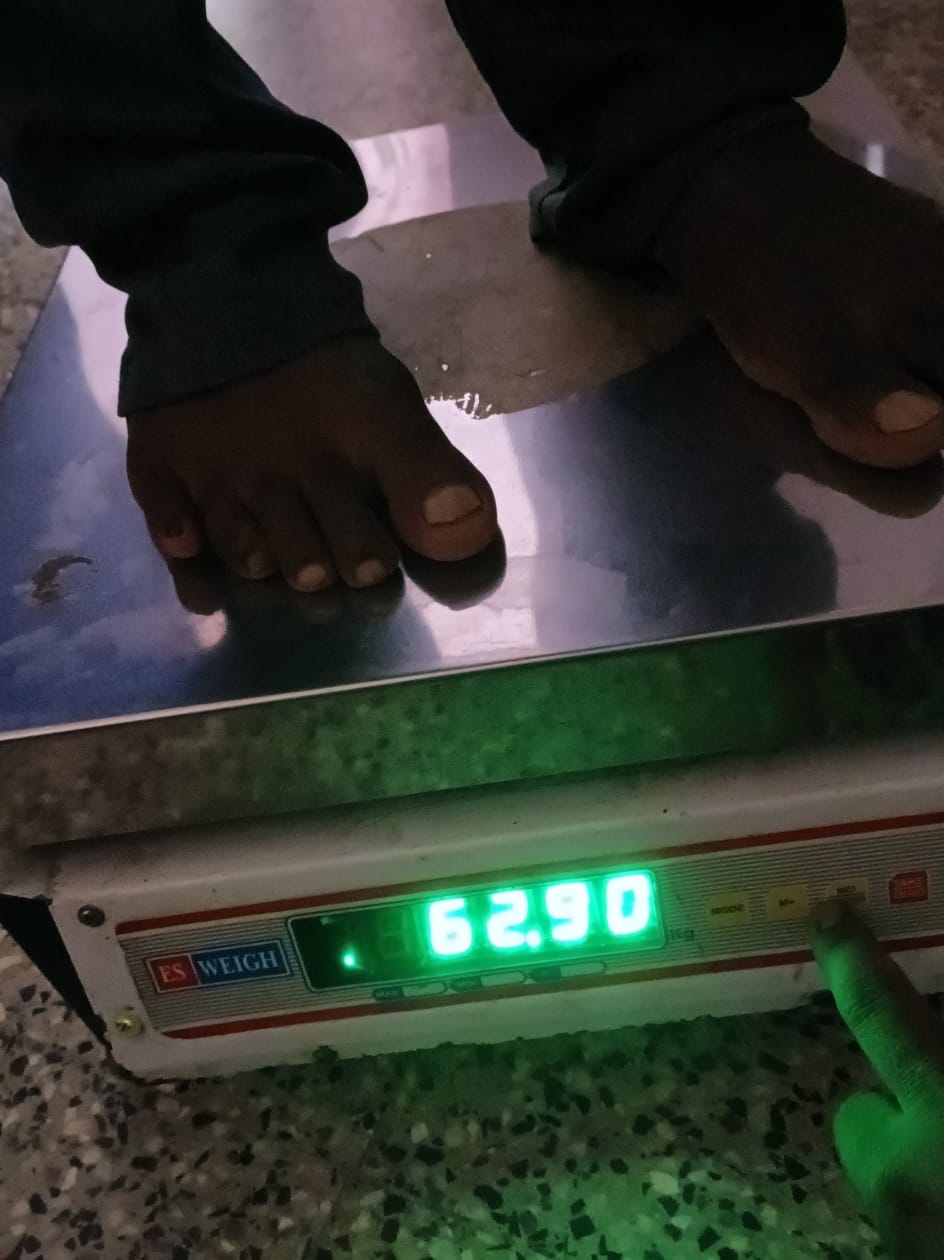
The incident that took place in Tallada Agricultural Market in Khammam district is a high-level trick in deceiving cotton farmers. In the cheating, the traders used a remote while operating the weighing machine during the time of lifting the cotton from the farmer. With this operation, the cotton farmers are losing five to ten kilograms of cotton for each 100-kilo bale. The weighing machine used to show 100 kilograms instead of 105 kilograms with the remote control device. Some of the traders are fixing a special chip in the weighing machine to show 100 kilograms instead of 105 kilograms of cotton.
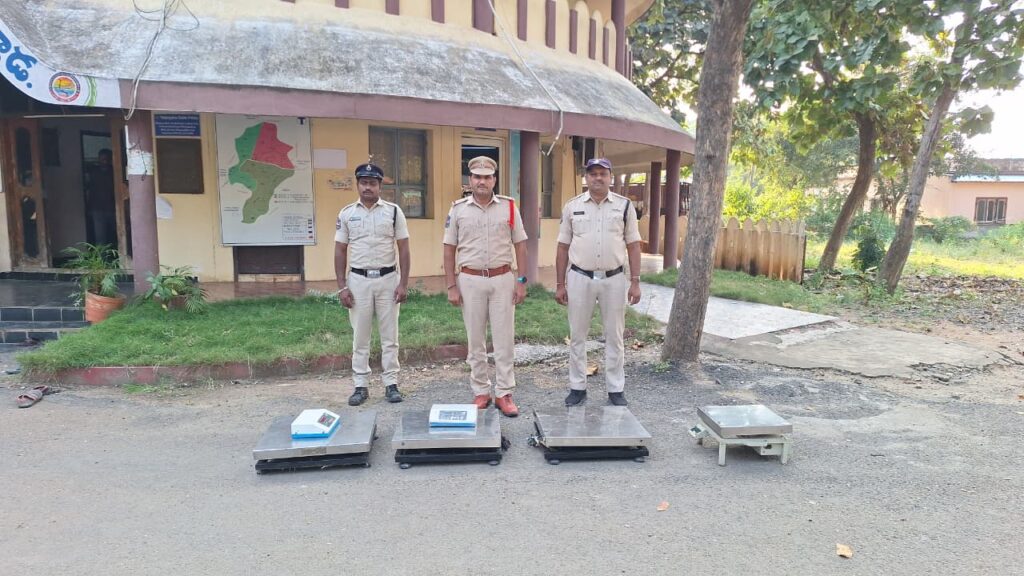
It is shocking and surprising that the traders show such betrayal to loot the farmers’ produce. Bind-over cases have been filed against six traders for cheating the farmers with the remote control systems. Sometimes, the traders looted ten to fifteen kilograms on each quintal of cotton from the farmers. In other incidents, bind-over cases were filed against 60 traders for cheating farmers by fixing chips in the weighing machines.
Deduction is one of the Cheating Methods
Deduction is one of the cheating methods conducted by the traders while lifting produce from the farmers. As part of it, they often impose arbitrary, excessive deductions for “moisture content,” “impurities,” or “handling charges” before calculating the final price. These deductions are frequently higher than necessary or stipulated.
Price Manipulation and Information Asymmetry
The Agricultural Produce Market Committee (APMC) Act was originally designed to protect farmers, but in many states, the regulated mandis (wholesale markets) are dominated by licensed traders (or arhtiyas) who form cartels. This lack of genuine competition allows them to buy produce at unfairly low, manipulated prices, well below the market rate or the Minimum Support Price (MSP) where applicable.
Delayed/Non-Payment
Especially when selling outside the regulated mandis (a system recently enabled by some reforms), farmers have reported instances where private traders purchase the produce and then abscond or fail to pay the promised amount for weeks or months, leaving the farmer with no recourse and mounting debt. There are several occasions where the government agencies took six months to one year to make payments.
Other Issues
The traders can unilaterally and arbitrarily downgrade the quality of the produce upon arrival. Due to poor post-harvest storage and transport infrastructure, farmers often have to sell their highly perishable produce immediately, regardless of the price offered, as they fear the produce will spoil. The government efforts to mitigate the exploitation are not always implemented effectively.
Dharma vs. Distress: The Market’s Test for the Tillers
With this, the farmers are like Karna, an epic warrior who lost his life in the battle due to various curses. The farmers in the country, too, are facing such a piquant situation. Unless the government takes a perfect, precise, and effective mechanism to safeguard the farmers from deceits in market mechanism and natural calamities, the hardships of the peasants will continue, which will witness more and more suicides among them.

Editor, Prime Post
Ravindra Seshu Amaravadi, is a senior journalist with 38 years of experience in Telugu, English news papers and electronic media. He worked in Udayam as a sub-editor and reporter. Later, he was associated with Andhra Pradesh Times, Gemini news, Deccan Chronicle, HMTV and The Hans India. Earlier, he was involved in the research work of All India Kisan Sabha on suicides of cotton farmers. In Deccan Chronicle, he exposed the problems of subabul and chilli farmers and malpractices that took place in various government departments.