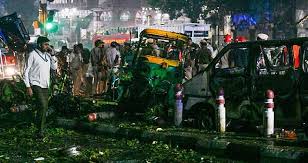
Delhi blast that shocked the country
Thedeadly car blast outside the Red Fort Metro Station on November 10th has shattered a prolonged lull. India’s major cities have been relatively calm for about 14 years since the 2011 September bombing outside the Delhi High Court. In 2010 there was a German bakery blast in Pune. The Mumbai attack on November 26, 2008, is a watershed development which divided the history. Later incidents in Pathankot, Pulwama, and Pahalgam have been reminding India that the proxy war by Pakistan is a continuous act of evil. What is alarming is the new module of violence which is occurring outside Jammu & Kashmir involving educated persons like doctors for the first time.
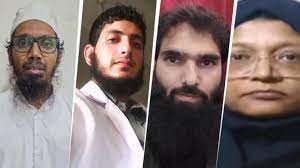
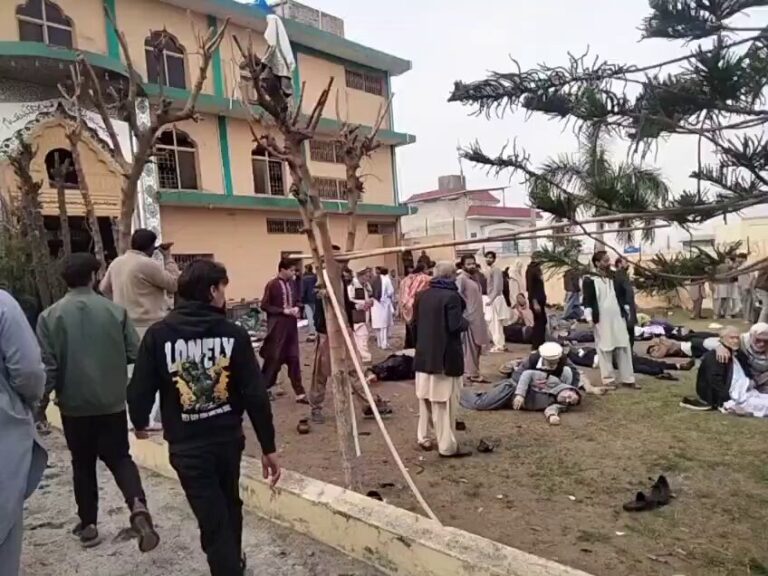
The Monday incident has killed 13 persons and injured several others. The police invoked the Unlawful Activities (Prevention) Act UAPA and the Explosives Act. The incident is being investigated as an act of terrorism. Prime Minister Narendra Modi and Home Minister Amit Shah have declared that they would bring the culprits to justice. The Opposition has sought accountability from the government. It is gratifying to note that both the government and the opposition have been showing restraint in their response. Speculation and rhetoric are thankfully avoided. A theory that an allegedly soft state would allow terrorism to harm has been promoted by the BJP government, which has been in power since 2014. Counterterrorism is a topic of polarization in India and elsewhere. The NDA government resorted to retaliatory surgical strikes, attacks on terrorist bases, etc.
A Violent Wake-Up Call: The Return of Urban Terror
The explosion at the Delhi Red Fort Metro Station at 6:52 pm has shocked the nation. It happened in the evening rush hour just some days after the police from J&K, Haryana, and Delhi exposed a terrorist module operated by a Kashmir-based doctor for implementation outside the volatile state. The police have seized 2,900 kg of Ammonium Nitrate and detonators from Faridabad. The chemical war also is part of the new strategy by the terrorists and their promoters. Nine accused have been arrested so far. The NIA has taken over the investigation.
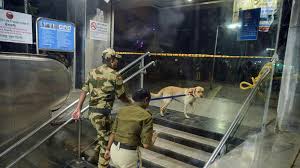
Strategic Shifts in the Proxy War
So, terrorism has not disappeared. It is muted, waiting for its time and attacking when it has the convenient ecosystem in place. The Central government has been successful in limiting the terrorist activities in J&K to a hundred per year, whereas there were some years when more than four thousand incidents took place. The global terrorism landscape has been reduced over the years. West Asia is relatively free of terrorist activities. ISIS is not as aggressive as it was some years ago. Al Qaeda is not as dangerous anymore. But the ISI (Inter-Services Intelligence) in Pakistan has been super active without letup in promoting Jihadi terrorism in Jammu and Kashmir and elsewhere in India. Indian intelligence agencies, which have been doing a good job in containing terrorism, have to improve their performance by acquiring the latest technology and Artificial Intelligence applications and a more integrated database.
The Imperative for an Integrated Response
The government and the opposition should avoid the usual pitfalls and maintain social harmony while effectively implementing the counterterrorism strategy and reiterating its legitimacy. The support of commuters, neighbors, and other connected persons is needed to curb terrorism. The ideology is being spread from Pahalgam to Pulwama and Anantnag to Faridabad. The ideologues, the financiers, the logisticians, and the radicals are spread across the regions. The intelligence network has to be strengthened to face the new challenge.
Prime Minister Modi and Defence Minister Rajnath Singh on Wednesday met National Security Advisor Ajit Doval and the army chief to discuss the latest developments in the country. There is a need to prepare the country to face any type of eventuality. A major diplomatic effort is called for to expose Pakistan and its nefarious designs. JeM’s activities have been going on outside J&K with ISI support. While the government takes all the measures to control terrorism, it has to continue its restraint and desist from scoring brownie points. It has to join the opposition to present a picture of unity to the world, just as it did in the wake of the Pahalgam attack, and try to bring the culprits to justice as early as possible. The purpose of a terrorist attack generally is to question the legitimacy of the government. The government has to act intelligently on all fronts to restore its legitimacy.
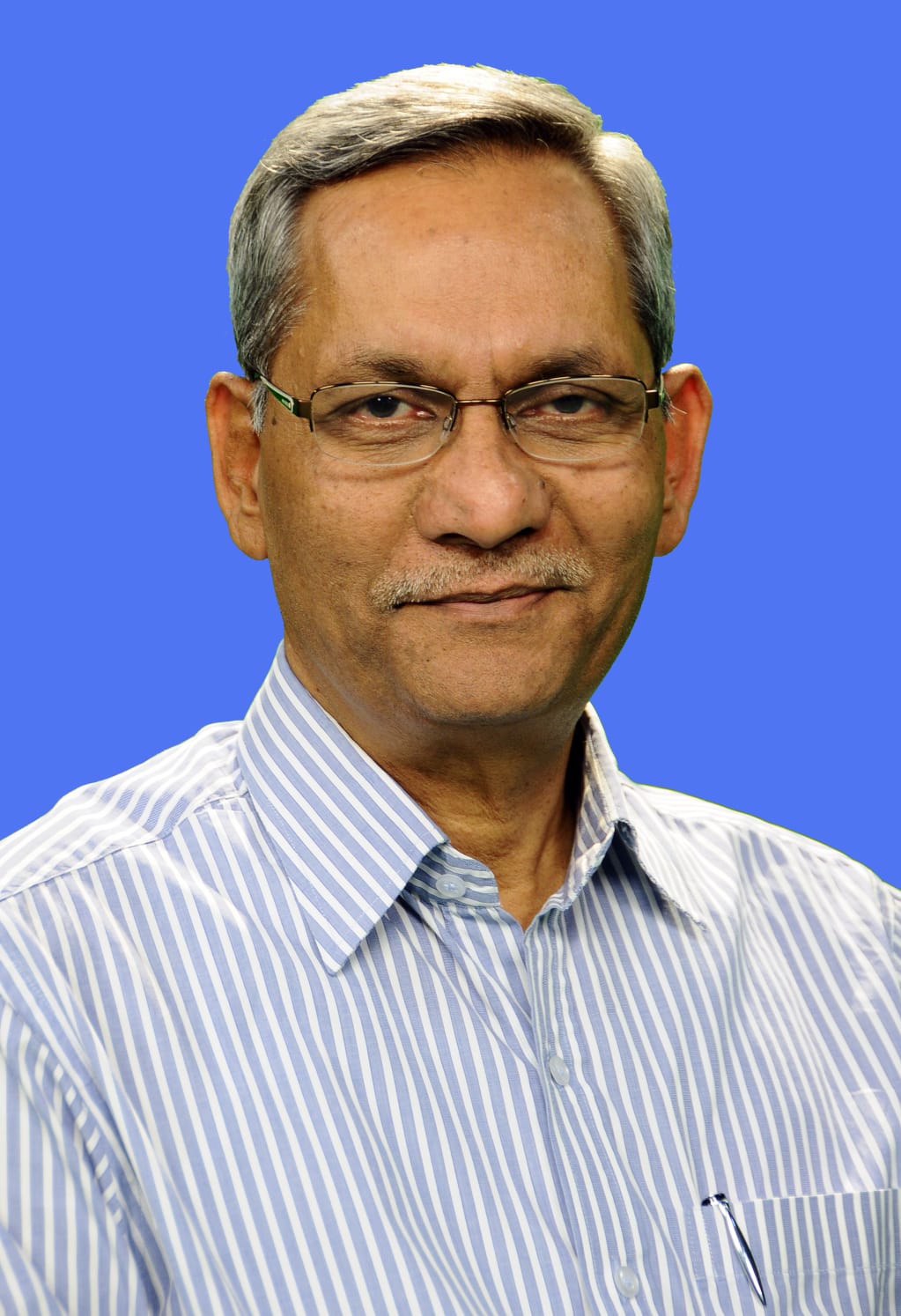
Prominent Journalist
Dr. K. Ramachandra Murthy is a versatile journalist with a distinguished career. Dr. Murthy began his extensive career with Andhra Prabha of The Indian Express group in Bengaluru. He was editor of Udayam, Vaartha and Andhra Jyothy. Dr. Murthy founded and edited HMTV news channel and The Hans India, an English newspaper. He was also editorial director of the Telugu newspaper, Saakshi. He was awarded Ph. D for his research work in rural reporting. Dr. Murthy’s five decades in journalism showcases his influential roles across both print and electronic media. He wrote the political biography of NTR published by Harper Collins.
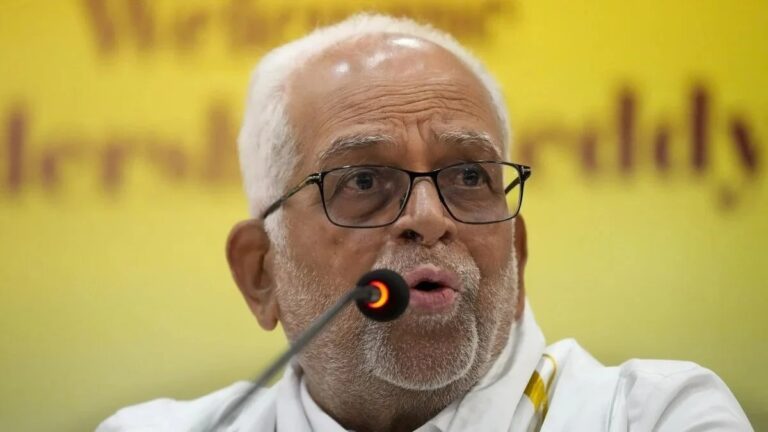
It’s very unfortunate about the crime happened in Delhi, Red Fort, near metro station who have lost 12 lives (as per reports). It’s very ghastly and mindless act. People in the country were shocked. Still not able to come out of that. After the pahalgaon crime this is the unfortunate incident taken place in Delhi. Mostly, we are experiencing trouble free in Sri Modiji Government. But still we are facing criminal acts like this now and then. It is said that culprits have been caught already. Stringent action should be taken against them. And elaborate security arrangements should be made not to occur criminal acts like this.