NIA Unearths Global Mercenary Link at Burma border
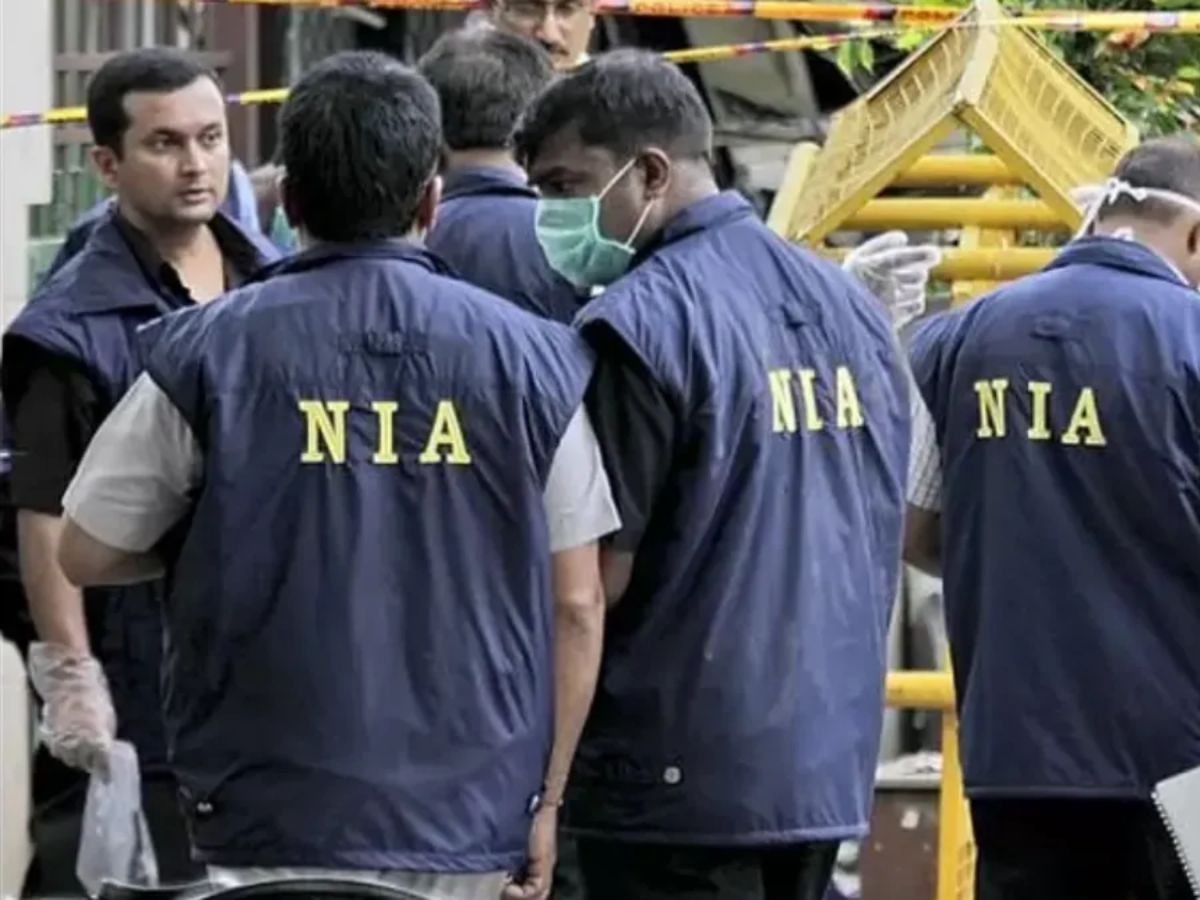
Recent reports from March 2026 indicate a significant security development involving the arrest of several foreign nationals by India’s National Investigation Agency (NIA). These individuals are accused of supporting insurgent activities in Myanmar and potentially threatening Indian security interests.
The Arrests: Key Facts
On March 13, 2026, the NIA conducted coordinated arrests at airports in Delhi, Kolkata, and Lucknow. The group consists of six Ukrainian Nationals, identified as Petro Hurba, Taras Slyviak, Ivan Sukmanovskyi, Marian Stefankiv, Maksim Honcharuk, and Viktor Kaminskyi. One US National: Matthew Aaron Van Dyke, a high-profile figure known for his previous involvement as a volunteer fighter and documentary filmmaker in the Libyan Civil War and the conflict in Ukraine.
Why are they helping?
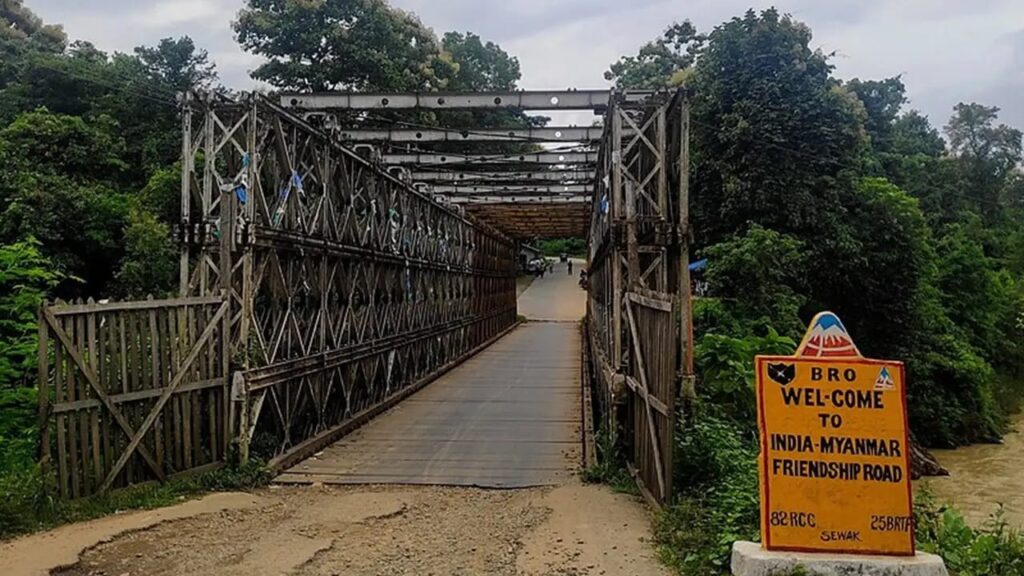
According to the NIA’s investigation and court filings, the motivations and actions of this group appear to be tactical and ideological:Tactical Training: They are alleged to have provided specialized training to Ethnic Armed Organizations (EAOs) in Myanmar. This training reportedly focused on advanced combat techniques, weapons handling, and modern technologies.Drone Warfare: A major focus of the investigation is the illegal import of large shipments of drones from Europe into Myanmar via India. These drones, specifically FPV (First-Person View) strike models, have recently been used by Myanmar rebels to target junta helicopters and armoured vehicles—tactics that mirror those developed in the Ukraine-Russia conflict.
Ideological Stance
Matthew Van Dyke has publicly stated on social media his intent to conduct operations against “authoritarian regimes,” specifically naming the Myanmar junta. Crucially for India, the NIA alleges these foreign nationals were in contact with banned Indian insurgent groups that coordinate with Myanmar-based ethnic militias, posing a direct threat to India’s internal security. Situation at the India-Myanmar BorderThe border region, particularly in Mizoram and Manipur, is currently highly volatile due to the ongoing civil war in Myanmar and ethnic tensions in India.
Scrapping of the Free Movement Regime (FMR)
The Indian government has recently moved to end the FMR, which historically allowed residents to travel 16 km across the border without a visa. This change was prompted by concerns that the porous border was being exploited by militants and smugglers. Massive efforts are underway to fence the 1,643 km border. While the Union government sees this as a security necessity, local communities in Mizoram and Nagaland have protested, citing deep ethnic and family ties that span the international boundary.
Refugee Influx
Thousands of people from Myanmar’s Chin State have sought refuge in Mizoram since the 2021 coup. This has created a complex humanitarian situation where local state governments (like Mizoram) have often been more welcoming than the central government’s security-first approach. The case surrounding the arrest of six Ukrainian nationals and one US national in March 2026 centers on allegations by India’s National Investigation Agency (NIA) that they were providing tactical support to insurgent groups in Myanmar. The group, which includes the well-known American conflict volunteer Matthew Van Dyke, is accused of smuggling advanced FPV drone technology from Europe into Myanmar via Indian territory and conducting specialized combat training for Ethnic Armed Organizations (EAOs).
Violation Security Protocols
The NIA’s investigation suggests these individuals bypassed strict security protocols, such as the Protected Area Permit (PAP), to operate in sensitive border regions. Beyond training, the primary concern for Indian authorities is the alleged link between these foreign nationals and banned Indian insurgent groups that share operational bases with Myanmar-based militias. While the Ukrainian Ministry of Foreign Affairs has officially protested the arrests, citing a lack of proven facts, the Indian government remains firm, viewing the group’s activities as a direct threat to regional stability and internal security.
This development coincides with a major security overhaul at the India-Myanmar border, where the Indian government has scrapped the Free Movement Regime (FMR) and initiated the fencing of the 1,643 km boundary to curb the flow of militants, refugees, and illicit hardware.
Editor, Prime Post
Ravindra Seshu Amaravadi, is a senior journalist with 38 years of experience in Telugu, English news papers and electronic media. He worked in Udayam as a sub-editor and reporter. Later, he was associated with Andhra Pradesh Times, Gemini news, Deccan Chronicle, HMTV and The Hans India. Earlier, he was involved in the research work of All India Kisan Sabha on suicides of cotton farmers. In Deccan Chronicle, he exposed the problems of subabul and chilli farmers and malpractices that took place in various government departments.