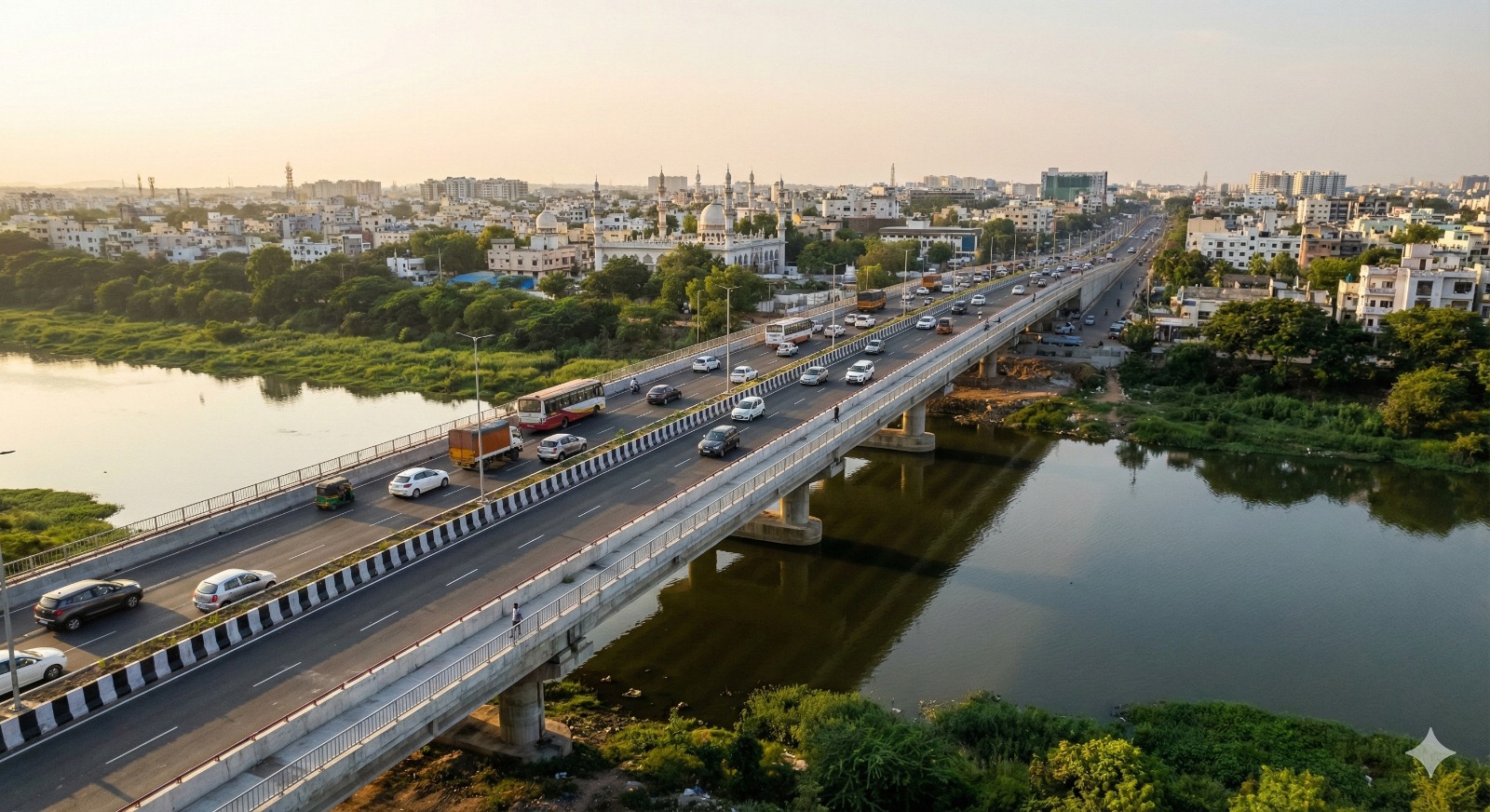
The debate surrounding the Musi Riverfront Development Project is a classic “Development vs. Welfare” dilemma. While the project promises to transform Hyderabad into a world-class city, the timing is being questioned against a backdrop of severe fiscal strain and unfulfilled social obligations.
Here is an argument, organized to highlight the tension between long-term infrastructure and immediate socio-economic needs.
The Musi Riverfront Development Project stands at a controversial crossroads. While its potential to rejuvenate Hyderabad’s ecology and boost Telangana’s global standing is acknowledged, a critical question persists: Is this the “need of the hour” given the state’s current financial distress?
The Crisis of Withheld Payments
Critics argue that before embarking on a multi-billion rupee beautification project, the government must address the “debt traps” affecting several sections of society. Education Sector: The delay in Fee Reimbursement has created a domino effect. Private college managements are withholding salaries for lecturers, and students under this category report facing discriminatory treatment.
The Contractor Crisis: Small-scale contractors, who completed essential works (ranging from ₹1 crore to ₹5 crore) as far back as eight years ago, remain unpaid. Many are now facing financial ruin. Retired Employees: Despite the government’s recent promise to increase monthly pension outlays from ₹700 crore to ₹1,000 crore, many retirees wait over two years for their terminal benefits, forcing some to seek legal recourse.
Agricultural and Rural Stress
The agricultural heartland is feeling the pinch of the state’s fiscal hurdles:.Rythu Bharosa (formerly Rythu Bandhu): The government has faced documented difficulties in transferring timely installments to farmers.
- Irrigation Projects: Thousands of crores are required to complete high-priority irrigation schemes that are vital for the state’s food security.
- Vulnerable Groups: Weavers, building workers, and agricultural laborers are actively demanding relief schemes that remain underfunded.
The Human Cost of Displacement
- Beyond the financial debate lies a deeply emotional one: the displacement of residents.
- Vehement Opposition: Residents of colonies and apartments marked for demolition are resisting the project.
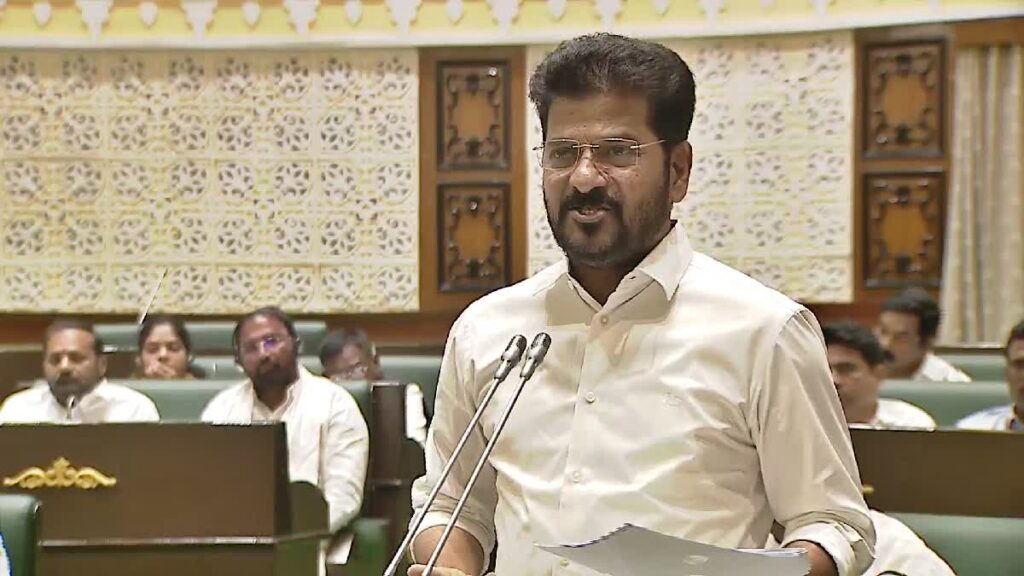
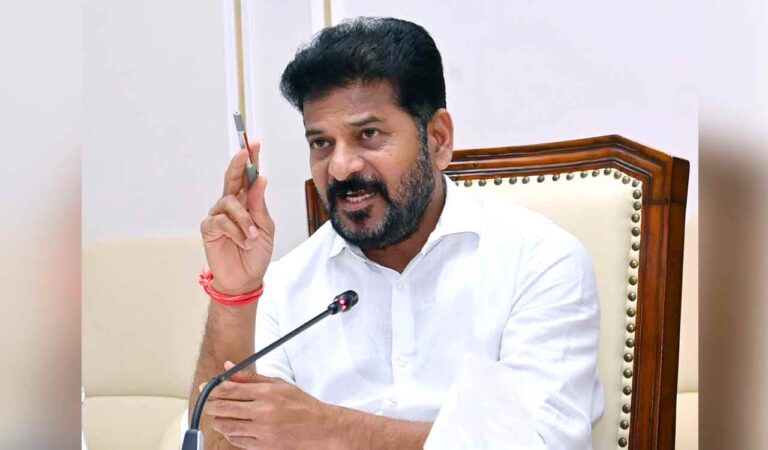
- Trust Deficit: Although Chief Minister A. Revanth Reddy has promised the construction of equivalent “pucca” houses for those displaced, many homeowners—fearing the same delays seen in other government payments—remain skeptical of these assurances.
HMTV: The Pioneer in Exposing the Musi River Crisis
Launched on February 12, 2009, by Hyderabad Media House Ltd, HMTV is a prominent 24-hour Telugu news channel known for its commitment to journalistic ethics—notably becoming the first in its field to appoint an ombudsman.
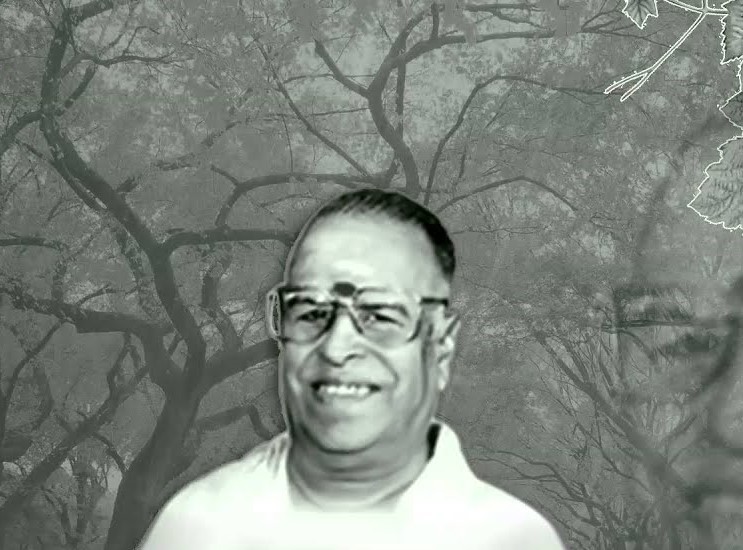
A hallmark of its early impact was the “Musi Bachao” (Save Musi) campaign led by then-Chief Editor and CEO K. Ramachandra Murty. Fifteen years ago, the HMTV team conducted an extensive investigative tour along the river’s course, traveling from its birthplace in Ananthagiri to its confluence with the Krishna River at Vadapalli. Their reporting vividly exposed how industrial discharge and urban waste had degraded this vital Telangana lifeline. The initiative earned widespread acclaim from scientists, activists, and political leaders, sparking a critical public dialogue on the urgent need for the river’s restoration.
Permanent Remedies for Nalgonda’s Fluorosis Crisis
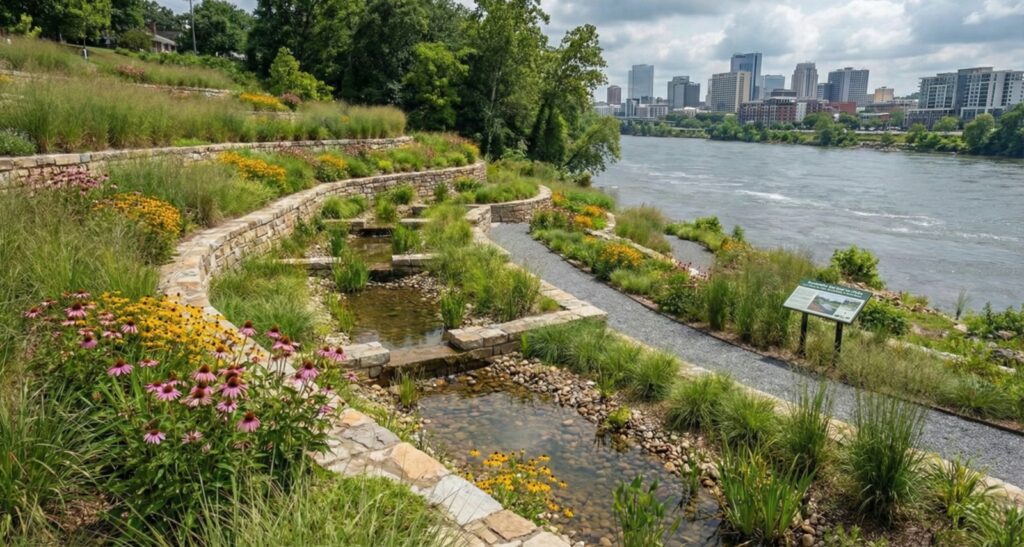
The anticipated benefits of this renovation are immense, offering a definitive solution to the fluorosis crisis in Nalgonda, where the toxic water has historically caused thousands to suffer from premature senescence as early as their forties. By revitalizing the river, the project will recharge groundwater levels and provide clean, fresh water for agricultural use. Ultimately, the Musi Riverfront Development Project is an investment in future generations. It is designed to be a transformative lifeline, securing the environmental and economic health of not only Hyderabad but the entire state of Telangana.
The Question of Timing

Interestingly, most stakeholders do not oppose the benefits of a clean, developed Musi River. The contention is entirely about prioritization. With nearly 30% of the affected families and various professional sectors opposing the move, the central argument is simple. Should a state prioritize a massive aesthetic and environmental overhaul when its fundamental social contracts—paying its employees, farmers, and contractors—remain unfulfilled? In the current economic climate, the Musi project is increasingly viewed not as a lack of vision, but as a lack of fiscal empathy.
Where There’s a Will, There’s a Way: The Power of Judicious Decision-Making
To ensure the project’s success, the state government, which established Musi Riverfront Development Corporation should make it a dedicated autonomous and flaw-free corporation. This entity should be tasked with securing low-interest loans from international financial institutions by highlighting the project’s critical role in environmental conservation and sustainable development in Telangana.
Simultaneously, the government must prioritize the ethical treatment of displaced families, ensuring they are relocated to housing that meets high standards of satisfaction. It is imperative that this ambitious project does not compromise existing welfare schemes or the protection of marginalized communities. Furthermore, the allocation and repurposing of reclaimed land must be managed with absolute transparency and judicial oversight. To bolster funding, the government could strategically monetize select land parcels for corporate use, with a strict mandate that all resulting revenue be ring-fenced exclusively for the project’s completion to prevent any diversion of funds.
Editor, Prime Post
Ravindra Seshu Amaravadi, is a senior journalist with 38 years of experience in Telugu, English news papers and electronic media. He worked in Udayam as a sub-editor and reporter. Later, he was associated with Andhra Pradesh Times, Gemini news, Deccan Chronicle, HMTV and The Hans India. Earlier, he was involved in the research work of All India Kisan Sabha on suicides of cotton farmers. In Deccan Chronicle, he exposed the problems of subabul and chilli farmers and malpractices that took place in various government departments.


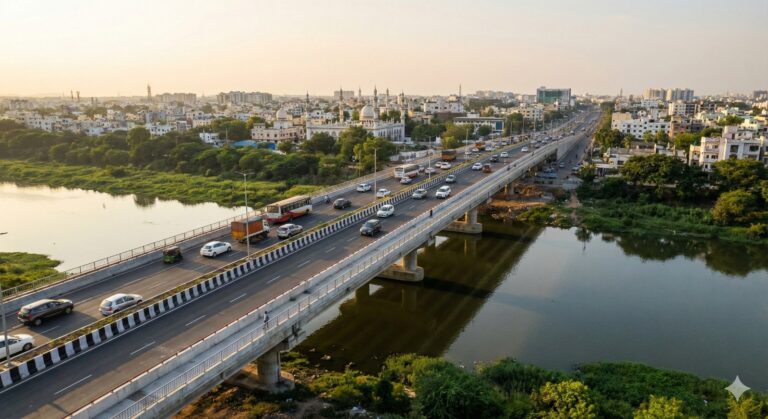
In 1980 ‘s the moosi fever each sides formers grown gradss to their castles . But present moosi is occupaid by govt organizations n other persons .When the fever come back to normal