Rahul Gandhi Drops ‘H-Files,’ Alleges 25 Lakh Votes Stolen in Haryana
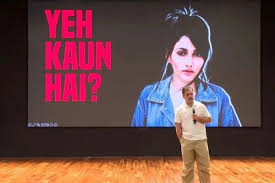
The political scene has become very heated after Congress leader and Leader of the Opposition in Lok Sabha, Rahul Gandhi, held a major press conference on Wednesday to present what he called the ‘H-Files’, alleging massive and deliberate ‘vote theft’ in the recent Haryana Assembly elections. Gandhi claimed that the entire state election was “stolen” through a planned operation, leading to a loss for the Congress party despite exit polls predicting a big win. At the heart of his detailed allegations is a simple but controversial entry in the voter list: the ‘House Number Zero’.
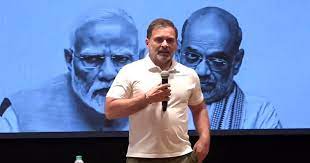
Gandhi stated that his team found clear proof that about 25 lakh voters in Haryana were fake, meaning they either do not exist, are duplicate entries, or were manipulated to allow unfair voting. This number, he stressed, means nearly one in every eight voters in the state’s list is fake. He said that this huge fraud was carried out through various methods, and the use of ‘House Number Zero’ was a key part of the plan to make fake voters untraceable.
Explaining the issue, the Congress leader pointed out that the Election Commission (EC) allows ‘House Number Zero’ to be used for registering homeless people who do not have a proper residential address. However, Gandhi showed on a screen that his team had physically checked the addresses of many voters listed with ‘House Number Zero’ and found something completely different. He showed a picture of a large, well-constructed building belonging to one man in Haryana who was listed as a ‘House Number Zero’ resident, implying he was homeless. “We found him in the village and physically identified this man and found out where he lives,” Gandhi said, stating that this was just one of hundreds of such cases they found.
The main point of Gandhi’s allegation is that listing a voter’s address as ‘House Number Zero’ is a method to ensure that nobody can identify or verify where that person actually lives. Once that voter has cast their vote illegally, they are practically untraceable, which makes the whole process of checking for fraud very difficult. “The reason there is a ‘House Number Zero’ is that nobody can identify where that person is. Once he’s voted, he’s gone. You cannot find him,” he claimed. He directly accused the Chief Election Commissioner of “openly lying to the people of India” by defending the ‘House Number Zero’ entry as a service for the homeless. He stressed that this was not a simple mistake but a deliberate and systematic way to allow manipulation of the voter list.
The Brazilian Model and Duplicate Voter Shock
In a separate, but equally shocking example of alleged fraud, Gandhi presented a copy of an electoral roll page that showed the same photograph of a woman repeated 22 times under different names like Seema, Sweety, and Saraswati, across multiple polling booths. He claimed the woman in the photo was actually a Brazilian model’s stock photograph, used to create multiple fake identities for voting. He questioned how a non-Indian photo could appear so many times in the voter list, calling it a blatant example of the widespread rigging.
The EC’s Sharp Counter-Attack: Unfounded Allegations
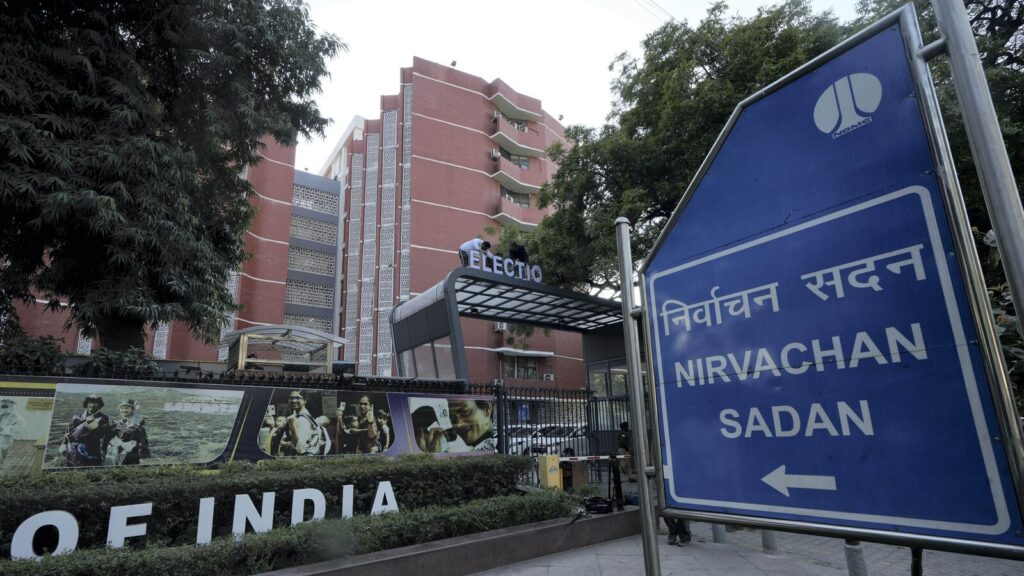
The Election Commission has strongly denied all of Rahul Gandhi’s allegations, calling them “unfounded” and “baseless.” Sources from the EC stated that ‘House Number Zero’ is a standard practice for areas where local bodies have not assigned any house numbers, or for genuine homeless people. The EC also questioned why the Congress party’s Booth Level Agents (BLAs) did not raise any objections to these specific entries during the official electoral roll revision periods before the election. Furthermore, the EC pointed out that zero appeals were filed against the final electoral rolls in Haryana, indicating a lack of formal challenge by the Congress party at the correct time. The BJP also hit back, calling Gandhi’s claims an attempt to hide the Congress’s own failure in the election. However, the serious nature of the ‘House Number Zero’ allegation—suggesting a mechanism to hide fake voters—has certainly put the spotlight firmly back on the integrity and revision process of India’s electoral rolls.
Deputy Editor, Prime Post
Anand Gantela is a seasoned media professional with nearly three decades of experience across the spectrum of Indian journalism. Having worked extensively in both print and broadcast media, he has held key positions at renowned outlets such as Prajashakthi, Andhra Bhoomi, Mudra, Media India, Siti Cable, Mana Telugu, and Maa TV. From ground-level reporting to managing news bureaus and overseeing bulletin production, Anand has witnessed the evolution of news firsthand. His wealth of experience reflects a deep understanding of the dynamic and ever- evolving landscape of news reporting.