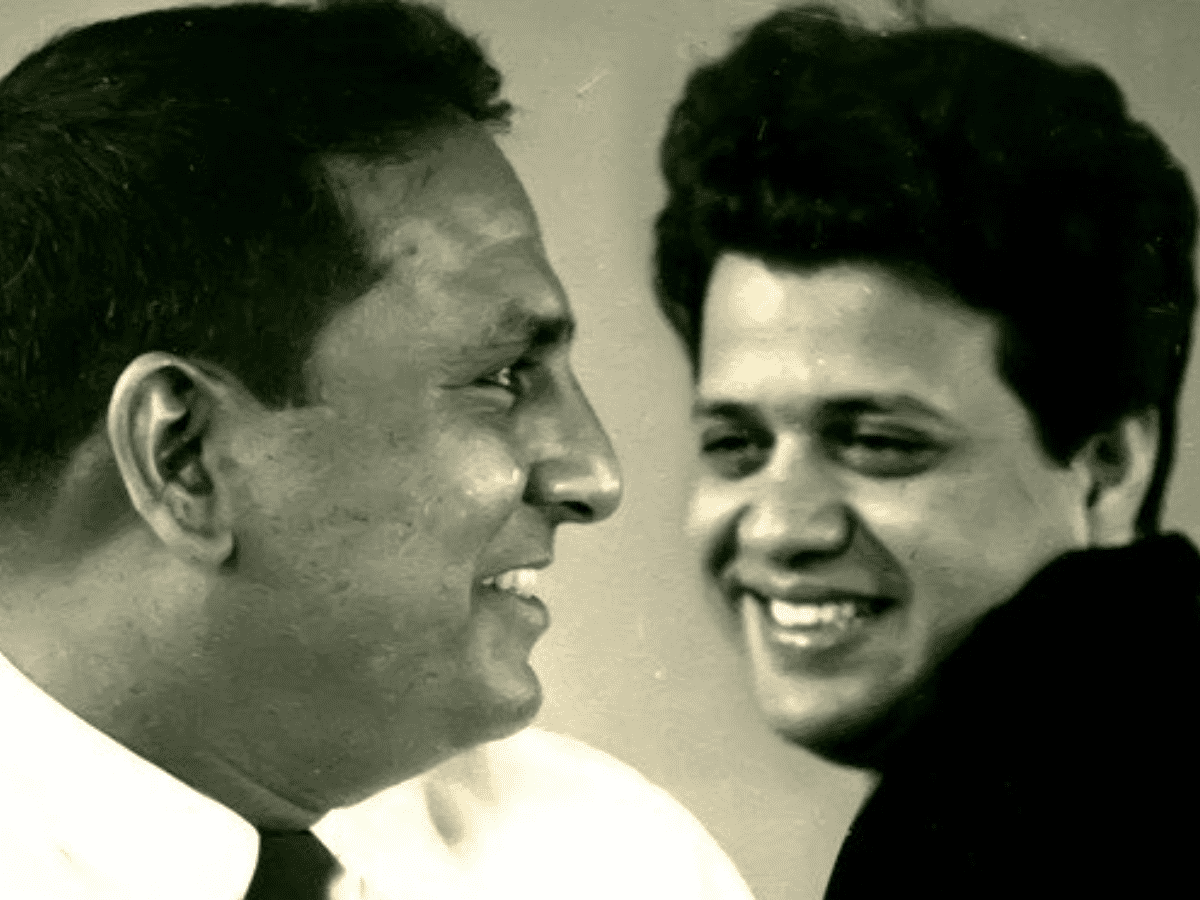
The history of Indian cinema is incomplete without the mention of ‘Shankar-Jaikishan (S-J)’, the legendary duo who redefined the landscape of film music. Throughout the 1950s, 60s, and into the 70s, they reigned as the undisputed “Kings of Melody,” bringing unprecedented popularity and laurels to the industry. Their partnership created a “Golden Era” where music wasn’t just an accompaniment to a film, but often the primary reason for its monumental success.
The Meeting of Two Masters
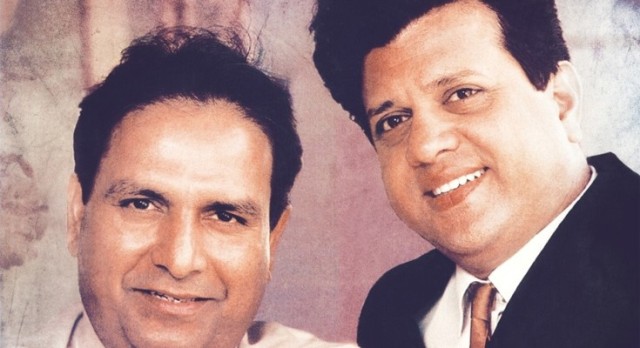
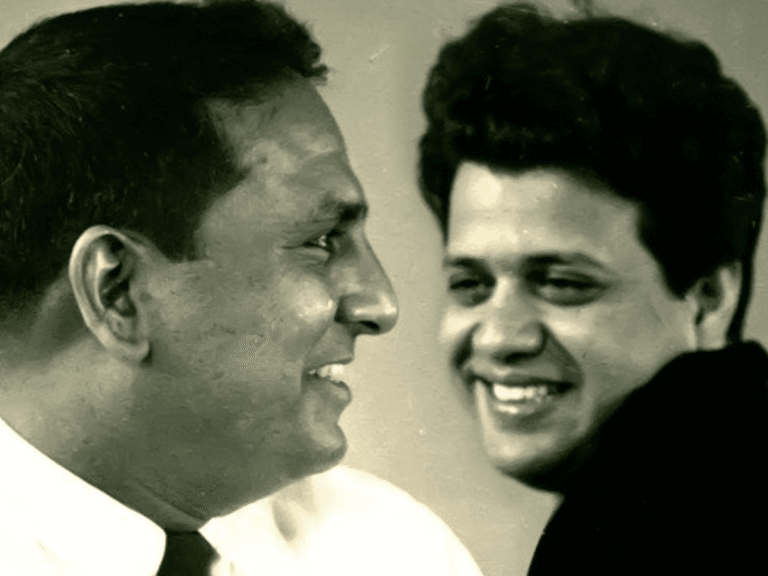
The duo consisted of ‘Shankar Singh Ram Singh’, born on October 15, 1922, in Hyderabad (Sindh), and ‘Jaikishan Dayabhai Panchal’, born on November 4, 1929, in Gujarat. Their fateful meeting occurred at Mumbai’s Prithvi Theatre. Shankar was already an accomplished harmonium player, while Jaikishan frequently visited the theatre to explore his passion for composition. Discovering a rare synchronicity in their musical ideas and creative vision, they decided to join forces.
The Rise to Stardom: The Raj Kapoor Connection
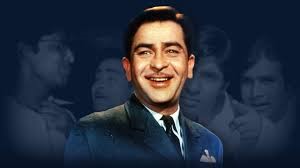
Their big break came when the legendary showman ‘Raj Kapoor’ recognized their untapped genius. He gave them the opportunity to compose for his 1949 film, ‘Barsaat’. The film’s soundtrack was revolutionary, effectively ushering in a new era of Hindi film music. Evergreen tracks like “Jiya Beqarar Hai,” “Barsaat Mein Hum Se Mile Tum,” and “Hawa Mein Udata Jaaye” became instant sensations, establishing Shankar-Jaikishan as the premier music directors of Bollywood—a position they would hold for decades.
A Legacy of Super-Hits
Following ‘Barsaat’, the duo produced a staggering string of musical masterpieces. Their discography includes iconic films such as ‘Awaara’ (1951), ‘Shree 420’ (1955), ‘Chori Chori’ (1956), ‘Anari’ (1959), ‘Sangam’ (1964), and ‘Mera Naam Joker’. Their versatility extended across various genres and languages, even making a significant impact in South Indian cinema with the hit Telugu film ‘Jeevita Chakram’. Their compositions were characterized by a unique fusion of ‘Western and Indian elements’. They were pioneers in integrating Ballet, Waltz, Jazz, and Rock rhythms with traditional Indian Classical tunes. To achieve this rich, textured sound, they utilized a ‘Grand Orchestra’, often featuring 50 to 100 musicians—a scale that was largely unheard of at the time.
The Voices of a Generation
Shankar-Jaikishan’s music provided the perfect canvas for the legendary playback singers of the era. They shared a special synergy with ‘Mohammad Rafi’, producing timeless solos like “Likhe Jo Khat Tujhe,” “Dil Ke Jharokhon Mein,” and the soul-stirring “Yaad Na Jaaye Beete Dinon Ki.” Their duets featuring Rafi and ‘Lata Mangeshkar’ remain the gold standard for romantic melodies. Additionally, their collaboration with ‘Mukesh’ was instrumental in crafting the musical identity of Raj Kapoor’s onscreen persona, resulting in some of the most beloved songs in Indian history.
Though Jaikishan passed away prematurely in 1971 and Shankar followed in 1987, their music remains timeless. Even today, listeners find solace and joy in their melodies, proving that the magic of Shankar-Jaikishan is truly eternal.
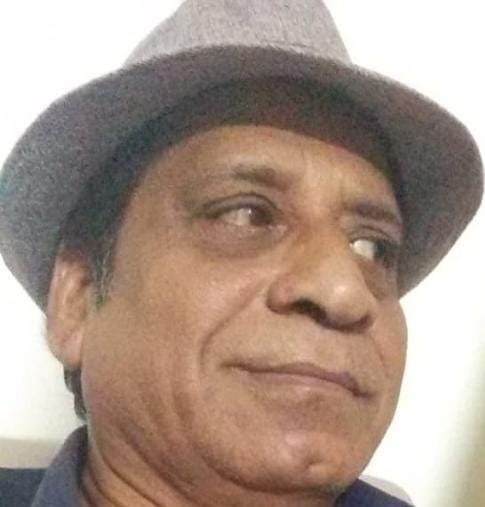
Principal Correspondent, Prime Post
Vidya Sagar Chaturvedula is a passionate film enthusiast whose four-decade career spans multiple sectors, including media and industry. Fluent in Telugu, Hindi, and English, he has a deep appreciation for cinema, particularly films in those three languages. His passion goes beyond simple viewing; he enjoys analyzing directional skill, the emotional depth of actors’ performances, and the profound meaning embedded in dialogue. Mr. Sagar is known for his ability to clearly articulate and narrate his insightful film analyses after watching a movie.

Nice narration about the legendary music director. Thank you. Keep it up 👍