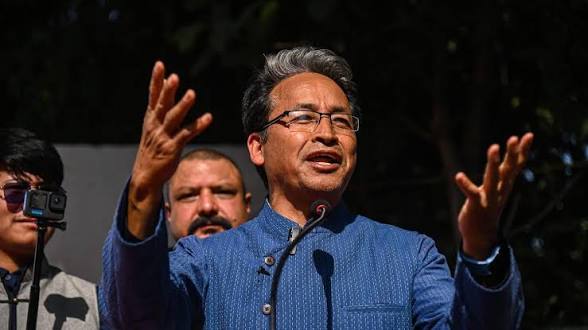
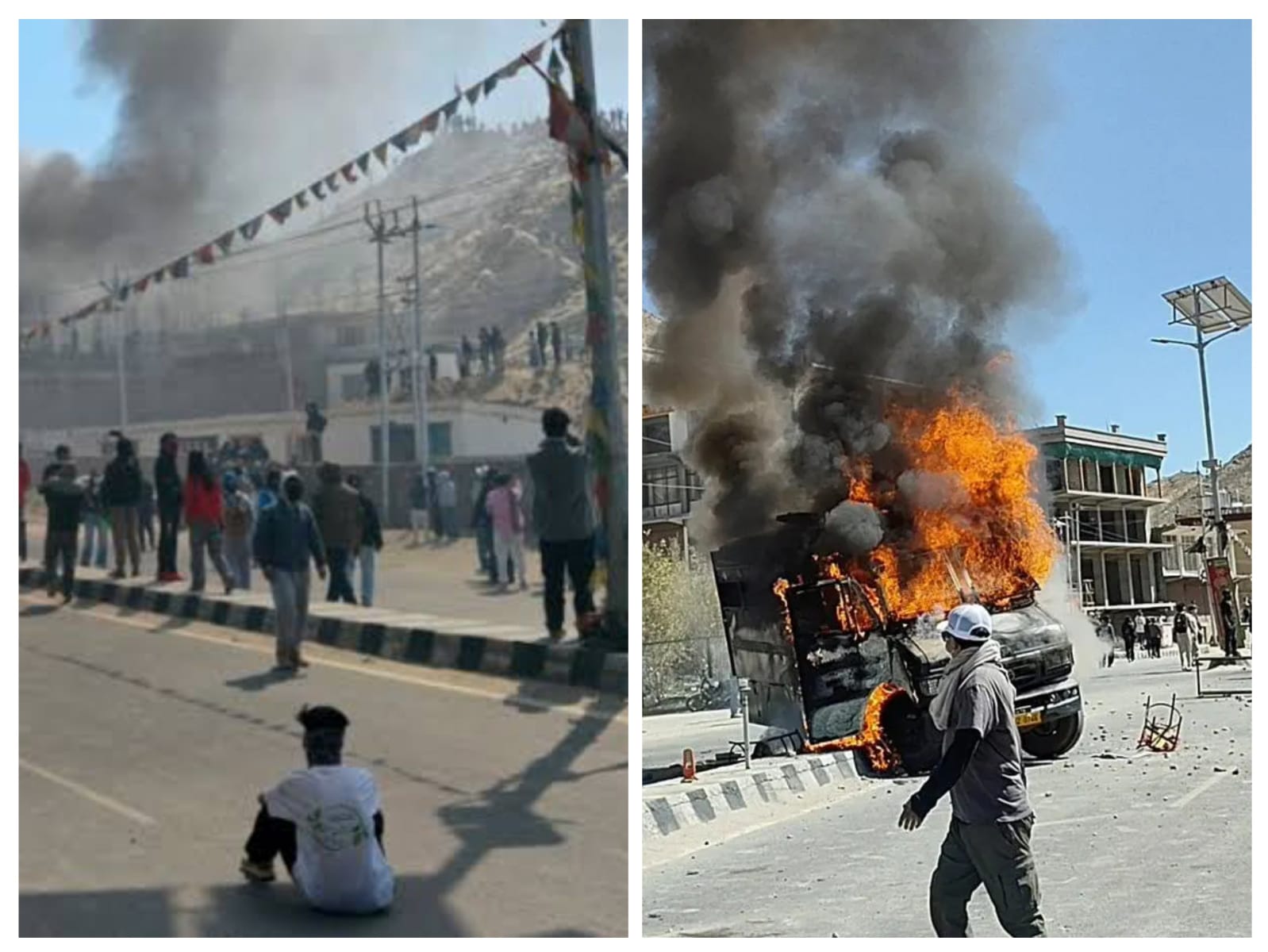
On March 14, 2026, the Ministry of Home Affairs (MHA) revoked the detention of climate activist Sonam Wangchuk under the National Security Act (NSA). He had been held in Jodhpur Central Jail for nearly 170 days following the violent protests in Leh on September 24, 2025.
The Message from the GOI
The government’s decision to release Wangchuk just three days before a scheduled Supreme Court hearing is seen as a strategic move to foment “Mutual Trust”. The MHA stated the release aims to foster an environment of “peace, stability, and mutual trust” to facilitate constructive dialogue. Legal analysts suggest the GOI acted to prevent a potentially embarrassing ruling from the Supreme Court, which had recently questioned the evidence used for his detention. By releasing the movement’s most prominent face, the Centre hopes to shift the battle from the streets to the negotiating table.
What is the appeal of Ladakh people?
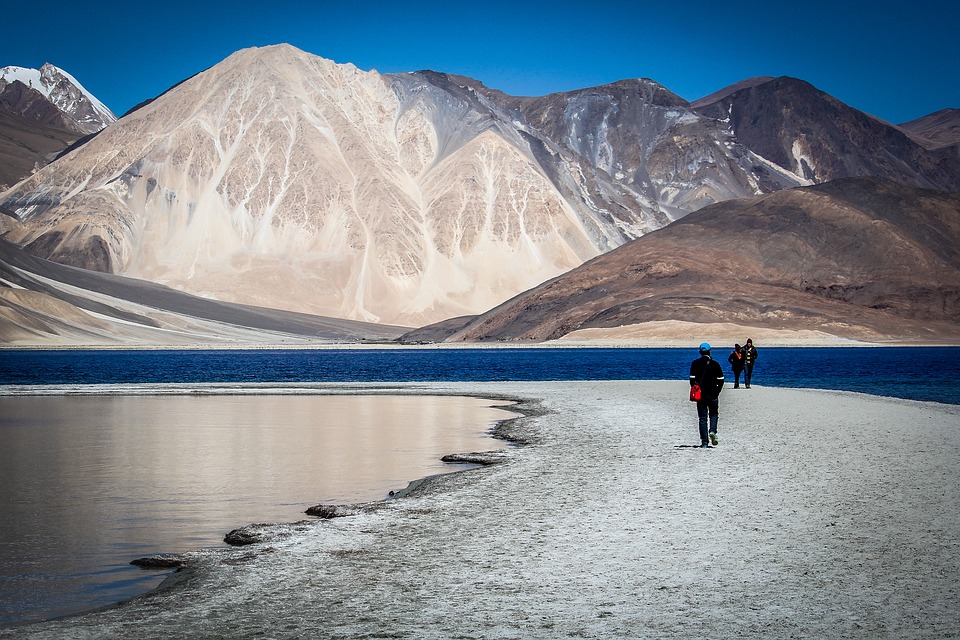
The people of Ladakh, represented primarily by the Leh Apex Body (LAB) and the Kargil Democratic Alliance (KDA), have unified around a “Four-Point Agenda.” While their protests have evolved over the years—most recently culminating in the massive rallies on March 16, 2026—their core demands remain consistent like full Statehood for Ladakh – Since the abrogation of Article 370 in 2019, Ladakh has been a Union Territory (UT) without a legislature. The people demand that Ladakh be upgraded from a UT to a full-fledged State. The Goal: To move away from “bureaucratic rule” by a Lieutenant Governor and toward an elected government where locals have a say in policy-making.
Inclusion in the Sixth Schedule
This is perhaps the most famous demand, championed by activist Sonam Wangchuk. The Sixth Schedule (Article 244) provides for Autonomous District Councils with legislative, judicial, and administrative powers. To protect Ladakh’s unique tribal identity (over 97% of the population is tribal) and its fragile “cold desert” ecosystem from industrial exploitation and “outsider” land ownership. Ladakh currently lacks its own recruitment body for Gazetted (higher-level) government jobs. To establish a Ladakh PSC to ensure that government jobs are reserved for local youth.
Separate Parliamentary Seats
Currently, the entire Ladakh region is represented by only one Member of Parliament (MP) in the Lok Sabha. The Goal: The people demand two separate Lok Sabha seats—one for Leh and one for Kargil—to ensure fair and distinct representation for both districts in the Union Parliament.
Is the GOI Ready to Grant the Sixth Schedule?
While the release is a “relief” for the agitators, the core demand remains unresolved. As of March 18, 2026, the GOI has not “made up its mind” to grant the Sixth Schedule. Instead, the current stance is one of calculated negotiation. In recent High-Powered Committee (HPC) meetings, the Centre has pushed for safeguards under Article 371 (similar to those in Nagaland or Mizoram) rather than the Sixth Schedule.
The GOI is wary that granting Sixth Schedule status to a Union Territory like Ladakh would trigger similar demands from other tribal regions across India. Strategic Security: Given Ladakh’s borders with China and Pakistan, the Ministry of Home Affairs remains hesitant to decentralize legislative and judicial powers that could interfere with central defense and infrastructure projects.
The “Sixth Schedule” Dilemma: Why is it Difficult?
The Sixth Schedule (Articles 244(2) and 275(1)) allows for Autonomous District Councils (ADCs) with legislative, judicial, and financial powers. Placing Ladakh in this category like the Northeast states faces several hurdles.The Sixth Schedule was specifically designed for “Tribal Areas” in Assam, Meghalaya, Tripura, and Mizoram. Extending it to Ladakh would require a significant Constitutional Amendment, as there is currently no precedent for applying it to a Union Territory without a legislature.
Security vs. Autonomy
Unlike the Northeast, where the Sixth Schedule was a tool for peace-building after insurgency, Ladakh is a primary front in national defense. The GOI fears that local control over “land and resources” might slow down strategic border roads, solar parks, or military installations.
Current Status: The “Win-Win” Search
On March 17, Sonam Wangchuk signaled a slight shift in stance, suggesting a “give and take” approach. He hinted that while statehood and the Sixth Schedule are the ideal, the leadership might be open to a “mutually satisfactory” success that ensures democracy and safeguards without a “100% win-lose” scenario.
Editor, Prime Post
Ravindra Seshu Amaravadi, is a senior journalist with 38 years of experience in Telugu, English news papers and electronic media. He worked in Udayam as a sub-editor and reporter. Later, he was associated with Andhra Pradesh Times, Gemini news, Deccan Chronicle, HMTV and The Hans India. Earlier, he was involved in the research work of All India Kisan Sabha on suicides of cotton farmers. In Deccan Chronicle, he exposed the problems of subabul and chilli farmers and malpractices that took place in various government departments.