Composition and Mandate of the One-Member Committee
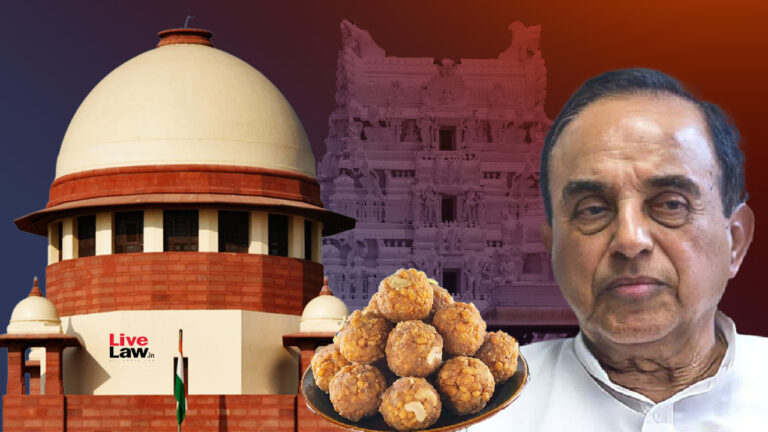
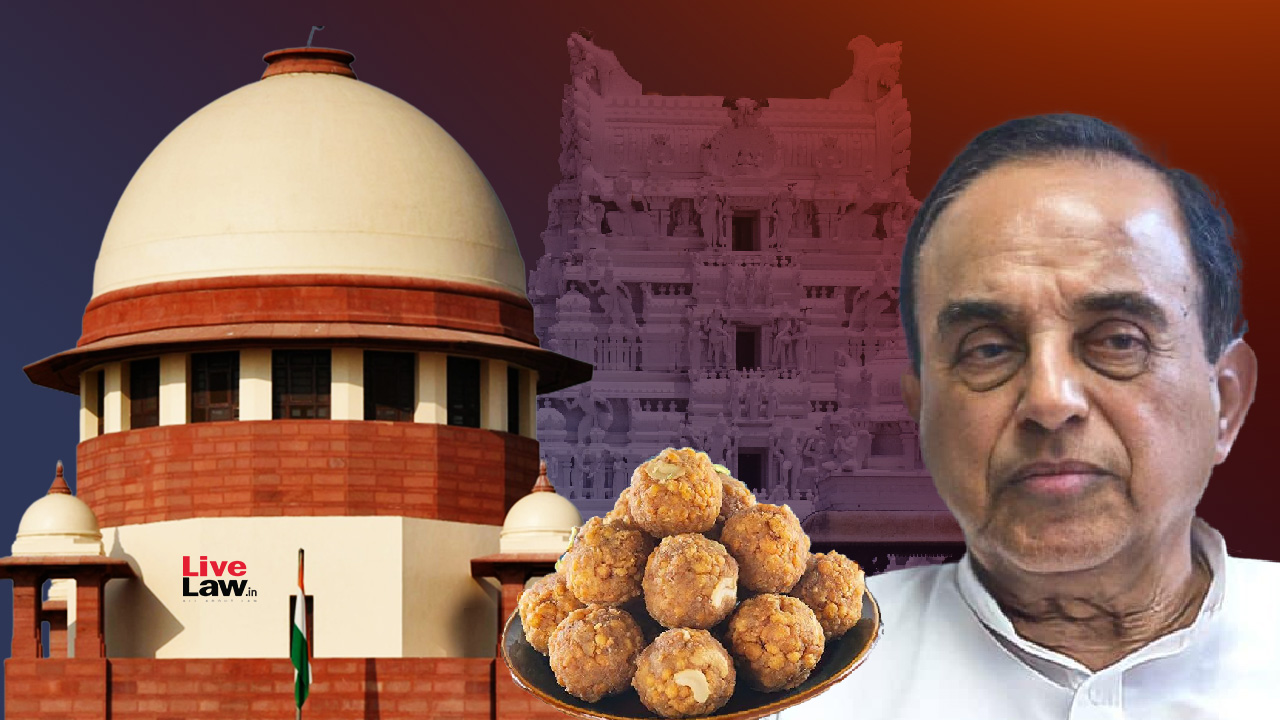
On February 23, 2026, the Supreme Court of India dismissed a petition filed by former MP Subramanian Swamy challenging the Andhra Pradesh government’s appointment of a one-member committee to review administrative lapses in the Tirumala laddu controversy. The Bench, comprising Chief Justice of India Surya Kant and Justice Joymalya Bagchi, clarified that the state’s administrative inquiry does not interfere with the ongoing judicial process or the findings of the Special Investigation Team (SIT).
Core Legal Issue
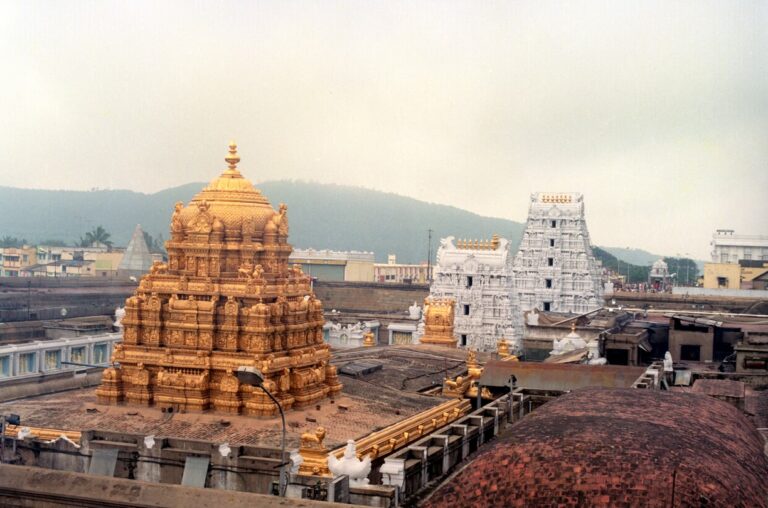
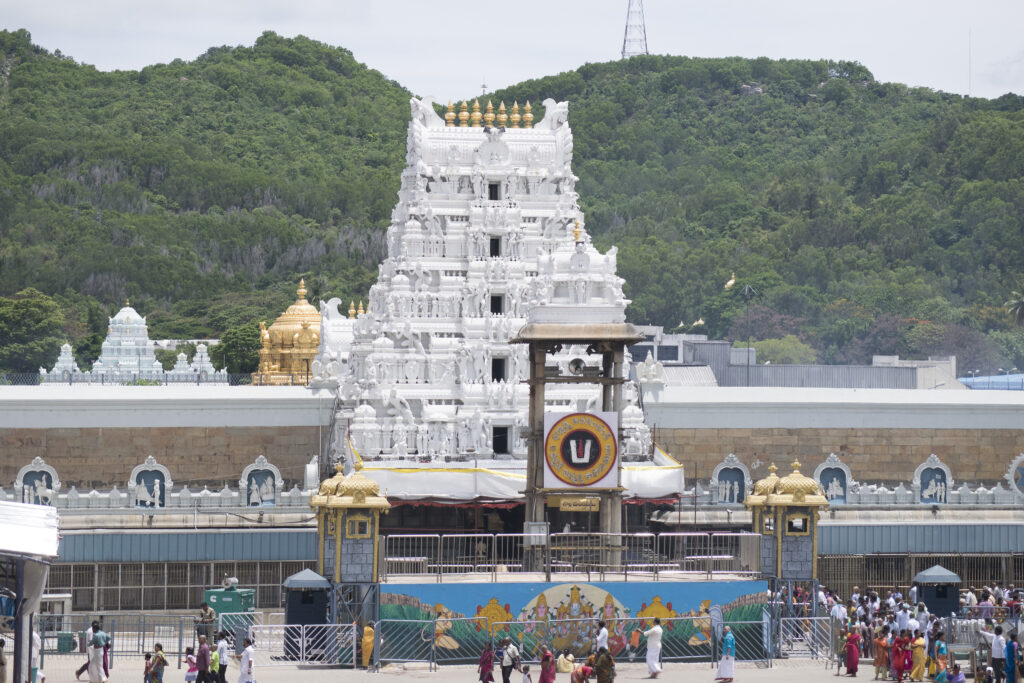
The petitioner argued that the state-appointed panel undermined the authority of the Supreme Court-constituted SIT, which was tasked with probing the criminal allegations of ghee adulteration in the sacred offerings at Tirumala Tirupati Devasthanams (TTD). Swamy contended that the state’s move created an “overlapping” jurisdiction that could potentially bias or dilute the findings of the court-monitored investigation.

Court Observations and Findings
The Court rejected these apprehensions, emphasizing a clear distinction between criminal liability and administrative accountability. Key points from the judgment include. Completion of Criminal Probe: The Bench noted that the SIT investigation has already concluded, resulting in the filing of both a chargesheet and a supplementary chargesheet. Demarcated Scopes: The Court ruled that the one-man committee is specifically tasked with fixing responsibility for administrative failures—a mandate distinct from the criminal prosecution of the accused. No Conflict of Interest: Justice Surya Kant stated that the apprehension of the petitioner lacked a “solid foundation,” as the administrative inquiry is a procedural follow-up to the SIT’s findings rather than a parallel criminal investigation.
The Judgment
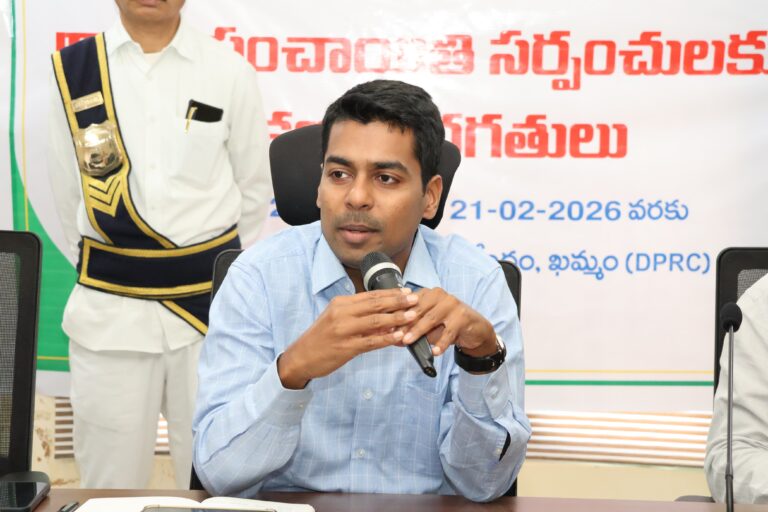
The Supreme Court held that both the criminal proceedings and the state-led administrative inquiry should continue “strictly in accordance with law.” By dismissing the plea, the Court has allowed the Andhra Pradesh government to proceed with identifying the officials or systemic gaps responsible for the lapses that led to the adulteration allegations. The ruling establishes that state-level administrative reviews into temple management do not conflict with court-mandated criminal investigations, provided their scopes remain distinct. The Andhra Pradesh government, through a Government Order (GO 458) issued on February 20, 2026, officially appointed retired IAS officer Dinesh Kumar (a former State Chief Secretary) to head the administrative inquiry. The panel has been granted a 45-day deadline to submit its findings. Unlike the SIT, which focused on the criminal “syndicate” and the chemical nature of the adulteration, this committee is tasked with a specialized internal review
Editor, Prime Post
Ravindra Seshu Amaravadi, is a senior journalist with 38 years of experience in Telugu, English news papers and electronic media. He worked in Udayam as a sub-editor and reporter. Later, he was associated with Andhra Pradesh Times, Gemini news, Deccan Chronicle, HMTV and The Hans India. Earlier, he was involved in the research work of All India Kisan Sabha on suicides of cotton farmers. In Deccan Chronicle, he exposed the problems of subabul and chilli farmers and malpractices that took place in various government departments.