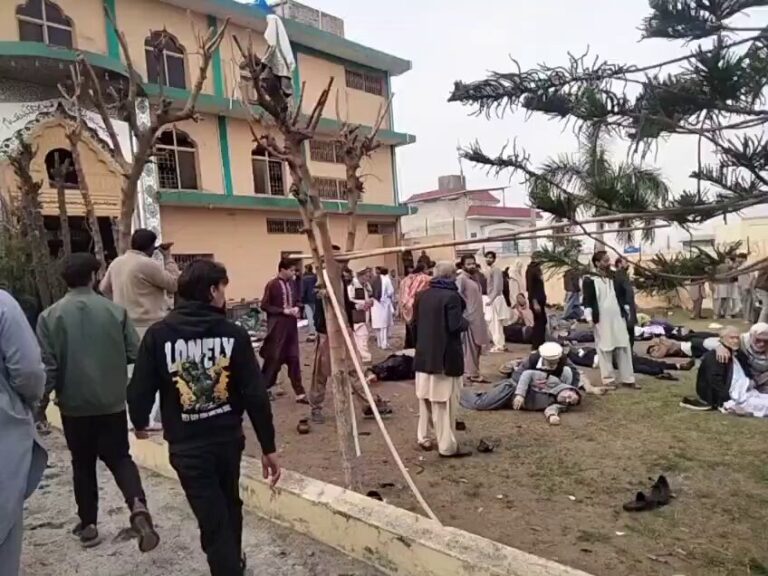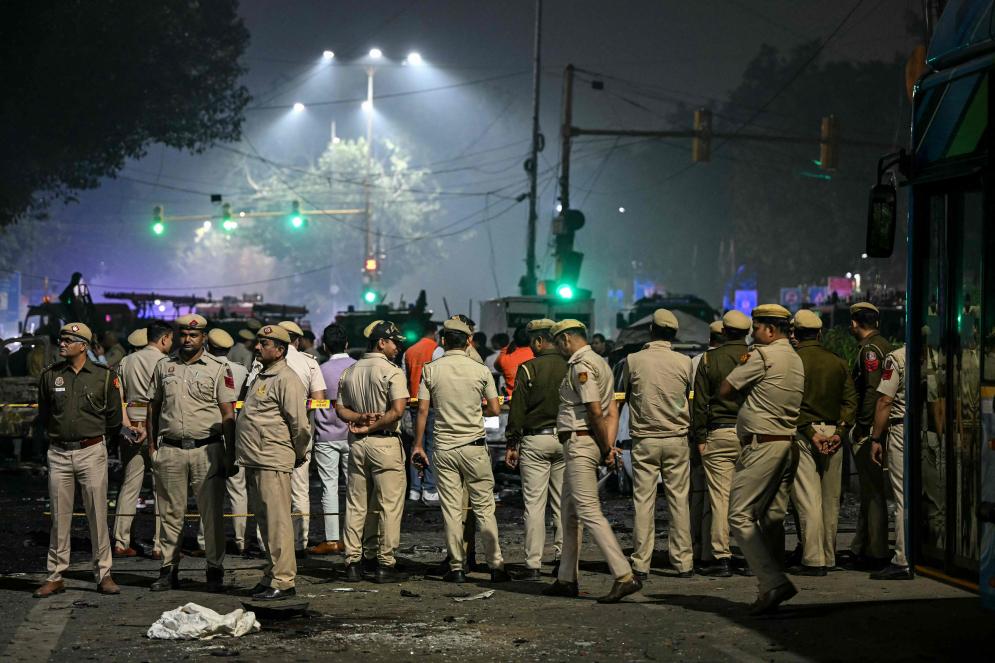
A high-intensity blast that tore through a Hyundai i20 car near the historic Red Fort in Old Delhi on Monday evening has tragically claimed at least nine lives and injured over 20 people. The incident, which occurred at the Subhash Marg traffic signal, immediately put the national capital on high alert, with security agencies scrambling to determine if the explosion was a criminal act or, more worryingly, a targeted act of terror. The ongoing investigation is now primarily focused on establishing a definitive link between this deadly blast and a major ‘white-collar’ terror module that was busted in Faridabad, Haryana, just hours before the explosion.
Blast Follows Hours After Massive Faridabad Bust
The proximity of the two events has deeply unsettled the security establishment. Earlier on the same day, police forces from Jammu and Kashmir and Haryana successfully dismantled a massive inter-state terror network. This module, linked to Pakistan-based banned outfits like Jaish-e-Mohammed (JeM) and Ansar Ghazwat-ul-Hind (AGuH), involved the arrests of eight individuals, including doctors and academics, and led to a colossal seizure of nearly 2,900 kg of bomb-making materials, including a significant quantity of ammonium nitrate, alongside arms and ammunition. This find confirmed a large-scale plot to cause mayhem in the National Capital Region (NCR).
The investigation into the Red Fort blast is moving swiftly, with teams from the National Investigation Agency (NIA), National Security Guard (NSG), and the Forensic Science Laboratory (FSL) collecting crucial evidence. Key to the terror angle is the trace of the exploded vehicle. The Hyundai i20, bearing a Haryana number plate, was found to have multiple owners. More specifically, police sources revealed that the car was sold to an individual from Pulwama, Jammu and Kashmir. Although the official transfer of documents was still pending, this link to a sensitive area has compelled investigators to directly question the arrested individuals from the Faridabad module about their knowledge of the blast and the vehicle’s movement.
Witnesses described the explosion as incredibly powerful, destroying the car and causing bodies and debris to scatter across the busy junction near Gate Number 1 of the Metro Station. This points strongly towards a sophisticated Improvised Explosive Device (IED), rather than a minor accident. The forensic analysis will soon confirm the type of explosive used. Agencies are currently comparing the recovered IED components from the Faridabad bust which included timers, a rifle, and a large chemical cache with the remnants found at the blast site to look for a forensic signature linking the two.
Shah Assures Thorough Probe, Dismisses No Possibility
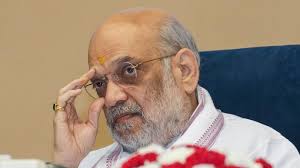
Union Home Minister Amit Shah visited the injured at the LNJP Hospital and assured the country that the government is fully focused on the probe. Home Minister Amit Shah stated, “We are exploring all possibilities and will conduct a thorough investigation, taking all possibilities into account. All options will be investigated immediately, and we will present the results to the public.” He confirmed that all CCTV footage is being scrutinised and that all central agencies are working in close coordination with Delhi Police to uncover the complete conspiracy. The urgent task now is to determine if the blast was a final, desperate act by the terror network, or if it was a message sent by foreign handlers following the successful crackdown in Faridabad.
Deputy Editor, Prime Post
Anand Gantela is a seasoned media professional with nearly three decades of experience across the spectrum of Indian journalism. Having worked extensively in both print and broadcast media, he has held key positions at renowned outlets such as Prajashakthi, Andhra Bhoomi, Mudra, Media India, Siti Cable, Mana Telugu, and Maa TV. From ground-level reporting to managing news bureaus and overseeing bulletin production, Anand has witnessed the evolution of news firsthand. His wealth of experience reflects a deep understanding of the dynamic and ever- evolving landscape of news reporting.