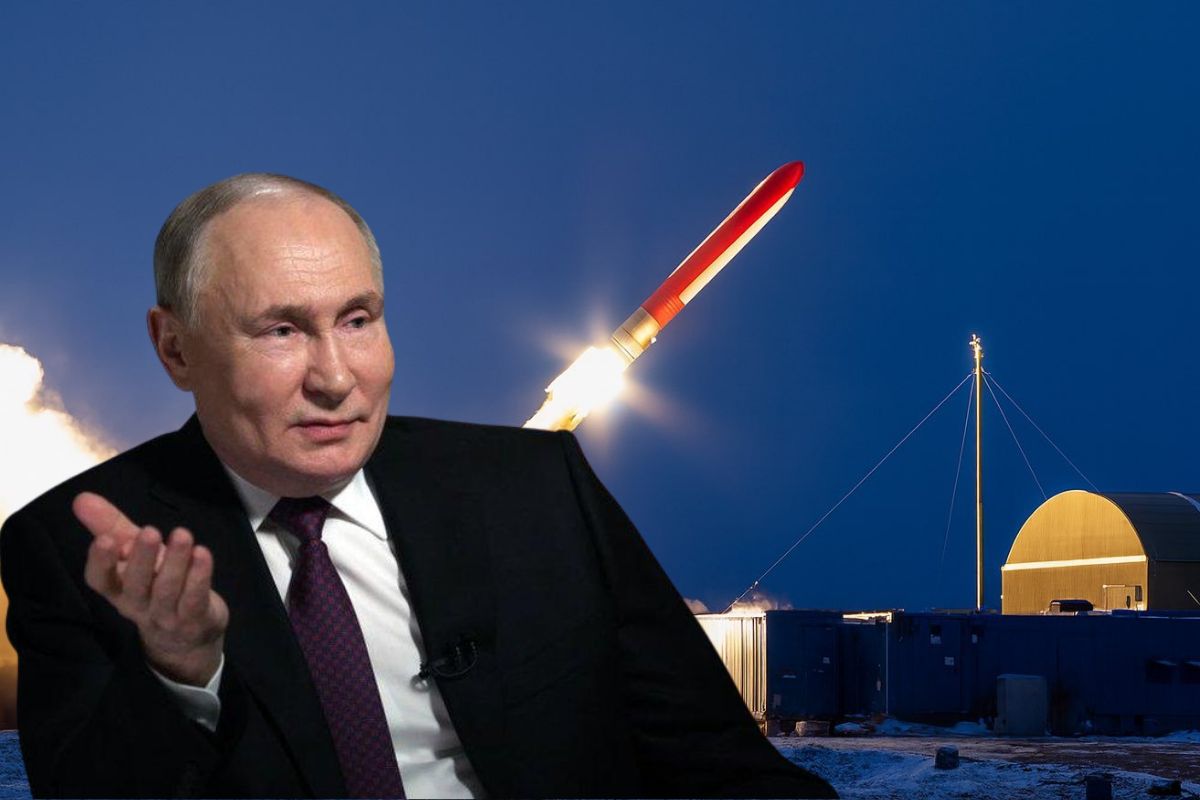
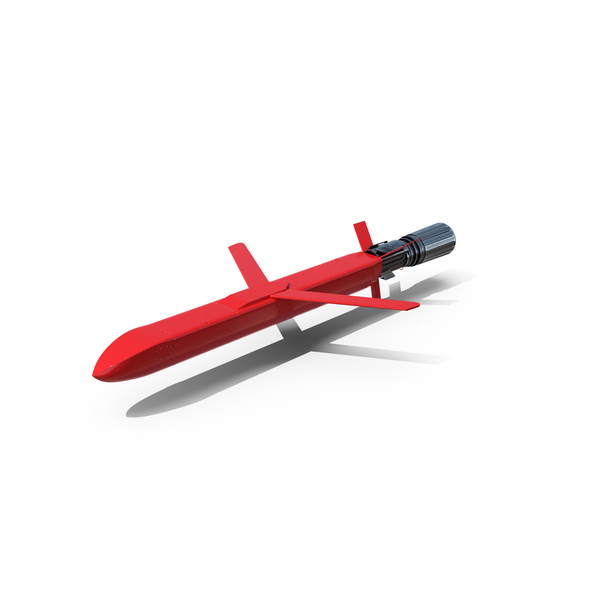
Russia’s recent announcement of the successful final test of its nuclear-powered Burevestnik cruise missile, known to NATO as SSC-X-9 Skyfall, has sent a significant message to the US and its allies. President Vladimir Putin proudly declared that this weapon, which has an almost unlimited range and an unpredictable flight path, is an ‘invincible’ system that no other nation possesses, effectively making it a game-changer in the global strategic balance. The Russian General Staff reported that the missile, during its key test on October 21, flew for about 15 hours on nuclear power, covering an astonishing 14,000 kilometres.
Why Burevestnik is a Major Headache for the West
The sheer capabilities of the Burevestnik missile present a massive strategic challenge to the United States and the North Atlantic Treaty Organization (NATO). Unlike conventional cruise missiles, which are limited by the amount of fuel they can carry, the Burevestnik is powered by a small nuclear reactor. This allows it to fly for extremely long durations potentially for days or weeks and take very circuitous, unexpected routes to its target. This makes it incredibly difficult for existing missile defence systems to track and intercept. The US and NATO have invested heavily in radar and interceptor systems designed to counter missiles flying predictable ballistic trajectories or shorter-range cruise missiles. The Burevestnik’s ability to fly low and slow, circle the globe, and approach from virtually any direction completely bypasses these defence shields. It essentially forces the US and NATO to rethink their entire missile defence architecture, a costly and time-consuming exercise.
A Revival of the Arms Race Tension
This successful test comes as a strong signal from Moscow about its military capabilities and its refusal to back down amidst mounting Western pressure, particularly over the conflict in Ukraine. For Putin, the Burevestnik is not just a weapon but a political tool to show the world that Russia’s nuclear deterrent forces are at the ‘highest level,’ superior to any other nuclear power. The deployment of such a weapon—which Russia’s leadership is now preparing infrastructure for raises the spectre of a new, dangerous arms race. During the Cold War, both the US and the Soviet Union worked on nuclear-powered missile concepts, but they were shelved due to safety concerns and technical difficulties. The fact that Russia has apparently overcome these hurdles forces Washington and Brussels to consider countermeasures, leading to an inevitable escalation in strategic competition.
Environmental and Safety Concerns
The weapon, however, is not without its risks. The use of a nuclear-powered engine has long raised concerns about radioactive contamination. An earlier failed test in 2019 reportedly caused a spike in radioactivity in the region and led to the tragic deaths of nuclear engineers. Military experts outside Russia remain cautious, pointing to the missile’s turbulent test history and the potential environmental catastrophe if a weapon with a nuclear reactor were to crash during flight or malfunction. Despite these severe risks, Russia’s push to deploy this unique and disruptive weapon clearly indicates its intent to maintain strategic superiority and challenge the dominance of the US-led military alliance on the world stage.

Deputy Editor, Prime Post
Anand Gantela is a seasoned media professional with nearly three decades of experience across the spectrum of Indian journalism. Having worked extensively in both print and broadcast media, he has held key positions at renowned outlets such as Prajashakthi, Andhra Bhoomi, Mudra, Media India, Siti Cable, Mana Telugu, and Maa TV. From ground-level reporting to managing news bureaus and overseeing bulletin production, Anand has witnessed the evolution of news firsthand. His wealth of experience reflects a deep understanding of the dynamic and ever- evolving landscape of news reporting.