- Cultivating Resilient Futures for the Farming Community
- Telangana’s Oil Palm Ranking Top in National Expansion
- The 20.1% OER Achievement
- Setting India’s Highest Standard for Oil Extraction
- Modernizing the Harvest
- A Look Inside-the Apparaopet and Siddipet Mills
- Telangana’s Oil Palm Revolution-Ranking Top in National Expansion
- Streamlining Fertilizer Supply and Expert Guidance
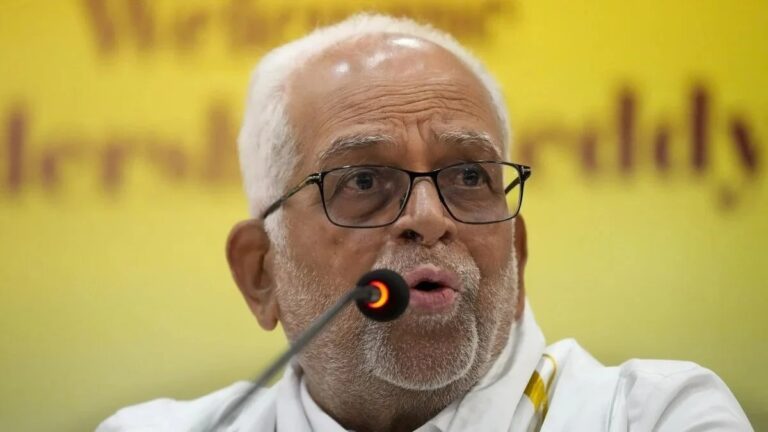
TGOILFED Chairman Janga Raghava Reddy, known for his commitment to farmer welfare, discusses the role of oil palm in boosting Telangana’s rural economy. In this interview with Prime Post, he explains why this crop is a game-changer for local growers.
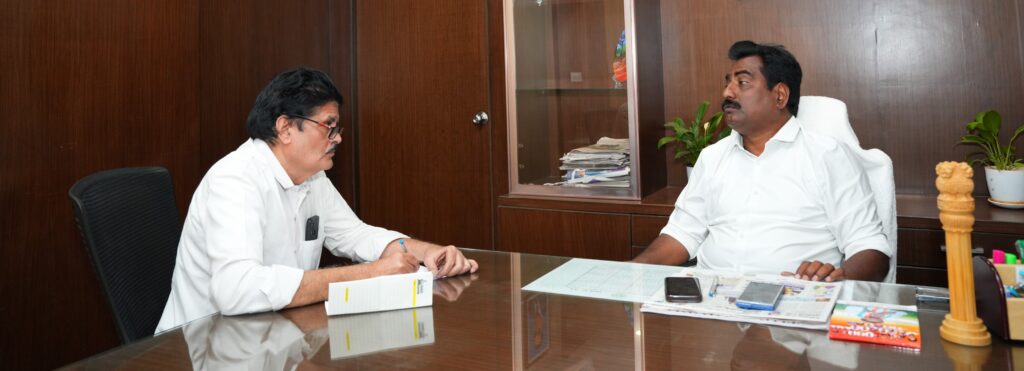
Prime Post: Compared to traditional crops like paddy, cotton, or chilli, how do you suggest oil palm is the superior choice for the farmers in Telangana?
Raghava Reddy: Oil palm cultivation is the best crop selection for farmers in Telangana when compared to other crops like paddy, cotton, and chilli. Farmers who raise oil palms do not need to worry about natural calamities such as cyclones or dry spells, as the crop is quite resilient.
The annual income from this crop typically ranges between Rs 1 lakh and Rs 2 lakh per acre per year without fail. While the oil palm yield begins only after four years, growers do not need to worry about a loss of income during this period. They can successfully raise intercrops such as paddy, green gram, banana, maize, groundnut, vegetables, ginger, and turmeric amidst the young plants to ensure a steady income during the initial growth phase.
PP: As the Chairman of TGOILFED, what are your plans to further assist oil palm growers in Telangana who are currently facing hurdles in securing inputs for their plantations?
Raghava Reddy: The Federation has decided to supply the fertilizers required for oil palm cultivation, ensuring that growers do not have to search elsewhere for their needs. These fertilizers will be available at oil palm factories and other designated centers. Furthermore, agricultural officers have undergone specialized training regarding this crop. They will conduct regular field visits to palm groves to monitor crop health and progress. These visits provide an opportunity for farmers to interact with experts and clear any doubts regarding pest management and optimal fertilizer application patterns.
PP: Growers allege that TGOILFED is ignoring the issue of curling saplings from its nurseries. Is the Federation replaced these defective plants, and how do you address these concerns?
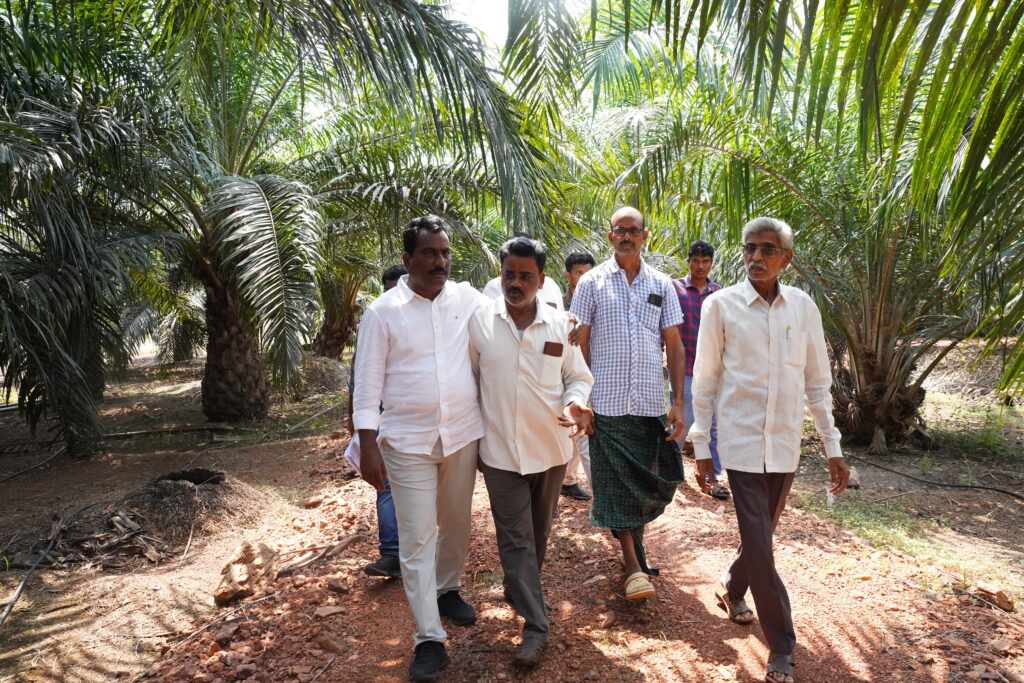
Raghava Reddy: Defective seedlings were supplied to a few farmers in the erstwhile Khammam district and other areas. OILFED recognized their concerns as genuine and took immediate steps to resolve the issue. With the support of our partners, we provided replacement plants free of cost and delivered them directly to the farmers’ fields without any transport charges. At OILFED, we view our saplings and our farmers as our own children. Our core mission is to ensure that no oil palm grower suffers from cultivation-related problems.
PP: Every day, the press reports on the hardships of farmers who have resorted to suicide due to crop failures and mounting debts. Fear surrounds the farming community, and many heirs of farmers are leaving agriculture behind. What is your message to these traditional farmers who are suffering while raising conventional crops?
Raghava Reddy: Yes, Oil palm cultivation provides a solution to all the issues mentioned. A farmer who shifts to oil palm will see a significant increase in income, but there is one thing they must remember: they must nurture the plants with great care for the first four years. By selecting the right intercrops, farmers can secure a steady income during the initial growth phase. After four years, the main yield begins, providing a respectable and consistent income. This is my personal assurance: a farmer owning 40 acres of oil palm will earn an income that exceeds that of an IAS officer. I can promise the educated unemployed youth can chose the palm cultivation without any doubts for assured income.
PP: The Apparaopet oil palm factory, operated by TGOILFED, has achieved an Oil Extraction Rate (OER) of 20.1%. Is this considered the highest OER in the industry?
Raghava Reddy: In India, an Oil Extraction Rate (OER) of 20.1% (which refers to the percentage of Crude Palm Oil or CPO) is considered the highest. This achievement is attributed to the commitment of the Minister for Agriculture, Tummala Nageswara Rao. It demonstrates that the cultivation patterns adopted by Telangana’s oil palm growers are ideal and fully aligned with global standards. This high OER recovery is a direct result of harvesting healthy Fresh Fruit Bunches (FFB). Consequently, we can say that the country’s oil palm industry is on a very promising and successful track.
PP: What is the current status of oil palm cultivation in Telangana? Is the state’s progress on the right track?
Raghava Reddy: Telangana has approximately 2.74 lakh acres (about 1.11 lakh hectares) currently under oil palm cultivation. In the current 2025-26 fiscal year alone (up to October 2025), the state added 30,000 acres, ranking it as one of the top two states in India. The number of palm growers target is one lakh by 2030 and cultivation area target is ten lakh acres by 2030, two lakh acres per year.
PP: Given that OILFED nurseries are the foundation of the oil palm sector, what steps are being taken to maintain high standards in their management? What is OILFED support to palm growers first four years?
Raghava Reddy: While a few mistakes occurred at the nurseries, they have since been rectified. Special officers are now monitoring the nurseries daily to ensure operations run smoothly. OILFED’s primary goal is to supply only healthy, high-quality saplings to our growers. To achieve this, we have appointed experts such as Adapa Kiran Kumar and are actively seeking guidance from prominent scientists like M. Laxmi Prasad. Their expertise ensures that our nursery management aligns with the highest technical standards. The growers will get Rs 26,000 subsidy and Rs 5000 for second and third years. Along with the drip irrigation subsidy is ranging 80 to 100 percent.

PP: What is the progress of the other oil palm crushing mills in Telangana, and are they operating efficiently?
Raghava Reddy: The Apparaopet Oil Palm Factory in the Bhadradri Kothagudem district is a flagship facility for TGOILFED (Telangana State Co-operative Oilseeds Growers Federation). It is currently recognized as one of the most efficient and technologically advanced mills in India. The facility is designed to process up to 2.7 lakh Metric Tonnes (MT) of Fresh Fruit Bunches (FFB) annually. Originally established in 2017 with a 30 TPH capacity, it was upgraded to 60 TPH in 2020 and reached its current 90 TPH status in 2021. The factory has achieved a record 20.1% OER. Aswaraopet factory is designed to process approximately 90,000 Metric Tonnes (MT) of Fresh Fruit Bunches (FFB) per year. The two factories achieved 20.1 per cent Oil Extraction Rate. Siddipet mill started with a crushing capacity of 30 Tonnes Per Hour (TPH) and Kallurugudem will commenced production soon.
Editor, Prime Post
Ravindra Seshu Amaravadi, is a senior journalist with 38 years of experience in Telugu, English news papers and electronic media. He worked in Udayam as a sub-editor and reporter. Later, he was associated with Andhra Pradesh Times, Gemini news, Deccan Chronicle, HMTV and The Hans India. Earlier, he was involved in the research work of All India Kisan Sabha on suicides of cotton farmers. In Deccan Chronicle, he exposed the problems of subabul and chilli farmers and malpractices that took place in various government departments.