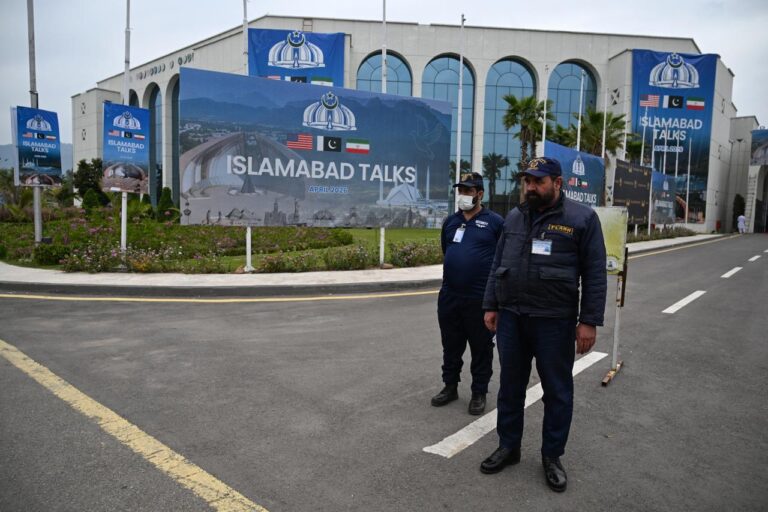
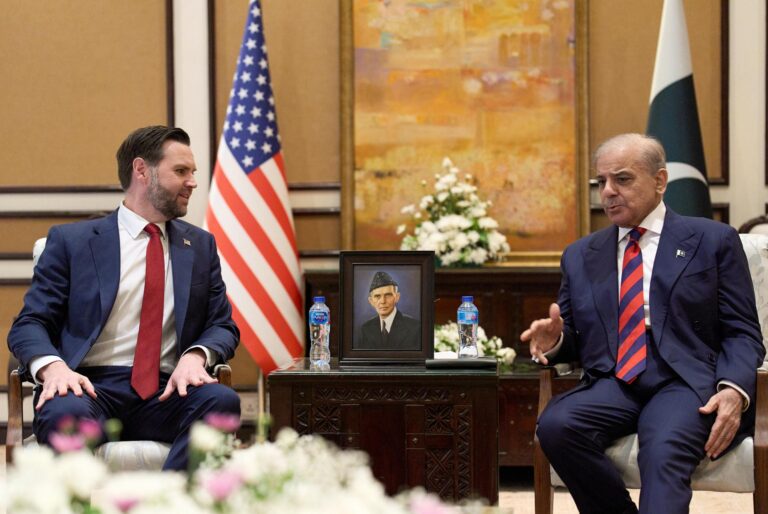
The historic attempt to fix relations between the United States and Iran ended without success in Islamabad. Despite high hopes for peace in West Asia, the high-level meeting collapsed as both sides failed to agree on key terms. After 21 hours of intense discussions, the delegations left the table, resulting in a diplomatic stalemate that keeps the region in a state of uncertainty.
The Nuclear Stumbling Block
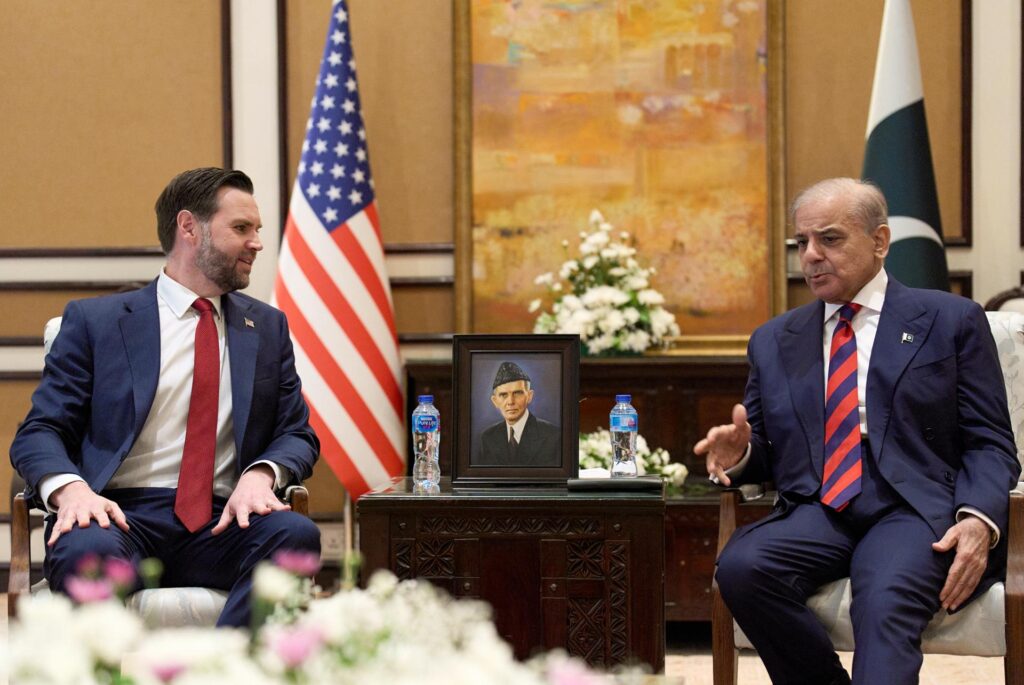
The main reason for the failure was a disagreement over nuclear conditions. The U.S. delegation, led by Vice President JD Vance, made it clear that a total ban on building nuclear weapons was a non-negotiable “red line.” Vance stated that the U.S. had put forward its “final and best offer,” but Iran refused to accept the strict conditions. He warned that while the failure is bad for everyone, the consequences—likely referring to continued sanctions and isolation—would hurt Iran much more than the United States.
Accusations of “Irrational Demands”
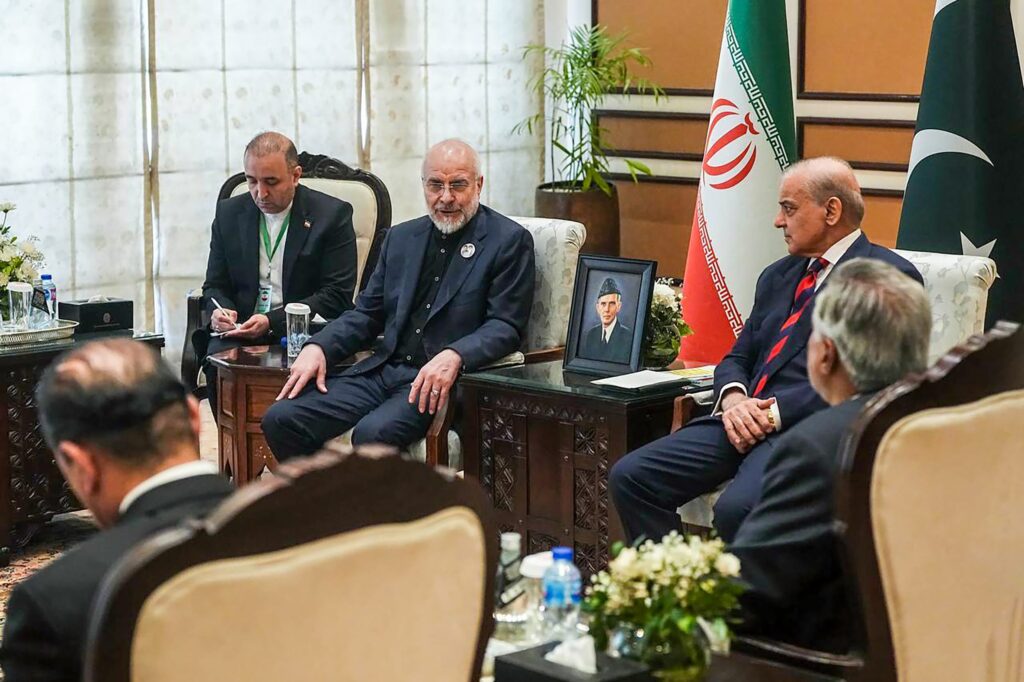
On the other side, Iran’s state media (IRIB) painted a very different picture. They claimed their representatives worked tirelessly to protect the “national interests” of the Iranian people. According to the Iranian delegation, the talks failed because the American side brought “irrational demands” to the table that made any real progress impossible. Because of this perceived unfairness, Iran felt they could not sign the agreement.
A Missed Historic Opportunity
This meeting was the first of its kind in decades. Since the 1979 Islamic Revolution, these two nations have rarely spoken directly at such a high level. The presence of powerful figures like Jared Kushner and Steve Witkoff from the U.S. side, and Parliamentary Speaker Mohammad Baqer Qalibaf from the Iranian side, showed how serious the attempt was. Unfortunately, the deep-rooted distrust between the two countries proved too strong to overcome, leaving the peace process in ruins for now.

Deputy Editor, Prime Post
Anand Gantela is a seasoned media professional with nearly three decades of experience across the spectrum of Indian journalism. Having worked extensively in both print and broadcast media, he has held key positions at renowned outlets such as Prajashakthi, Andhra Bhoomi, Mudra, Media India, Siti Cable, Mana Telugu, and Maa TV. From ground-level reporting to managing news bureaus and overseeing bulletin production, Anand has witnessed the evolution of news firsthand. His wealth of experience reflects a deep understanding of the dynamic and ever- evolving landscape of news reporting.