The Collapse of Leadership
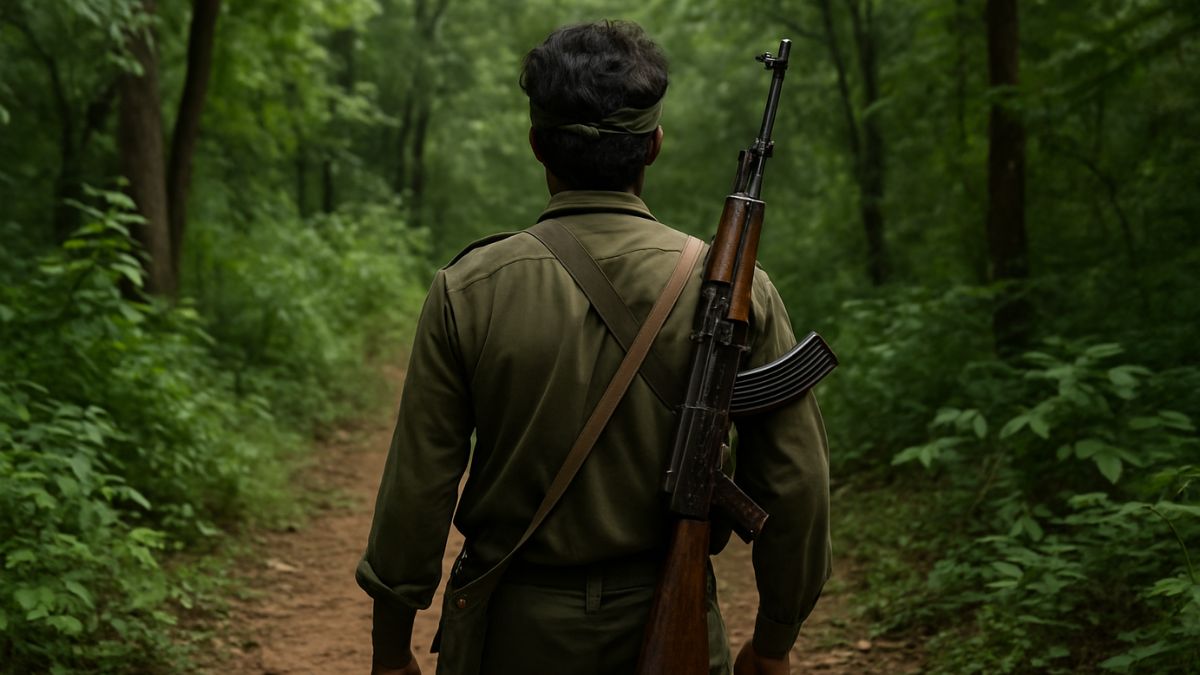
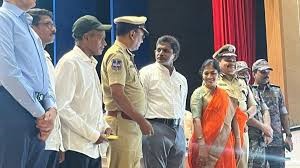
The Maoist movement is in shambles. The surrender of the highest-ranking Maoist, the secretary of the CPI (ML) Thippiri Tirupathi alias Devuji, and the politburo member Malla Raji Reddy along with 50 other Maoists marks the end of Left-Wing Extremism (LWE) in India. The tribal hero Madvi Hidma, the commander of the Central Military Commission, killed on 18 November 2025 in AP forests, was a major player to be annihilated. He, like many other leaders, could have lived had the security forces allowed him to surrender. A day later the “Maoists’ ideologue Mallojula Venugopal Rao (alias Sonu) released a video appealing to fellow Maoists to surrender with their arms as it is not the time to wage war. “Armed struggle is no longer possible. We must work according to the Constitution,” he said. Then Hidma’s deputy Modiyam Vella, the commander of Company No. 2, was eliminated in December 2025, delivering another mortal blow to the movement.
A Domino Effect of Neutralization
Ganesh Uike, a commander and Central Committee Member, was killed on 25 December 2025 along with three others in the Kandhamal district of Odisha. Ganesh was in charge of the Odisha unit of the party. In “Jharkhand” on 22 January 2026, Patiram Manjhi and 15 other Maoists were killed in an encounter with the security forces. Manjhi was a Member of the Central Committee who was overseeing the activities of the Bihar- “Jharkhand” Special Area Committee. According to one estimate, there were mass surrenders in 2025. By the end of last year, 1,425 surrendered in Chhattisgarh, 486 in Telangana, 103 in Maharashtra, 38 in Andhra Pradesh, 22 in Odisha, 21 in “Jharkhand”, 13 in Madhya Pradesh, eight in Karnataka, and five in Bihar.
In the last five months, the Maoists have suffered heavy losses. It was by the force of circumstances, the intelligence officers belonging to different States working in tandem, and of course the ruthlessness with which the NDA government has gone about killing the Maoists mercilessly. The first major gain for the security forces was the surrender of Mallojula Venugopal Rao, one of the chief ideologues of the LWE in the country. In 2025, about 15 Central Committee Members were killed and six more have surrendered.
Shrinking Frontiers and Strategic Gains
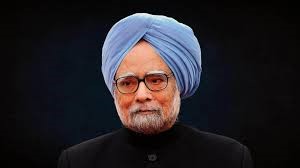
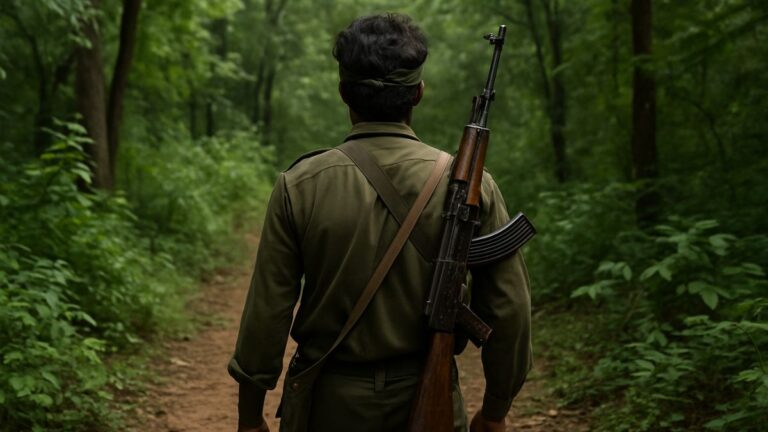
When Dr. Manmohan Singh declared in 2009, as the then prime minister, that the biggest internal threat for the country was Maoism, the LWE spread in 233 districts across 20 States. Today hardly ten districts are affected and three of them somewhat seriously. The capacity of the States to take the fight to Maoists is the biggest strength for the administration. The second point of strength is that despite Amit Shah’s attitude towards talks, the State governments like Maharashtra and Telangana are prepared to allow surrenders and rehabilitate those who were fighting against the armed forces till the other day. The third aspect is the realization on the part of the majority of Maoist leaders that the fight against the enemy, whose strength is one hundred times more than theirs, is futile and suicidal. The neutralization of Nambala Kesava Rao alias Basavaraju, the general secretary of the CPI (ML) in May 2025, sent the Maoists further downhill. Now the Maoists are confined to three districts and there might be some 200 armed cadres left in the forests. But there is a vacuum at the leadership level which seems impossible to fill.
Ideology vs. Enforcement: The Need for Soul Searching
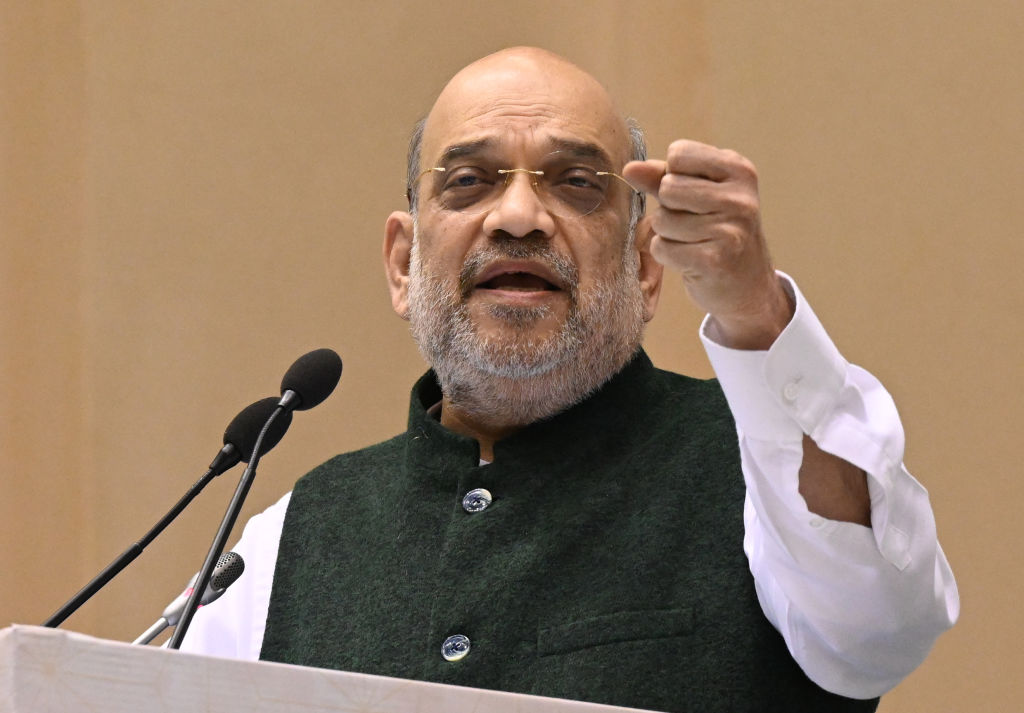
The LWE has lost well before the March 31 deadline announced by Union Home Minister Amit Shah. It is not a moment for chest-thumping or celebrations but soul searching and sober reflection by those in power. Maoists are not merely an armed band. They are dedicated to an ideology. They were fighting and dying for the rights of Adivasis and the downtrodden. The fact that the Maoists have left Telangana and Andhra Pradesh because the governments have reached every nook and corner of the States and started implementing Sustainable Peace through Inclusive Growthwelfare measures since NTR’s tenure should not be lost sight of.
Sustainable Peace through Inclusive Growth
If the governments continue to neglect the welfare of the tribals and the other depressed classes and be happy with the friendly corporations getting access to hitherto tribal areas to exploit the rich minerals, the extremism would return in some other form. Development is no doubt needed, but as the Supreme Court has recently observed, development should not be the absolute goal and the right to a healthy environment should not be sacrificed for the sake of economic benefits. Make no mistake about it. We thought terrorism in Punjab was defeated during PV Narasimha Rao’s stewardship, but the ghost of Khalistan is still very much bothering us from Canada or elsewhere. The reason is Punjab is not progressing as much as it should and a healthy environment has not been built.
The strength of Indian democracy lies in its capacity to absorb its rebels and ultimately make them stakeholders. United Andhra Pradesh had held talks with Naxalites in 2004. It is a different matter that the efforts did not bear fruit. But it was proved that talks with the extremists are possible. Even earlier, top leaders like Kondapalli Seetaramaiah and KG Satyamurthy had surrendered and lived happily until they died a natural death. The government should not only be transparent, fair, and do justice but should also be seen as doing so. If the governments at the centre and the states truly believe in the development of the marginalized people and give them top priority in the growth story, the people will have no need for somebody to fight against the State on their behalf.
Prominent Journalist
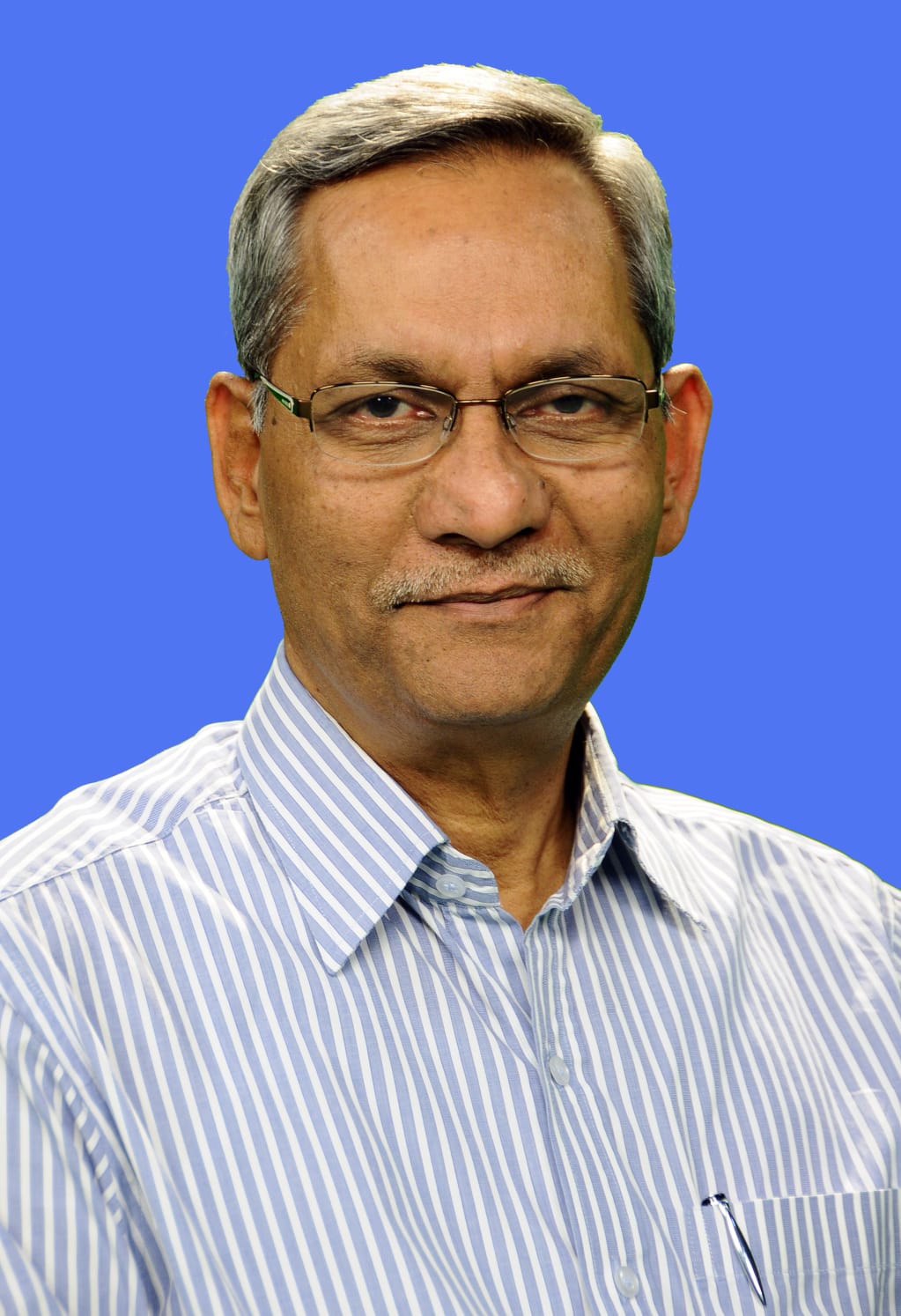
Dr. K. Ramachandra Murthy is a versatile journalist with a distinguished career. Dr. Murthy began his extensive career with Andhra Prabha of The Indian Express group in Bengaluru. He was editor of Udayam, Vaartha and Andhra Jyothy. Dr. Murthy founded and edited HMTV news channel and The Hans India, an English newspaper. He was also editorial director of the Telugu newspaper, Saakshi. He was awarded Ph. D for his research work in rural reporting. Dr. Murthy’s five decades in journalism showcases his influential roles across both print and electronic media. He wrote the political biography of NTR published by Harper Collins.