US President Donald Trump’s bold declaration, “The war is over. This is a great day. This is a new beginning,” rings with a distinct tone of triumph, but a deeper look into the present situation and underlying trends suggests a more cautious interpretation: the war may be paused, but the fundamental conflict is far from resolved.
Monday’s release of all 20 live Israeli hostages to the Red Cross, a two-phase operation, is a monumental and emotional breakthrough, bringing immense relief to Israel after nearly two years of devastating conflict. This successful exchange the first phase of a broader ceasefire agreement that will see thousands of Palestinian prisoners released serves as the most tangible sign of progress and the chief reason for President Trump’s optimistic assessment during his visit to Israel. His scheduled address to the Knesset and subsequent co-chairing of a “peace summit” in Egypt underscores the high-stakes US commitment to this deal.
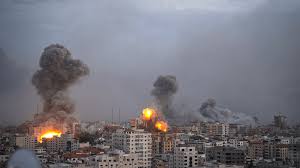
However, the question remains: Is the war truly over?
A Cessation of Hostilities, Not a Resolution of Conflict
While the guns have fallen silent and the exchange is underway, the current situation is best described as a highly fragile ceasefire, not a conclusive end to the war. Several critical factors challenge the narrative of a definitive “new beginning”:
Unresolved Core Issues: The deal, brokered by the US, Qatar, and Egypt, is essentially a phased humanitarian and temporary security agreement. Crucial long-term issues remain fiercely contested:
- The Fate of Hamas: President Trump asserted that Hamas would disarm, yet the organization has publicly refused this demand, vowing to remain committed to its cause. Israel and Western powers have also ruled out a role for Hamas in Gaza’s future governance. The gap between these positions is vast.
- Gaza’s Governance: Who will govern the devastated enclave after Israel’s expected partial troop withdrawal? The plan proposes an Arab-led international security force and a Palestinian technocratic government, but details are fluid and the Palestinian Authority’s role, rejected by some Israeli hardliners, is uncertain.
- Full Israeli Withdrawal: Hamas seeks a guarantee of a full Israeli pullout from Gaza, a demand that remains a sticking point in the broader agreement.
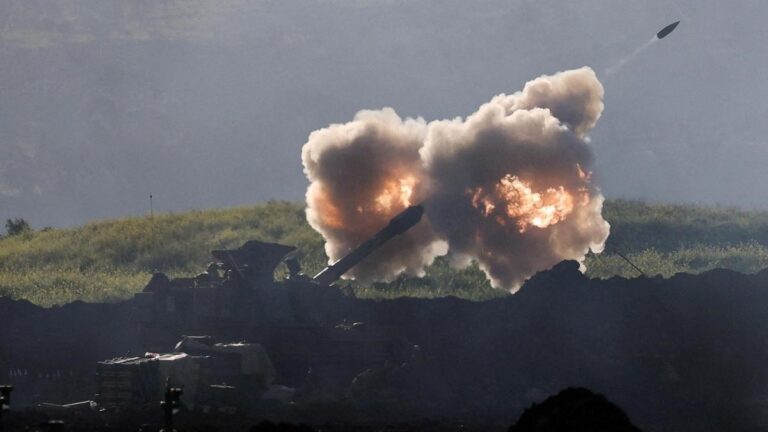
The Scale of Destruction: The war has laid waste to vast swathes of Gaza, displaced around 90% of its two million residents, and resulted in a dire humanitarian crisis, including widespread famine in some areas. The sheer scale of rebuilding and healing required means the “war” of survival and recovery has only just begun for the Palestinian population.
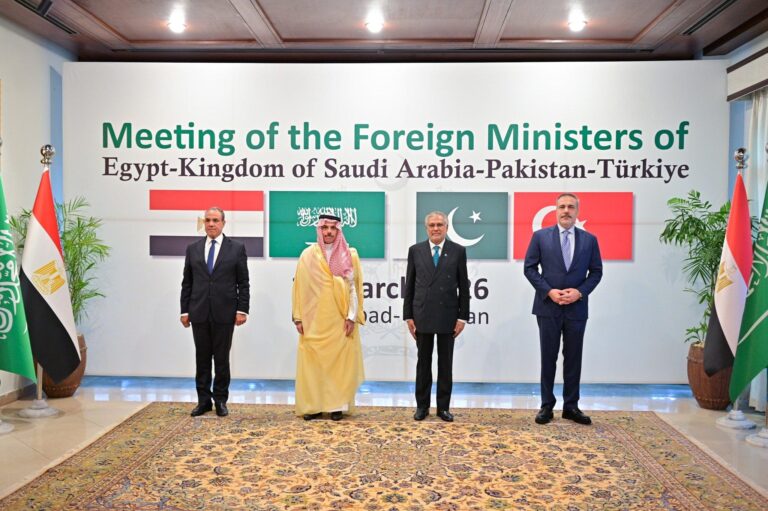
Diplomatic Hesitation: While regional and international leaders, including those from key European nations, are gathering in Egypt to support the ceasefire, the absence of both Israeli and Hamas representatives at the formal signing in Egypt is a tell-tale sign of the deep mistrust and the indirect nature of the peace process. Prime Minister Netanyahu, while celebrating the return of the hostages, has also stated, “the fight is not over,” indicating an open door to a resumption of military action if the agreement falters or Israel’s security concerns are not met.
Trends and Looking Ahead
The current moment marks a significant shift, creating both opportunities and extreme risks:
Humanitarian Focus: The immediate trend is a critical surge in humanitarian aid, with hundreds of trucks expected to enter Gaza daily. Sustained, unhindered aid is crucial to prevent the collapse of the ceasefire under the weight of a deepening humanitarian catastrophe.
Political Re-Shuffling: President Trump’s highly publicized role in securing the deal elevates the importance of US involvement in future regional stability. His “victory lap” is aimed at translating this initial success into a durable peace framework, potentially accelerating a regional “normalization” trend he alluded to.
Security Risk: The delicate process of the prisoner-hostage exchange, set to see approximately 2,000 Palestinian prisoners released, is fraught with tension. Any perceived violation or intentional delay by either side, or localized flare-ups, could easily shatter the truce and plunge the region back into full-scale war.
The return of the hostages is a moment of profound national relief and a major diplomatic victory. It is the first critical step toward de-escalation, but President Trump’s declaration that the “war is over” is, at best, premature. The region stands at a knife’s edge: the fighting has ceased, but the political, existential, and humanitarian conflicts that fuel the violence are simply in abeyance, awaiting the next, far more challenging phase of negotiation.

Deputy Editor, Prime Post
Anand Gantela is a seasoned media professional with nearly three decades of experience across the spectrum of Indian journalism. Having worked extensively in both print and broadcast media, he has held key positions at renowned outlets such as Prajashakthi, Andhra Bhoomi, Mudra, Media India, Siti Cable, Mana Telugu, and Maa TV. From ground-level reporting to managing news bureaus and overseeing bulletin production, Anand has witnessed the evolution of news firsthand. His wealth of experience reflects a deep understanding of the dynamic and ever- evolving landscape of news reporting.