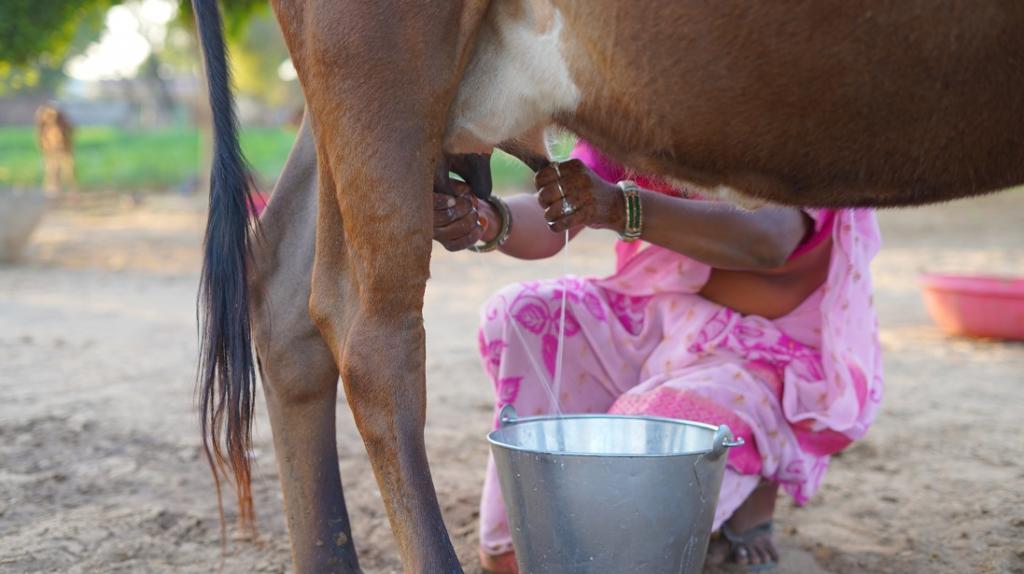
The Indira Dairy Project in the Madhira Assembly constituency, led by Telangana Deputy Chief Minister Mallu Bhatti Vikramarka, is a major initiative designed to bring big financial changes to rural areas. It’s much more than just giving away cows; it’s a detailed plan to empower over 50,000 women from Self-Help Groups (SHGs) by tapping into the steady income potential of the dairy sector. The core of the project is to give each woman two high-quality milch animals along with a strong support system. This support includes free, regular veterinary healthcare, with monthly check-ups and dedicated veterinary ambulance services, which is vital for high milk production.
Importantly, the scheme addresses the need for animal feed by engaging local unemployed youth to cultivate and supply quality cattle feed. This clever link provides raw material for the dairy units while creating a new job and income source in the villages themselves. The long-term goal is to set up a massive, women-owned and women-operated dairy industrial unit in Bonakal.
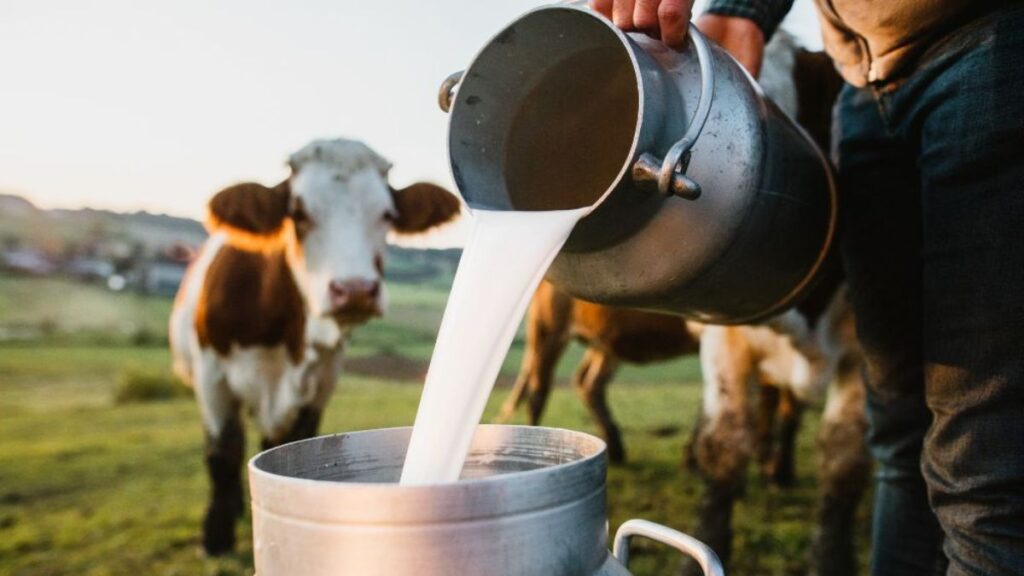
This unit will handle all the collection, chilling, processing, and marketing, ensuring that the maximum profit directly returns to the women members, who will also be shareholders in the cooperative. The project aims for an impressive daily milk production of over 2.4 lakh litres, targeting an annual turnover of up to Rs. 1,000 crore within five years. This huge revenue will significantly boost the rural economy of Madhira, directly improving the per capita income of thousands of families.
Boosting Women’s Financial Power and Social Change
The Indira Dairy Project’s positive impact goes far beyond just money; it’s a driving force for social change and women’s empowerment at the local level. By putting the ownership and running of the dairy units directly in the hands of SHG women, the scheme promotes business skills and financial independence.
The daily income from milk sales gives these women greater say in household and community decisions, transforming them from primarily homemakers into key family income earners. This change is crucial for achieving real gender equality in rural areas. The cooperative structure teaches the women essential skills in business management, quality control, accounting, and collective bargaining, turning them into skilled micro-entrepreneurs.
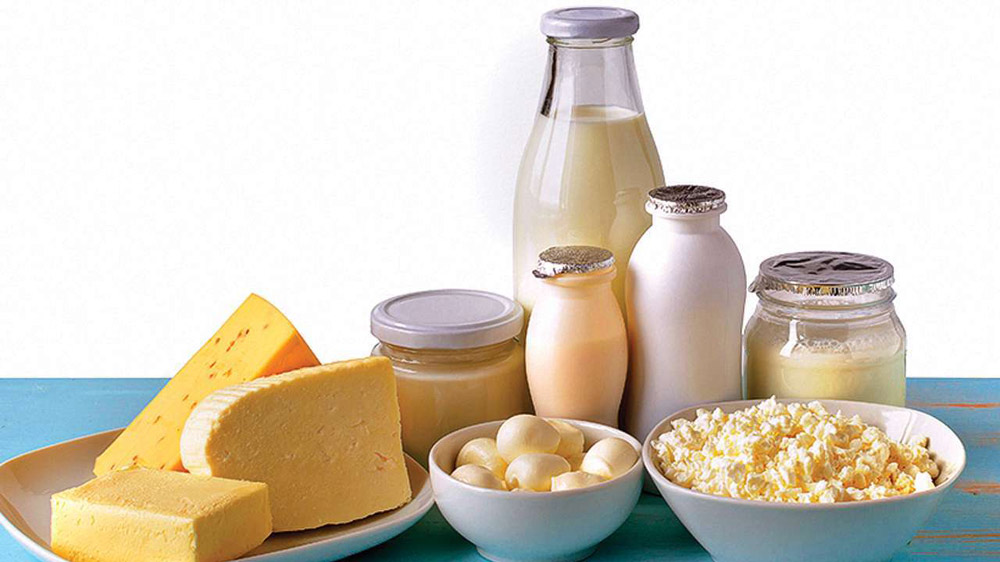
Moreover, the project creates a chain reaction of indirect employment. The demand for cattle sheds, equipment, transport, and especially fodder cultivation creates non-dairy related jobs across the constituency’s five mandals. Unemployed youth are encouraged to use their agricultural land to grow high-yield fodder, becoming reliable suppliers for the entire dairy network. This combination of farming and dairy creates a diverse and stronger rural economy. By producing value-added products like ghee, butter, buttermilk, and sweets, in addition to liquid milk, the project aims to further increase the income of the women shareholders, strengthening their financial self-reliance and encouraging a spirit of cooperative business.
Smart Planning for Long-Term Success
The implementation of the project is focused on sustainability and strong management, making it a model that can be copied in other regions. Deputy CM Vikramarka is actively overseeing the plan, which revives an idea first thought of in 2013. The phased approach is key to success: starting with a target of about 20,000 women getting animals in the first year, followed by later phases to cover all 50,000-plus SHG members. Some animals have already been given out in the first phase, and beneficiaries for the second phase are currently being selected. This step-by-step expansion allows the necessary support facilities, like Bulk Milk Cooling (BMC) centres and procurement networks, to be built properly without overwhelming the system. Crucially, the scheme is designed to include everyone: a directive ensures that even women without land are eligible for cows, and special priority is given to those who do not currently own cattle, ensuring that the benefits reach the most disadvantaged people. Furthermore, every animal will receive a Health Card noting its milk yield and medical history, adding transparency and professional management, which maximizes productivity.
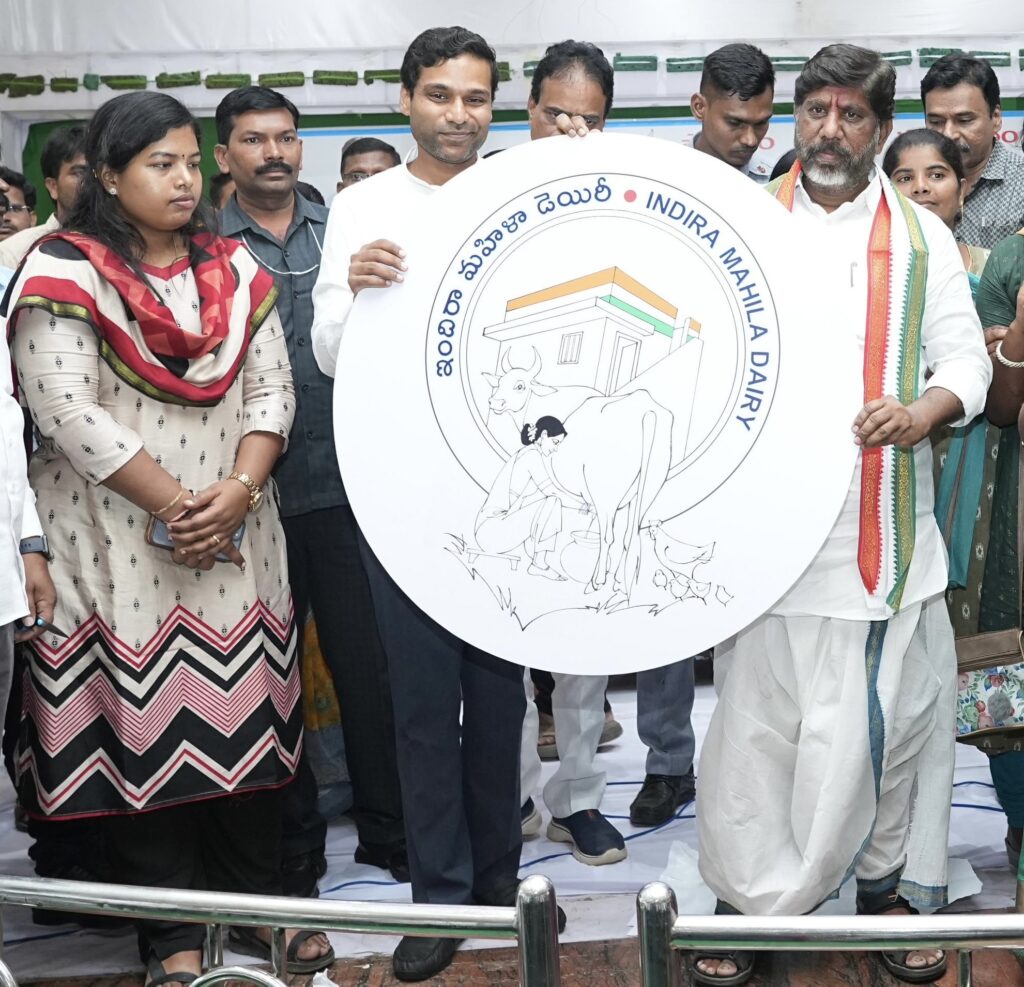
(Indira Mahila Dairy ‘Logo’ Unveiled by Deputy Chief Minister Mallu Bhatti Vikramarka – File Photo)
The focus on setting up a major dairy industry in Bonakal, on par with famous brands like Amul and Vijaya, shows a long-term commitment to quality and market-driven production. This industrial approach guarantees a stable and competitive market for the women’s milk, protecting them from sudden local price drops and ensuring they receive fair payment for their effort. As part of this, Deputy Chief Minister Mallu Bhatti Vikramarka recently laid the foundation stone for the boundary wall of this industry in Bonakal, which will be constructed at a cost of 70 lakh rupees.
A Model for Self-Reliant Rural India
In summary, the Indira Dairy Project is an important political and developmental commitment, showing how the cooperative model can be used to reduce poverty and create wealth at the grassroots level. Its success in Madhira will be measured not just by the projected Rs. 1,000 crore turnover, but by the transformation of over 50,000 rural women into financially independent entrepreneurs.
By providing quality livestock, integrated healthcare, guaranteed fodder supply, and a dedicated, women-run processing and marketing channel, the project creates a complete value chain that keeps the wealth within the community. It serves as a powerful example of how government-backed initiatives, when planned with a long-term vision and focused on building women’s capacity, can effectively narrow the gap between rural and urban economies, ushering in a new era of self-reliance in rural Telangana.
Deputy Chief Minister Mallu Bhatti Vikramarka’s strong push to make Madhira an national inspiration in dairy production highlights the belief that empowering the women of the village is the surest way to achieve lasting and fair regional development.
Deputy Editor, Prime Post
Anand Gantela is a seasoned media professional with nearly three decades of experience across the spectrum of Indian journalism. Having worked extensively in both print and broadcast media, he has held key positions at renowned outlets such as Prajashakthi, Andhra Bhoomi, Mudra, Media India, Siti Cable, Mana Telugu, and Maa TV. From ground-level reporting to managing news bureaus and overseeing bulletin production, Anand has witnessed the evolution of news firsthand. His wealth of experience reflects a deep understanding of the dynamic and ever- evolving landscape of news reporting.