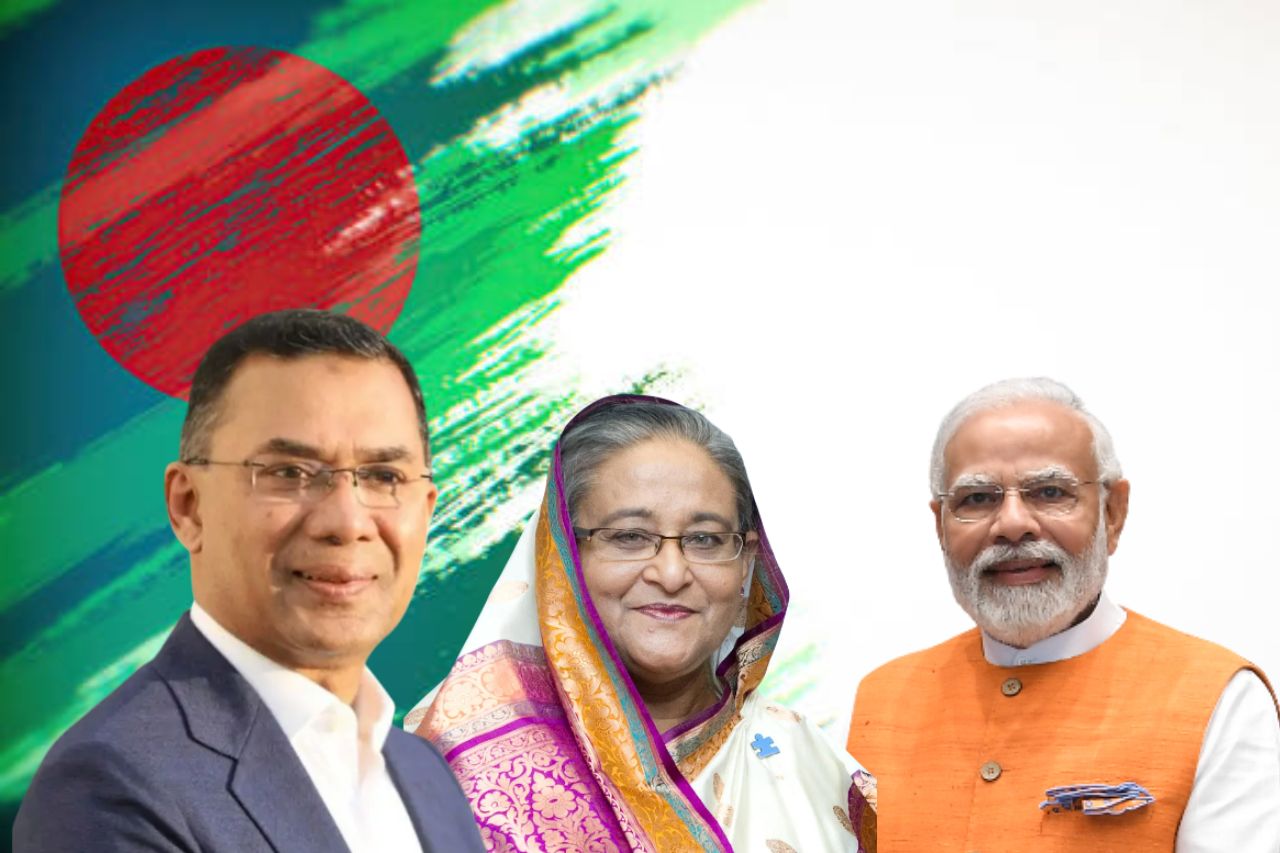
The 2026 victory of the Bangladesh Nationalist Party (BNP) marks a defining moment for India’s “Neighborhood First” policy. After years of a deeply synchronized relationship with the Awami League, New Delhi now faces the task of recalibrating its strategy to engage with a new leadership under Tarique Rahman. This transition is not just a change of government in Dhaka; it is a significant test of India’s ability to maintain regional influence and stability amidst shifting political tides.
Navigating a Strategic Shift
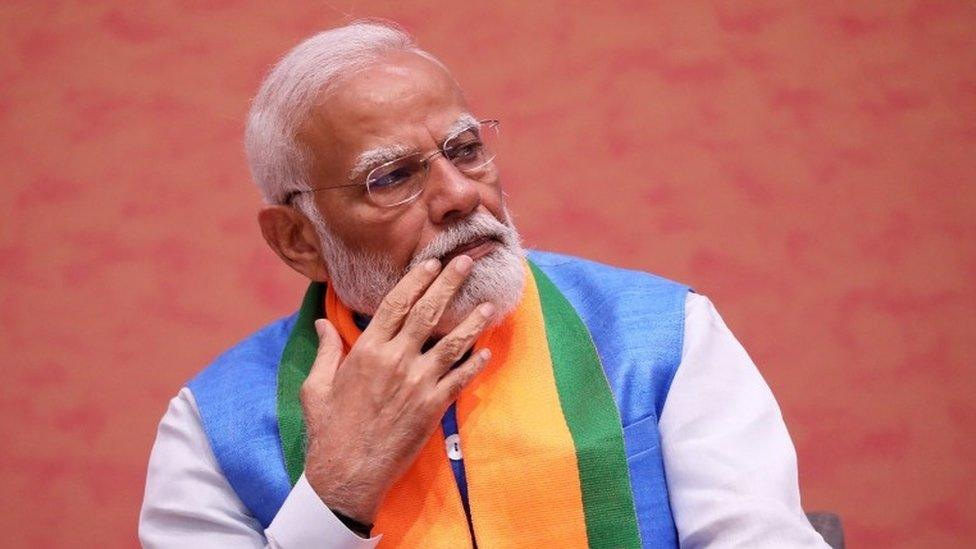
India’s “Neighborhood First” policy has long prioritized stability, security, and connectivity. However, the landslide victory of the BNP, securing over 200 seats, brings back a party that has historically had a complex and sometimes friction-filled relationship with India. Prime Minister Narendra Modi’s proactive outreach congratulating Tarique Rahman and emphasizing support for a “democratic and progressive” Bangladesh shows that India is moving away from party-centric diplomacy toward a state-to-state partnership. The goal is to ensure that the “Golden Chapter” of ties does not fade but evolves into a more pragmatic and mutually respectful era.
Security and the “Northeast” Challenge
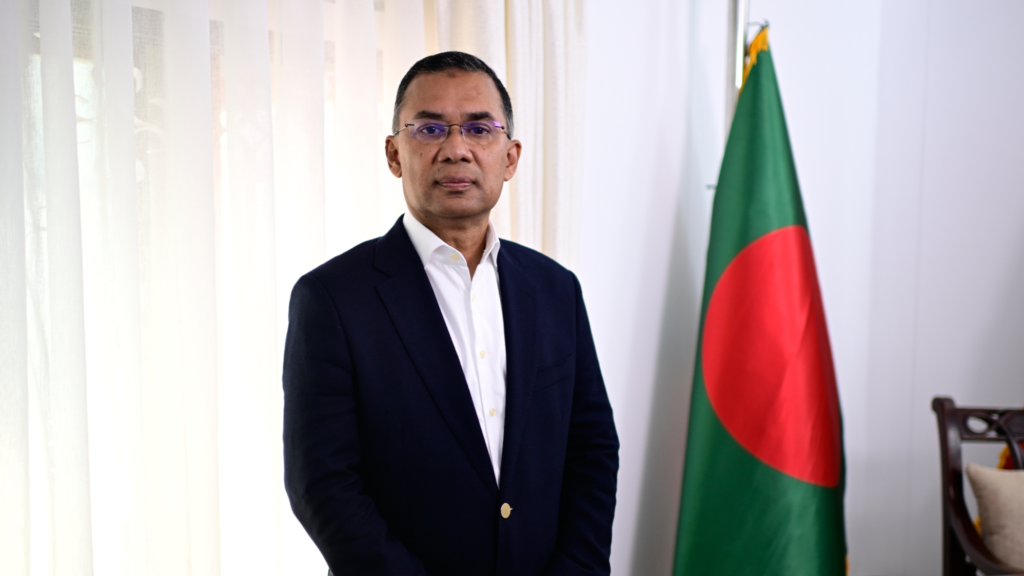
One of the biggest tests for this policy lies in security cooperation. In the past, India had concerns about insurgent groups from its Northeast region finding shelter in Bangladesh. A key pillar of India’s current strategy is ensuring that the new government remains committed to its “zero-tolerance” policy toward terrorism. While Tarique Rahman has signaled a “Bangladesh First” approach, he has also hinted at a more balanced foreign policy. For India, the challenge is to ensure that this balance does not open doors for regional rivals like China or Pakistan to gain a strategic foothold that could threaten India’s security interests, particularly near the vulnerable “Chicken’s Neck” corridor.
Economic Realism and Connectivity
Despite political changes, the economic logic of the relationship remains undeniable. Bangladesh is India’s largest trading partner in South Asia, and India is a critical market for Bangladeshi goods. The “Neighborhood First” policy has invested heavily in infrastructure—such as the Agartala-Akhaura rail link and various energy pipelines. For the BNP government, maintaining these links is essential for domestic economic stability and tackling inflation. India’s challenge will be to push forward with the Comprehensive Economic Partnership Agreement (CEPA) while addressing “irritants” like border management and the long-pending Teesta water-sharing treaty, which remains a highly sensitive issue for the Bangladeshi public.
Managing the “Hasina Factor”
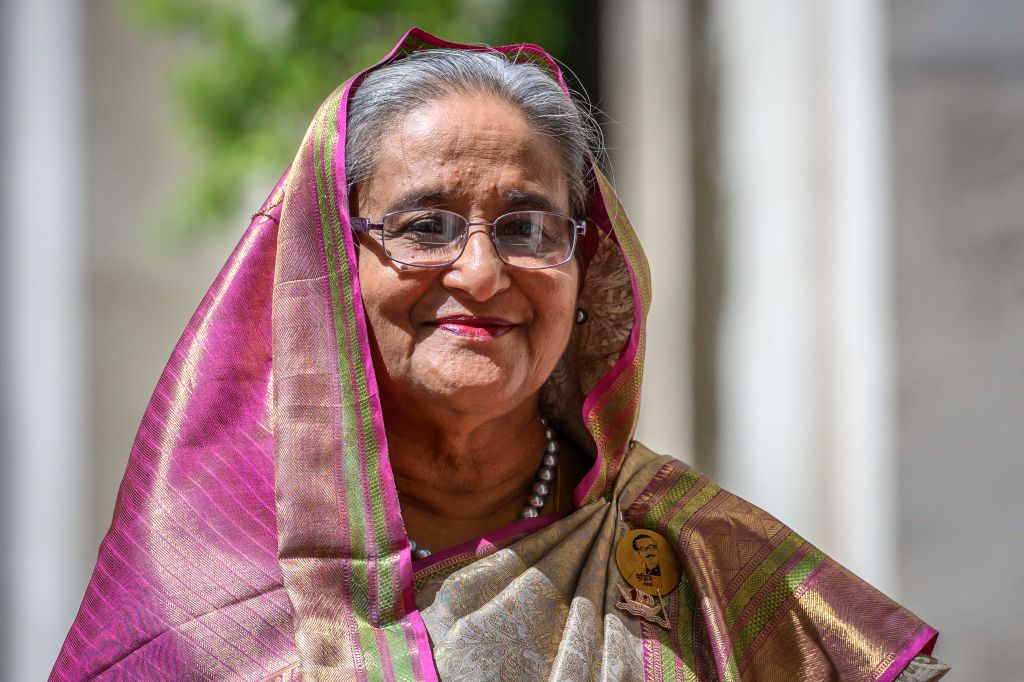
Perhaps the most delicate diplomatic hurdle is the presence of former Prime Minister Sheikh Hasina in India. With the new government in Dhaka facing domestic pressure to seek her extradition, India finds itself in a difficult position. Balancing its humanitarian and historical obligations to an old ally while building a functional relationship with the new leadership will require high-level diplomatic finesse. The “Neighborhood First” policy is now being tested on its ability to transcend individual personalities and focus on the collective well-being of the 170 million people in Bangladesh.
The Road Ahead
As 2026 progresses, India’s success will depend on its “soft power” and its ability to remain a reliable partner in development. By focusing on Samman (Respect) and Samvad (Dialogue), India can help ensure that Bangladesh remains a sovereign, stable, and prosperous neighbor. The transition in Dhaka is an opportunity for India to prove that its commitment to its neighbors is rooted in geographical and cultural permanence rather than temporary political alignments.
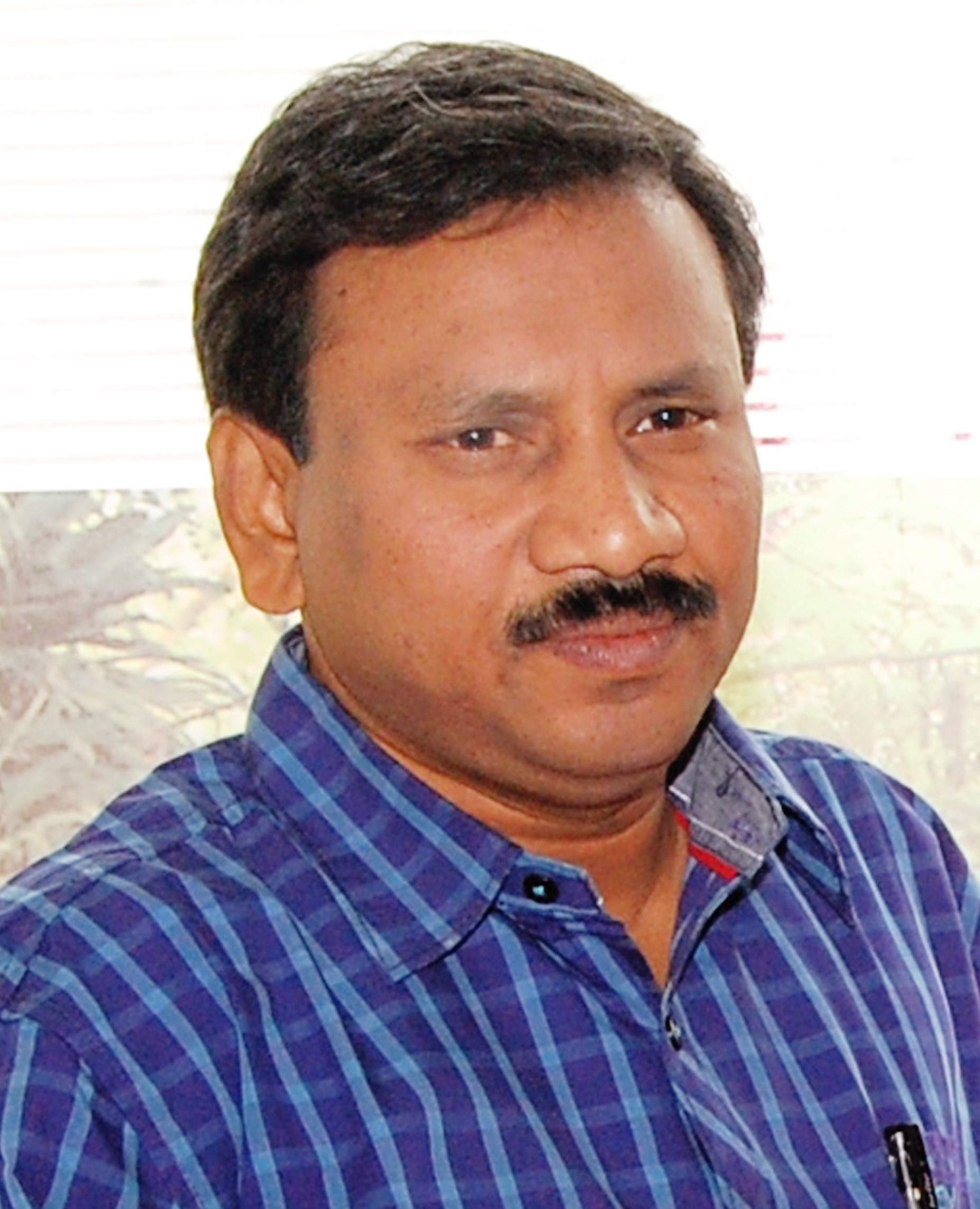
Deputy Editor, Prime Post
Anand Gantela is a seasoned media professional with nearly three decades of experience across the spectrum of Indian journalism. Having worked extensively in both print and broadcast media, he has held key positions at renowned outlets such as Prajashakthi, Andhra Bhoomi, Mudra, Media India, Siti Cable, Mana Telugu, and Maa TV. From ground-level reporting to managing news bureaus and overseeing bulletin production, Anand has witnessed the evolution of news firsthand. His wealth of experience reflects a deep understanding of the dynamic and ever- evolving landscape of news reporting.