- War Risks, Russian Discounts, and the Burden on the Common Man
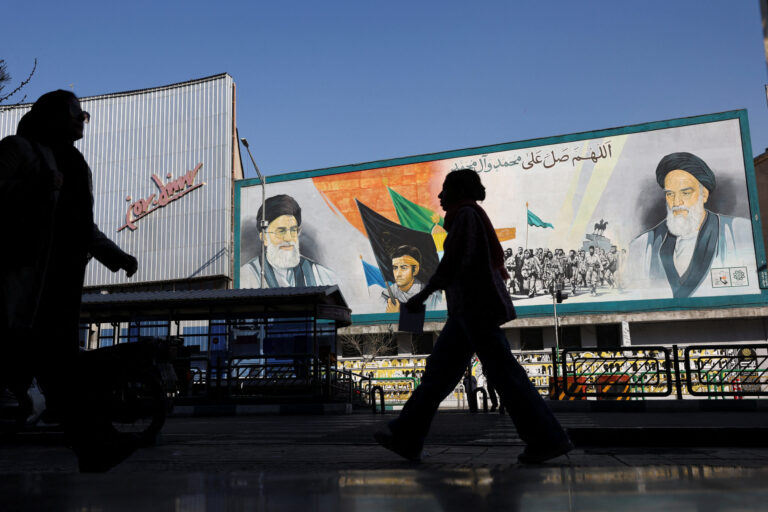
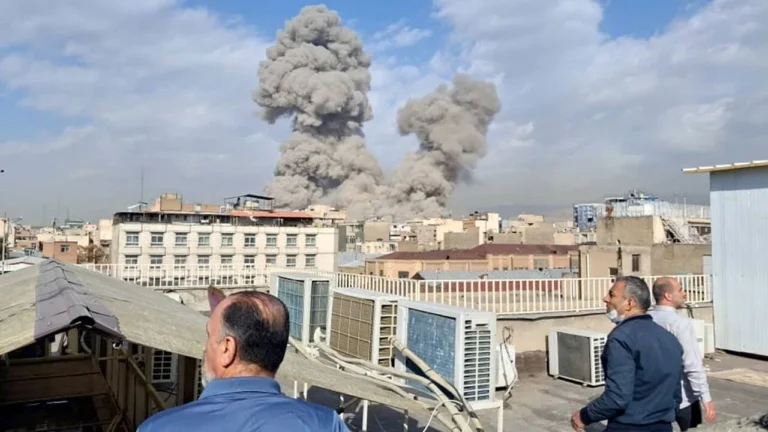
In the current geopolitical landscape of 2026, the escalating conflict involving Iran, the United States, and Israel has placed India’s energy security under a microscope. As the world’s third-largest consumer of crude oil, India imports nearly ‘88%’ of its requirements, making its economy highly sensitive to Middle Eastern stability. “Concerns are mounting that the ongoing conflict could evolve into a protracted war.”
The Impact on Crude Imports
The primary threat stems from the ‘Strait of Hormuz’, a narrow chokepoint through which approximately ‘50% of India’s crude oil’ and ‘54% of its LNG’ pass. Recent hostilities and reported disruptions in this corridor have forced shipping companies to reroute vessels, leading to a surge in freight and insurance costs—some rising by ‘50% overnight’. While India has diversified its suppliers to include the U.S. and West Africa, its reliance on Iraq, Saudi Arabia, and the UAE remains a structural vulnerability.
Will Petroleum Prices Rise?
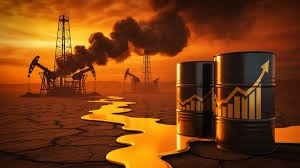
There is a significant chance of a price hike. Historically, every ‘$1 increase’ in the price of a Brent crude barrel adds roughly ‘$2 billion’ to India’s annual import bill. With oil prices recently hovering around ‘$80–$130 per barrel’ due to war premiums, the pressure on Oil Marketing Companies (OMCs) is immense. While the government often absorbs short-term shocks to control inflation, a prolonged conflict typically forces a “pass-through” to consumers at the petrol pump.
The Russian Oil “Savings” Mystery
A common point of debate is why prices didn’t drop when India bought “cheap” Russian oil. Since the Russia-Ukraine war began in 2022, India saved an estimated ‘$13 billion to $26 billion’ by purchasing discounted Urals grade oil. However, these savings were largely used by the government to: ‘Offset Pandemic Losses:’ OMCs had suffered massive under-recoveries when they kept prices stagnant despite high global costs in 2021-22. ‘Fiscal Stability:’ The revenue helped maintain the fiscal deficit and funded infrastructure projects, preventing a total economic collapse during global volatility. ‘Inflation Buffering:’ Rather than lowering prices, the government used the “Russian discount” as a cushion to avoid increasing prices further when global benchmarks hit $120.
Is the Government Shifting the Burden?
The perception of “throwing the burden on the people” is a matter of fiscal trade-offs. Taxes (Excise Duty and VAT) make up a significant portion of the retail price. In 2024-25, the petroleum sector contributed over ‘Rs 7.4 lakh crore’ to the central and state exchequers. While this keeps the tax burden high for citizens, the government argues this revenue is essential for welfare schemes and national security.
How India Can Overcome the Hurdle
India’s strategy involves three pillars: ‘Strategic Reserves:’ Utilizing its Strategic Petroleum Reserves (SPR) which hold about 9-10 days of consumption. India’s oil security strategy relies on a multi-layered approach to meet the 90-day IEA benchmark. The distinction between the government’s claim and the 9-10-day figure lies in the “Strategic” versus “Commercial” split.
Strategic Petroleum Reserves (SPR): Managed by ISPRL, these dedicated underground caverns (Visakhapatnam, Mangalore, Padur) hold roughly 5.33 MMT, providing approximately 9.5 days of emergency cover. Oil Marketing Companies (OMCs) maintain their own operational inventories in refineries and pipelines. The 74-Day Claim: By combining the 9.5 days of SPR with approximately 64.5 days of OMC commercial stock, the government reports a total national buffer of 74 days (as of early 2026). While the SPR alone is thin, the integrated network serves as a strategic shield against short-term supply shocks from the Middle East.
‘Pivot Back to Russia:’ Despite recent U.S. pressure to reduce Russian imports, India is mulling a return to higher Russian volumes to bypass the Strait of Hormuz risks. ‘Alternative Routes:’ Shifting more sourcing to the Atlantic basin (U.S., Guyana, and Brazil) to reduce “Hormuz-linked” risks. Ultimately, while India has become a master of “strategic autonomy” in energy, a full-scale war in the Gulf would present a financial hurdle that even the shrewdest diplomacy might struggle to leap without some cost to the common man.

Editor, Prime Post
Ravindra Seshu Amaravadi, is a senior journalist with 38 years of experience in Telugu, English news papers and electronic media. He worked in Udayam as a sub-editor and reporter. Later, he was associated with Andhra Pradesh Times, Gemini news, Deccan Chronicle, HMTV and The Hans India. Earlier, he was involved in the research work of All India Kisan Sabha on suicides of cotton farmers. In Deccan Chronicle, he exposed the problems of subabul and chilli farmers and malpractices that took place in various government departments.