- Zohran Mamdani Elected NYC’s First Muslim and Indian-Origin Mayor
- Mamdani’s Grassroots-to-Digital Campaign Smashes Big-Money Politics
- The win Gives Voice to NYC’s Working Class and Diaspora Communities
In a stunning political upset, Zohran Mamdani has been elected as the Mayor of New York City, creating history as the city’s first Muslim and Indian-origin leader. This victory is not just a personal triumph but a clear mandate for change, largely attributed to his innovative and unrelenting grassroots campaign strategies that completely changed the game. While the race saw him defeat established heavyweight Andrew Cuomo, Mamdani’s success proves that ‘people power’ and smart, modern campaigning can overcome big-money politics and dynasty. His win is a major moment for progressive politics, both in America and for the global Indian and Muslim diaspora, showing that an inclusive, working-class focused message truly resonates with the common person.
The Campaign Strategy: From Door-to-Door to Digital Dynamo
Mamdani’s campaign was a brilliant mix of old-school activism and new-age digital marketing, connecting with a diverse set of voters who had felt forgotten by traditional politics. At the heart of his strategy was a laser-like focus on the affordability crisis in New York City. His platform wasn’t vague; it was built on concrete promises that directly impacted the working-class and common man: rent freezes for stabilized apartments, fare-free city buses, universal childcare, and even the idea of city-owned grocery stores to combat rising food prices. By centering the campaign on these kitchen-table issues, he made the election about people’s day-to-day struggles, not political drama.
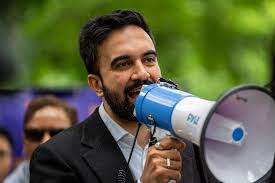
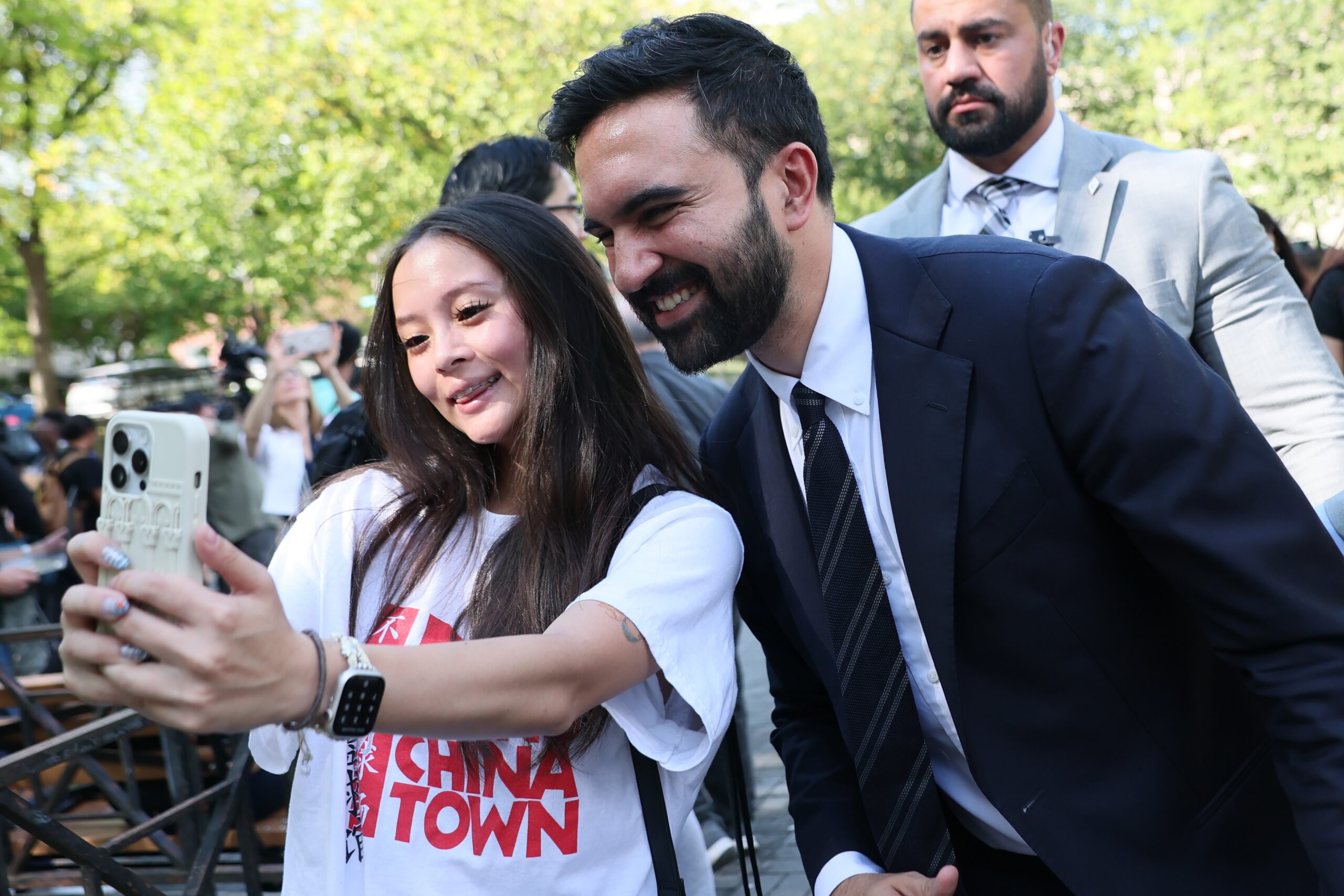
The grassroots ground game was intense, fueled by thousands of young, energetic volunteers who believed in his vision of a ‘City We Can Afford’. Mamdani’s team ran a massive door-knocking operation, especially targeting first-time voters, young people, and communities of colour, often in multilingual crews to ensure no community was left out. This relentless, face-to-face outreach helped to build deep, personal connections and trust, a clear contrast to his wealthy opponents who relied more on high-cost advertising. His past work as a foreclosure prevention counsellor also gave him credibility as a genuine advocate for those facing housing insecurity, making his affordable housing promises hit home with voters.
Crucially, the campaign was a masterclass in savvy social media use. Mamdani’s team used platforms like TikTok and Instagram to create short, catchy, and often humorous videos to explain complex policies like “halalflation” (coined by him) or the need for free buses. He didn’t just talk policy; he made it engaging, with light-hearted stunts like a polar bear plunge to promote his ideas. This unconventional, relatable, and fun digital presence energized and galvanised the youth vote in a way the city hadn’t seen before, leading to a massive surge in early voting, especially among millennials and Gen Z. Mamdani’s willingness to campaign in local places like mosques and even night clubs, and to speak directly in languages like Urdu, Hindi, and Spanish, cemented his image as a leader who truly sought to represent the city’s vast diversity. By marrying traditional block-by-block organizing with a vibrant digital presence, Mamdani created a blueprint for modern progressive campaigning.
A Historic Victory for the Indian-Origin and Muslim Community Mamdani’s win is a landmark moment, not just for New York, but for global politics. Born in Uganda to a renowned Indian filmmaker mother, Mira Nair, and an academic father, Mamdani’s roots are firmly in the South Asian diaspora. By becoming the first Muslim and Indian-origin person to hold the highest office in America’s largest city, he has broken a significant barrier. This is a powerful message of representation for immigrant communities across the United States and the world. His success shows that a leader’s background, once considered a political hurdle by some opponents who used Islamophobia and racism against him, can actually be a source of strength and connection in a multicultural city. He has given a voice to countless individuals who felt their community’s story was missing from the halls of power. His victory proves that a progressive, working-class, and minority-backed campaign can defeat powerful political dynasties, ushering in an era where the politics of identity and genuine community organizing are inseparable from the politics of social and economic justice.

Deputy Editor, Prime Post
Anand Gantela is a seasoned media professional with nearly three decades of experience across the spectrum of Indian journalism. Having worked extensively in both print and broadcast media, he has held key positions at renowned outlets such as Prajashakthi, Andhra Bhoomi, Mudra, Media India, Siti Cable, Mana Telugu, and Maa TV. From ground-level reporting to managing news bureaus and overseeing bulletin production, Anand has witnessed the evolution of news firsthand. His wealth of experience reflects a deep understanding of the dynamic and ever- evolving landscape of news reporting.