The debate over India’s nuclear arsenal, which revolves around national security, global diplomacy, and moral choices, has gained new urgency following recent comments by US President Donald Trump. While the world already focuses on strategic competition, Trump’s assertions about covert nuclear weapons testing by both Pakistan and China, alongside his order to resume US testing, have complicated India’s strategic calculations and put a sharp focus on its long-standing “credible minimum deterrence” policy.
The Current State of India’s Nuclear Might
India, which has not signed the Nuclear Non-Proliferation Treaty (NPT), keeps its nuclear stockpile size a secret. However, global institutions like the Stockholm International Peace Research Institute (SIPRI) estimate that India has around 170 to 180 nuclear warheads. This number shows a minor increase in recent years, placing India among the nine nuclear-armed states that are actively modernizing their weapons.
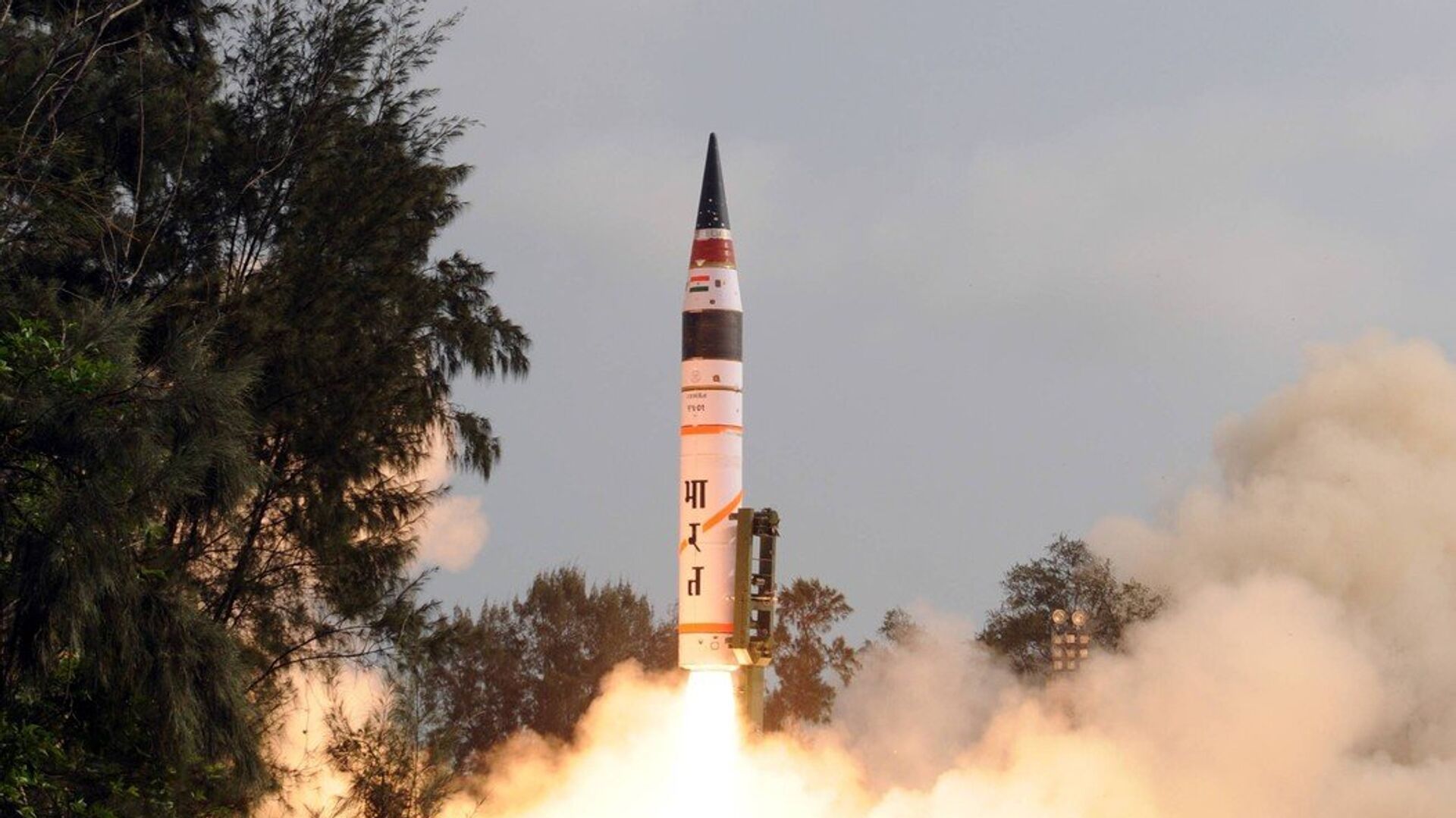
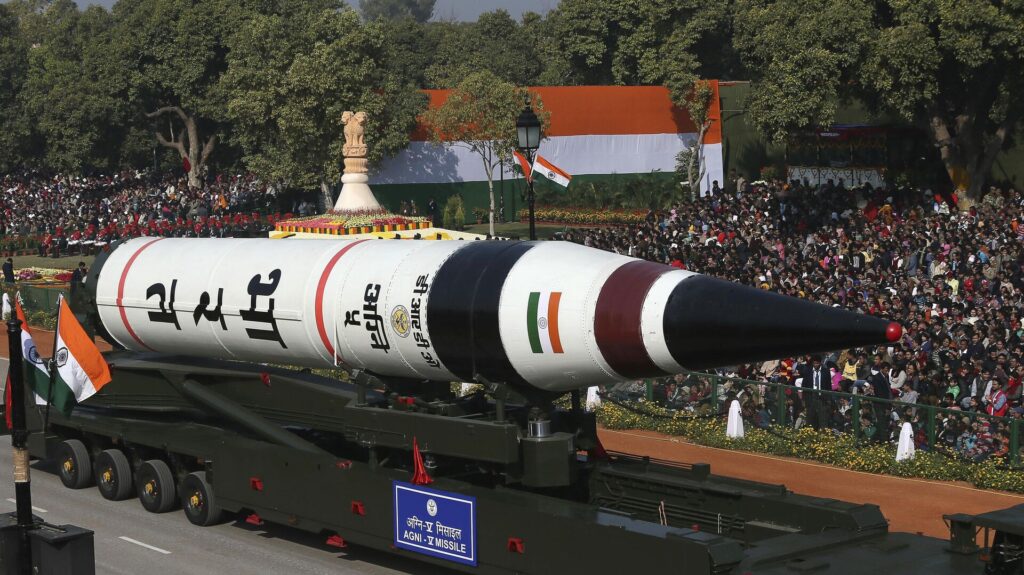
The main focus of India’s nuclear program is not just on having more weapons, but on making its delivery systems more survivable and increasing their range. This means India is developing a full nuclear triad: the ability to launch nuclear weapons from land (with missiles like the Agni-V, which has intercontinental range), air (using fighter-bomber aircraft), and sea (with submarine-launched ballistic missiles like the K-4). The use of ‘canisterised’ missiles, which are easier to store and transport with their warheads already mated, further strengthens the land-based part of its deterrent. This modernization is necessary to guarantee a devastating retaliatory strike against any nuclear attack.
The ‘Credible Minimum Deterrence’ Policy
India’s nuclear policy is built on two main pillars: “No First Use” (NFU) and “Credible Minimum Deterrence.” The NFU policy is a promise that India will not use nuclear weapons unless an enemy attacks it with nuclear weapons first. This is an important position that shows India wants to be a responsible nuclear power focused on defence and avoiding escalation.
The idea of ‘credible minimum deterrence’ is about having enough weapons to deter a nuclear attack, but not so many that it signals an arms race or becomes too costly. This is a delicate balance, especially since India has two nuclear-armed neighbours, Pakistan and China. The arsenal must be credible enough to be feared, yet minimum enough to be different from the massive stockpiles held by the US and Russia. This policy framework is meant to meet India’s security needs while keeping its global commitment to nuclear disarmament.
Trump’s Nuclear Claims and Regional Impact
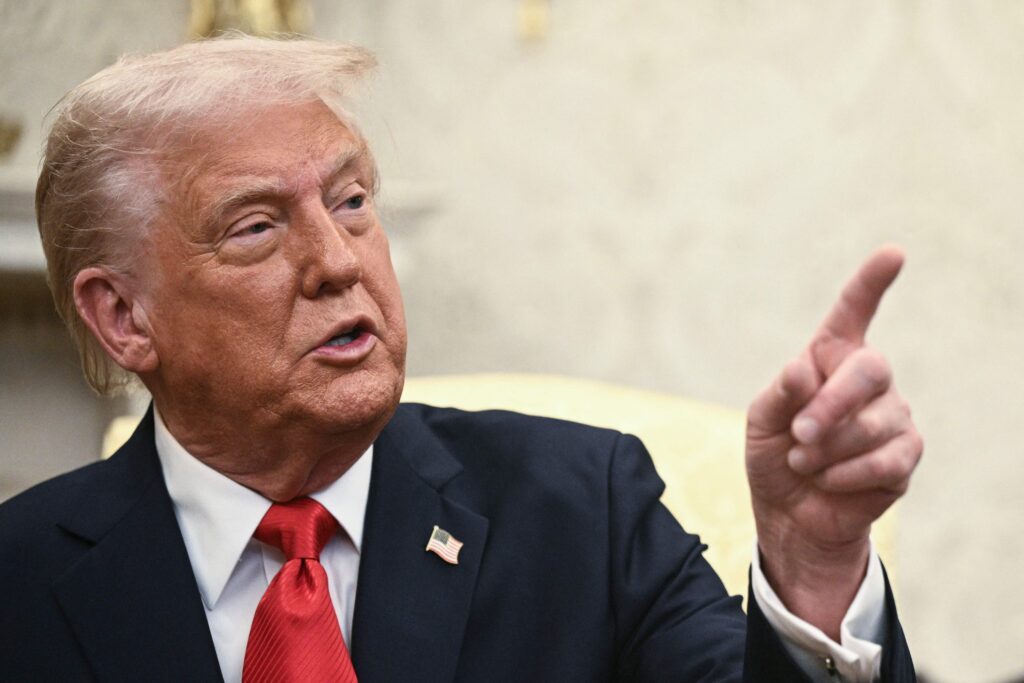
The situation became more heated with recent comments from US President Donald Trump. Trump claimed that countries like Pakistan, China, Russia, and North Korea are covertly conducting nuclear weapons tests. He argued this justifies his own order for the US to resume its own nuclear weapons testing after a gap of over 30 years.
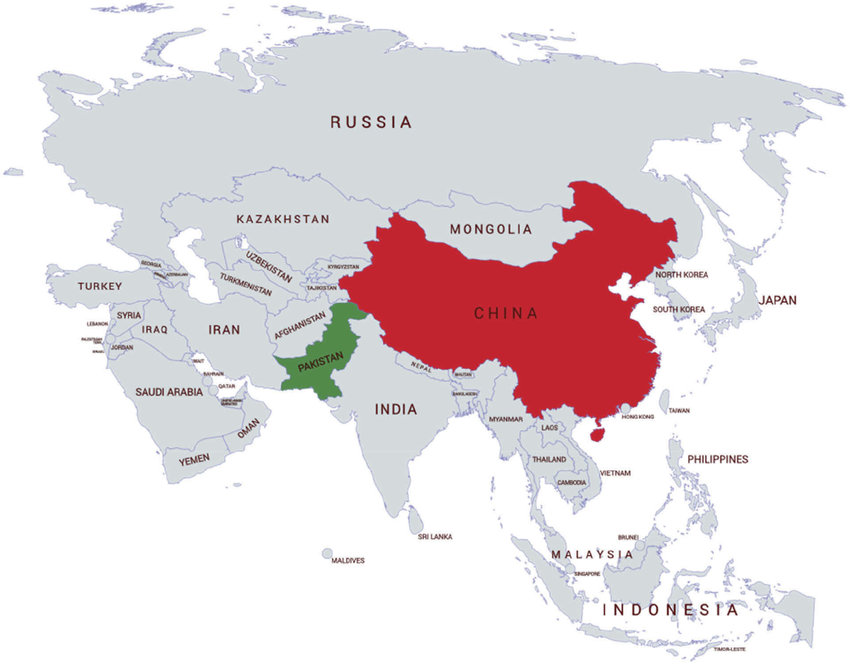
Specifically naming Pakistan and China as engaging in secret detonations—claims that lack independent public evidence from global monitoring bodies—directly impacts India’s security environment. With an estimated 170 warheads, India closely monitors the expansion of its neighbours, particularly China, which SIPRI estimates has around 600 warheads. China is also modernizing its arsenal rapidly. If Trump’s claims of covert testing by India’s neighbours are true, it adds immense pressure on India’s strategic planners to ensure its ‘minimum’ deterrent remains ‘credible’ against the growing and potentially hidden capabilities of its rivals.
The Arms Race Question
The main question is whether India is being dragged into a full-scale nuclear arms race. Traditionally, an “arms race” means a competitive build-up to achieve nuclear equality. India’s doctrine officially rejects this.
However, its actions, such as extending the range of its missiles (like the Agni series) to target deeper into Chinese territory, are a strategic response to evolving threats. While India may not be in a quantitative race with the US or Russia, its necessary steps to ensure its deterrence remains effective against the increasing capabilities of China and Pakistan inevitably contribute to regional nuclear competition and are seen as an increase in the region’s overall nuclear tension.
Ultimately, India’s future security path depends on its ability to keep its ‘credible minimum deterrence’ policy relevant and effective against its nuclear-armed neighbours, especially in light of the US President’s alarming claims, without being pulled into a dangerous and resource-draining, uncontrolled nuclear arms race.

Deputy Editor, Prime Post
Anand Gantela is a seasoned media professional with nearly three decades of experience across the spectrum of Indian journalism. Having worked extensively in both print and broadcast media, he has held key positions at renowned outlets such as Prajashakthi, Andhra Bhoomi, Mudra, Media India, Siti Cable, Mana Telugu, and Maa TV. From ground-level reporting to managing news bureaus and overseeing bulletin production, Anand has witnessed the evolution of news firsthand. His wealth of experience reflects a deep understanding of the dynamic and ever- evolving landscape of news reporting.