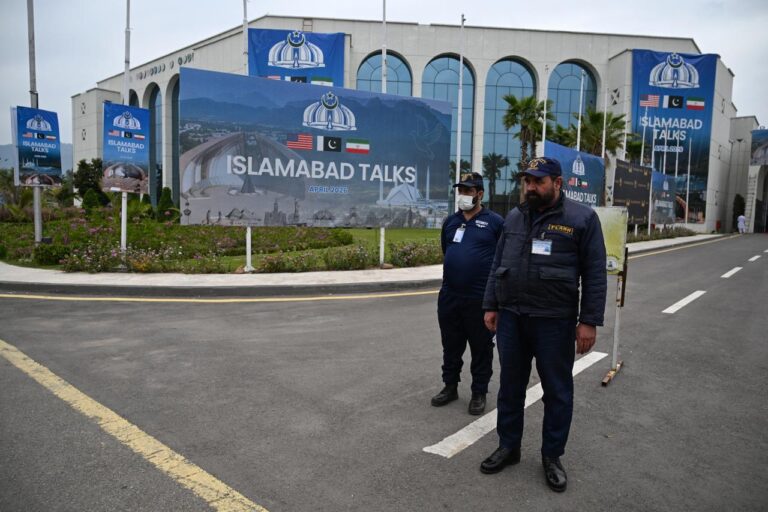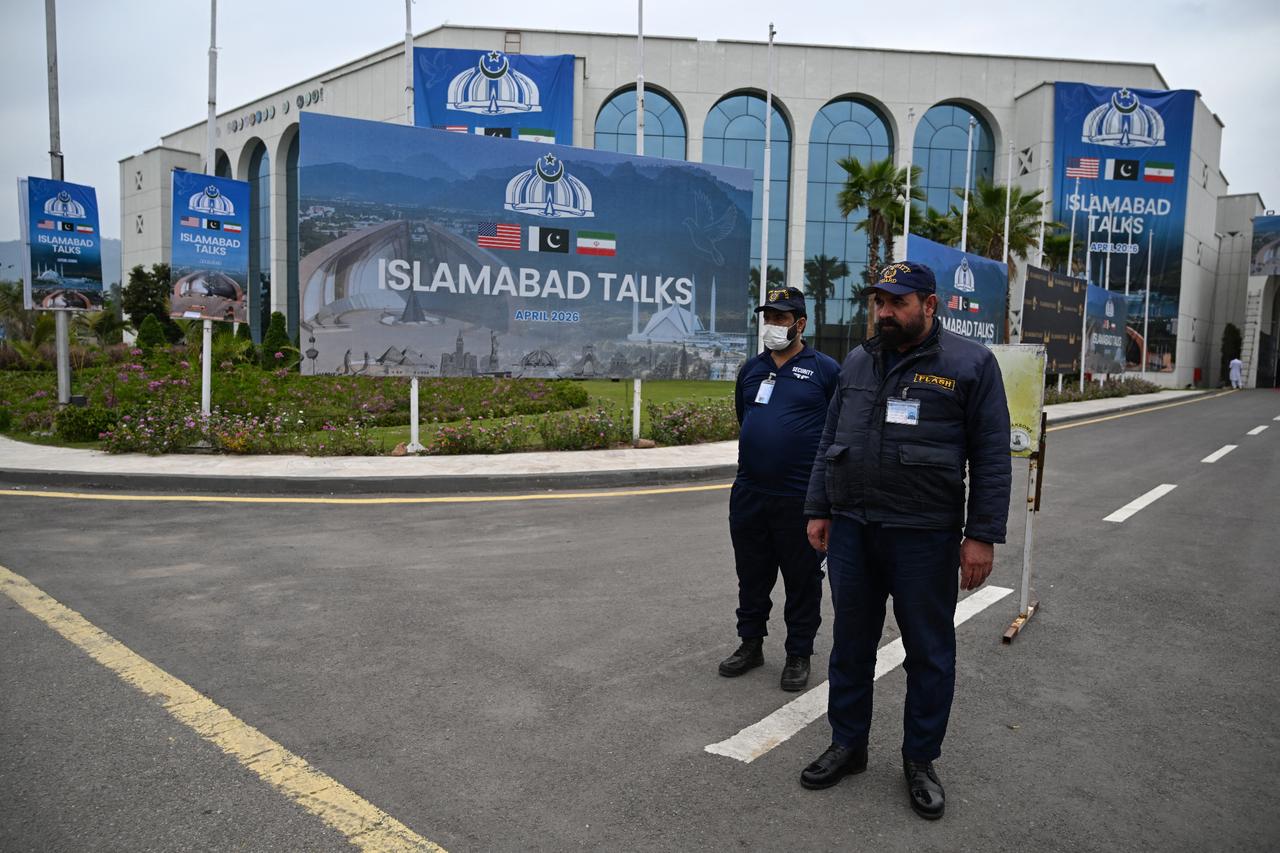
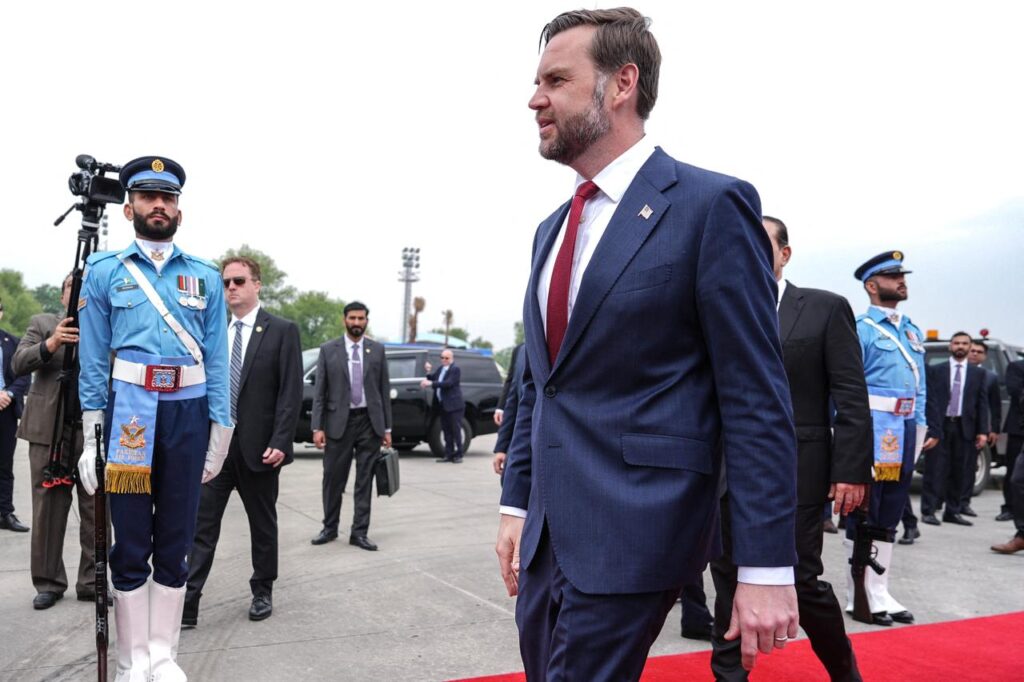
In a major diplomatic move to prevent an all-out war, high-level delegations from the United States and Iran began crucial face-to-face talks in Islamabad, Pakistan, on Saturday evening. The meeting is being led by US Vice President JD Vance and Iranian Parliament Speaker Mohammad Baqer Qalibaf. This dialogue comes at a time when the Middle East is on the edge, following months of direct military confrontations between the two nations and their allies.
Key Agenda and Demands
According to Iranian state media, the discussions are centered on three critical issues:
- Enforcing a total ceasefire in Lebanon.
- The release of frozen Iranian assets by the US.
- Security and navigation rights in the Strait of Hormuz.
Iran has accused Israel of violating the current ceasefire agreements in Lebanon and insists that the US must hold Israel accountable. On the other hand, reports suggest a rift regarding the “pre-conditions” of the talk. While some sources claimed the US agreed to release Iranian funds to bring them to the table, senior US officials have reportedly denied making any such concessions before the conclusion of the talks.
Rising Tensions and Warnings
The backdrop of these talks is incredibly volatile. Tensions peaked after the February 28 joint operation by the US and Israel that led to the death of Iran’s Supreme Leader, Ali Khamenei. Iran responded with massive missile and drone strikes, and although a temporary two-week ceasefire was initiated last Wednesday, it remains fragile. Recent Israeli airstrikes in Lebanon, which reportedly killed over 300 civilians, have further angered Tehran.
Iran’s “Red Line”
Adding pressure to the negotiations, Iranian Vice President Mohammad-Reza Aref issued a stern warning via social media. He stated that Iran would not entertain any proposals that prioritized Israeli interests over regional stability. He made it clear that if the US pushes an Israeli-centric agenda, the talks will fail, and Iran will “intensify its defensive measures.” The international community is watching Islamabad closely, as the outcome of these discussions could determine whether the region moves toward a long-term peace or a catastrophic escalation.
Deputy Editor, Prime Post
Anand Gantela is a seasoned media professional with nearly three decades of experience across the spectrum of Indian journalism. Having worked extensively in both print and broadcast media, he has held key positions at renowned outlets such as Prajashakthi, Andhra Bhoomi, Mudra, Media India, Siti Cable, Mana Telugu, and Maa TV. From ground-level reporting to managing news bureaus and overseeing bulletin production, Anand has witnessed the evolution of news firsthand. His wealth of experience reflects a deep understanding of the dynamic and ever- evolving landscape of news reporting.