- Economic Weight and Geopolitical Pragmatism
- Complementary Markets and Consumer Benefits
- Navigating Regulatory Challenges
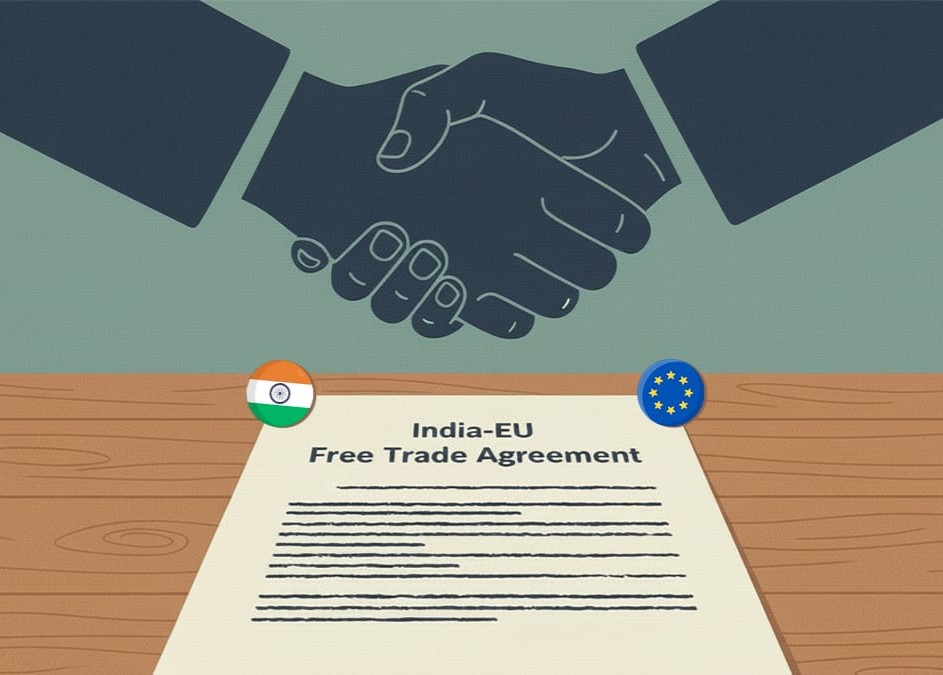
The Free Trade Agreement (FTA) that was signed on Monday by the representatives of European Union and India is historic and most consequential. It took almost two decades and a lot of hiccups and the tariffs by Donald Trump for the Mother of All Deals to be delivered. India’s relationship with EU will further deepen with the signing of Security and Defence Partnership deals. It will address questions related to maritime security, counter terrorism and cyber security. So, the FTA is more than a trade agreement. It is a comprehensive deal encompassing many areas like trade, defence and security.
A Two-Decade Journey in a Changing World
The FTA with EU has taken 19 years to materialize. The talks had started in 2007 when the world was entirely different. The iPhone has just been launched. Nobody had predicted that two decades later the Great Power would be using tariff regime with vengeance against friends and foes alike. Nobody would have imagined that a person like Donald Trump would be occupying White House for the second time and behave so recklessly.
The dialogue was suspended by The EU in 2013. It was picked up later. The time for the agreement has now come. Sensitive areas from farm sector have been excluded from the FTA. In 2024 India exported food and beverages worth 4.2 billion ranking 30th among the suppliers to the EU. Main reason for India to be behind the countries like Vietnam and Thailand is the quality of products which were not meeting European standards.
While excluding the farm sector from this agreement, Europe will maintain its current tariffs on beef, sugar, rice, chicken meat, milk powder, honey, bananas, soft-wheat, garlic and ethanol. Old policy regarding the farm sector will be continued.
Strengthening Global Stability
Prime Minister Narendra Modi declared that the partnership would “strengthen stability” at a time of global turmoil, while European Commission President Ursula Von der Leyen said it would reduce strategic dependence at a time when global trade is (becoming) increasingly fractious. “We have delivered the mother of all deals,” she said. “Two giants who chose partnership, in a true win-win fashion. A strong message that cooperation is the best answer to global challenges has been sent to the world,” she said. Noting that it is India’s largest-ever FTA, Modi said: “This historic agreement will facilitate access to European market for our farmers and small industries, create new opportunities in manufacturing, and strengthen cooperation in our services sectors.”
This is India’s ninth trade agreement in four years. It is 19th trade agreement overall. It has also signed six preferential trade agreements. This is the biggest of all trade agreements signed so far by India. In fact, it is world’s largest agreement. India and EU together account for 23 percent of global GDP and 25 percent of world population. Already the bilateral goods and services trade between India and EU is $220 billion which can be described as a strong base. The deal would have taken some more time had the geopolitical atmosphere was not affected by Trump’s tariff doctrine forcing Indian and EU leaders to be more pragmatic. European nations are very particular now that they should be independent of the US and China in trade. India is already bearing the burden of US tariff which is 50 percent and Trump does not stop threatening with more tariff impositions.
There is little room for conflict between Europe and India as they market different kind of products. There is no direct competition between the two sides. India exports labour-intensive goods such as garments, footwear and auto parts along with downstream products like smart phones, generic pharmaceuticals and diamonds. In both goods and services, the balance of trade favours India. The elimination of tariffs, as a result of the trade agreement, on Indian goods will make them more competitive. The FTA will help Indian consumers by making products from European cars to chocolates more affordable. The import duty on fully built cars will ultimately be slashed to 10 percent after the FTA is ratified by the 27 countries of EU. It may take time and effort for all the countries to ratify. India has signed a Comprehensive Economic and Trade Agreement with United Kingdom last July. It is yet to come into force. Dealing with 27 countries will be difficult. It requires sustained diplomatic engagement and drive. In contrast, EU supplies capital and technology-intensive products (machinery and aircraft), advanced goods like electronic components, medical devices and other sophisticated goods.
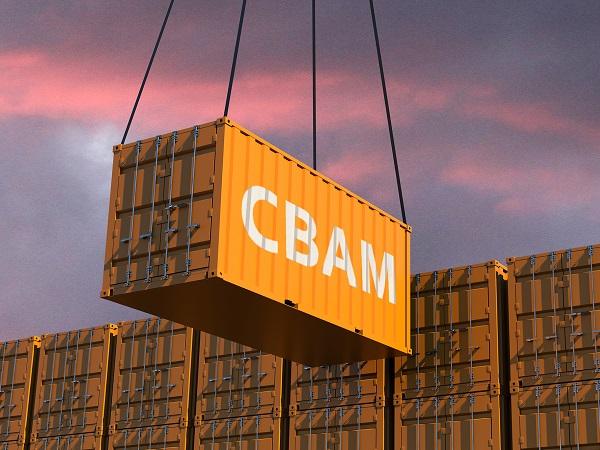
There was a discussion between the US and India on ‘Mission 500.’ It’s ambition is take the India-US trade to the level of $500 billion by 2030, not very far. Instead of making progress on the mission India is saddled with punitive sanctions for purchasing oil from Russia. The same thing (Russian oil) might be objected to by the European nations when it comes to FTA. The hyper-regulatory policies followed by Europe also may cause problems for India. EU is very particular that its sanitary and phytosanitary rules on plant and animal health for India have to be implemented. It is also keen on Carbon Border Adjustment Mechanism (CBAM). Basing carbon emission, The EU taxes goods like cement, steel and aluminum.
Indian goods have low duties already. Garments and footwear will improve their competitiveness against Vietnam and Bangladesh after the FTA comes into effect. India, on the other hand, will remove tariffs on about 97% of European exports. The duties on wine will fall from 150 percent to 20-30 percent. Tariff on cars would be reduced from 100-125 percent to almost 10 percent.
A Path to 2047
The arrival of Ursula Von der Leyen, President of the European Commission and Antonio Costa, President of the European Council, in Delhi for the Republic Day function has given a lot of clarity about Indian trade. European Union’s economy is now on par with China and second only to the US. The FTA reinforces India’s growing belief that the trade is the only way to attain the developed nation tag by 2047. This week’s breakthroughs are the cumulative results from the diplomatic investment and political will to overcome entrenched skepticism in both Brussels and Delhi. This FTA does not mean that India and the EU are moving away from the US. On the contrary it will be inclusive of US with which India has to sign a new deal and EU already has close rapport.
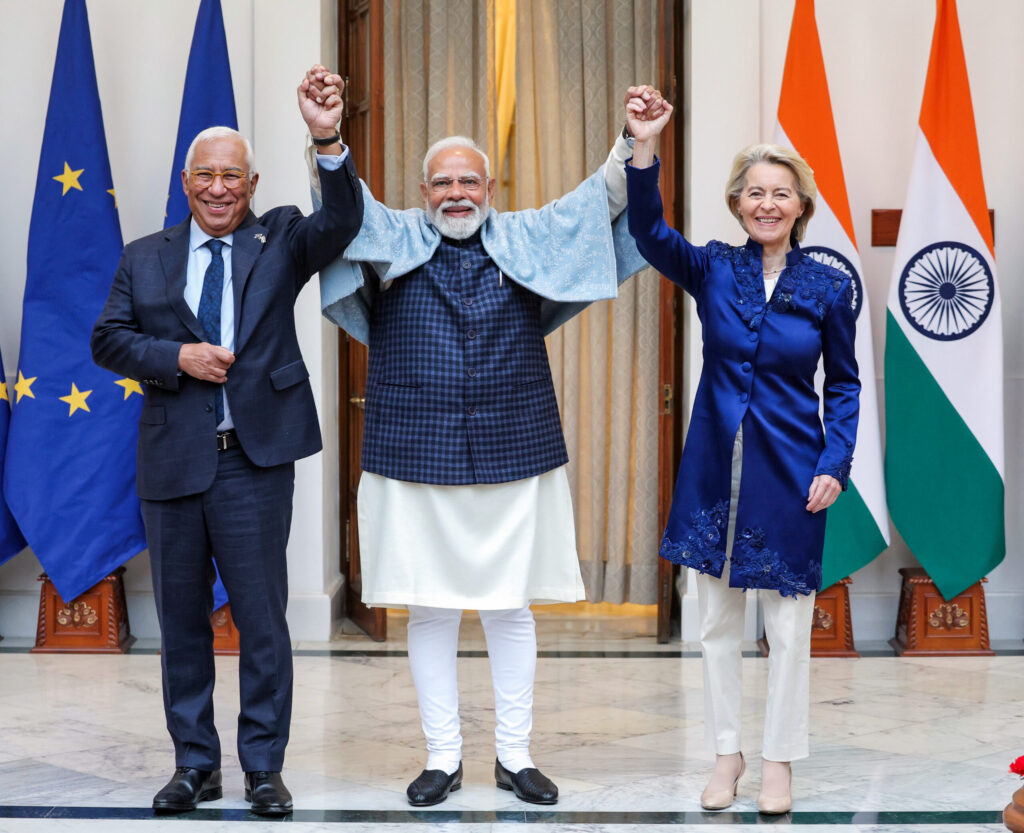
The Free Trade Agreement (FTA) concluded on January 27, 2026, by representatives of the European Union and India is both historic and profoundly consequential. It took nearly two decades, characterized by numerous diplomatic hurdles and the pressures of shifting global trade regimes, for this “Mother of All Deals” to be delivered. Beyond economics, India’s relationship with the EU is set to deepen through new Security and Defence Partnership deals addressing maritime security, counter-terrorism, and cyber security. This comprehensive agreement proves that the FTA is more than just a trade pact; it is a strategic pillar for the 21st century.
A Two-Decade Journey in a Changing World
The path to this agreement spanned 19 years. Talks originally began in 2007, a time when the first iPhone had just been launched and the global order was vastly different. Few could have predicted then that two decades later, a “Great Power” would use aggressive tariff regimes against friends and foes alike, or that the geopolitical landscape would be so drastically reshaped by shifts in the White House. After dialogue was suspended by the EU in 2013 and later revived, the moment for a deal finally arrived. To reach a consensus, sensitive areas—particularly the farm sector—have been largely excluded, with Europe maintaining current tariffs on beef, sugar, rice, milk powder, and other agricultural staples to protect its domestic interests.
Strengthening Global Stability
Prime Minister Narendra Modi declared that this partnership would “strengthen stability” during a period of global turmoil. Similarly, European Commission President Ursula von der Leyen noted that the deal would reduce strategic dependence in an increasingly fractious trade environment. As India’s largest-ever FTA, it provides unprecedented access to the European market for Indian farmers and small industries while catalyzing growth in manufacturing and services.
Economic Weight and Geopolitical Pragmatism
This agreement marks India’s 19th trade deal overall and its largest to date. Combined, India and the EU account for 23% of global GDP and 25% of the world’s population. With bilateral trade already established at a strong base of $220 billion, the “Trump tariff doctrine” served as a catalyst, forcing both leaders to adopt a more pragmatic stance. European nations are now increasingly focused on maintaining independence from both the U.S. and China, while India seeks to mitigate the burden of punitive tariffs.
Complementary Markets and Consumer Benefits
There is little room for conflict between the two regions as they generally market different products. India exports labor-intensive goods—garments, footwear, and auto parts—alongside smartphones and generic pharmaceuticals. In contrast, the EU supplies capital-intensive technology, machinery, aircraft, and medical devices.
- For Indian Consumers: Luxury goods, from European cars to chocolates, will become more affordable.
- Automotive Shifts: Import duties on fully built cars are slated to be slashed from over 100% to 10% (under specific quotas) once ratified.
- Global Standing: The deal helps Indian garments and footwear compete more effectively against rivals like Vietnam and Bangladesh.
Navigating Regulatory Challenges
While the ambition of “Mission 500” (targeting $500 billion in India-U.S. trade by 2030) remains, India currently faces challenges from U.S. sanctions regarding Russian oil. This remains a sensitive point that European nations may also raise. Furthermore, the EU’s hyper-regulatory environment—specifically Sanitary and Phytosanitary (SPS) rules and the Carbon Border Adjustment Mechanism (CBAM)—presents a hurdle. Under CBAM, the EU will tax carbon-intensive imports like cement, steel, and aluminum, requiring Indian industries to adapt to greener standards.
Conclusion: A Path to 2047
The presence of Ursula von der Leyen and Antonio Costa as Chief Guests at the 2026 Republic Day celebrations signals a clear vision for the future. With the EU economy standing as a global peer to China and the U.S., this FTA reinforces India’s belief that trade is the primary vehicle for achieving “developed nation” status by 2047. This breakthrough is the result of immense political will and a shared desire to move beyond entrenched skepticism toward an inclusive, multi-polar partnership.

Prominent Journalist
Dr. K. Ramachandra Murthy is a versatile journalist with a distinguished career. Dr. Murthy began his extensive career with Andhra Prabha of The Indian Express group in Bengaluru. He was editor of Udayam, Vaartha and Andhra Jyothy. Dr. Murthy founded and edited HMTV news channel and The Hans India, an English newspaper. He was also editorial director of the Telugu newspaper, Saakshi. He was awarded Ph. D for his research work in rural reporting. Dr. Murthy’s five decades in journalism showcases his influential roles across both print and electronic media. He wrote the political biography of NTR published by Harper Collins.