
- Traditional Hunting and the Gothikoya Challenge
- Poaching Threatens Wildlife in Khammam and Bhadradri-Kothagudem
- Officials Vow Increased Enforcement
- Poachers of Having licensed guns a big Surprise
Call for Action
The forests of Khammam and Bhadradri-Kothagudem districts face a persistent threat from wildlife poaching, driven by two distinct groups like traditional hunters and pleasure hunters. Historically, traditional hunters, often local Adivasis, hunted primarily for subsistence to obtain meat for food, and to sell materials for necessary income. Government Intervention and Policies providing rations and supplies successfully discouraged most local Adivasis from traditional hunting by offering alternative food sources.
The Gothikoya Exception

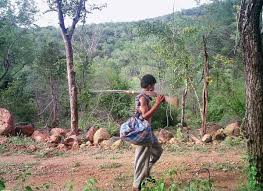
The Gothikoyas, who migrated from Chattisgarh following theMaoist surge, settled in deep forests in Kothagudem and continue the practice. Due to their location and deep forest knowledge, they are difficult for forest officials to track them during or after hunting. Thousands of acres of forest were felled by them for the last three decades. The Gothikoya influx witnessed high in Telangana after Maoist insurgence in Chattisgarh.
Rise of Recreational (Pleasure) Poaching
In contrast to subsistence hunting, pleasure hunting is a recreational activity motivated by thrill, personal achievement, or the desire for trophies like antlers, tusks, or hides to display as a status symbol. The threat of pleasure hunting was highlighted by the recent apprehension of two key accused, Mecha Raghu and Kunja Bharat, by a joint operation team from the Khammam district task force and the Sathupally forest division. The duo has been remanded to judicial custody until December 16th, and cases were filed under the TG Forest Act–1967 and the Wildlife Protection Act–1972. Forest officials indicate that Mecha Raghu and his followers are habitual offenders. Raghu and his group had previously evaded arrest in 2021 when officials failed to find poaching material. It is a surprise thing that these hunters of having licensed guns. How they are getting it, a million dollar question.
Enhanced Security and Wildlife Status
The forest department has announced it will intensify patrolling and surveillance across the region to curtail both forms of illegal hunting. Forest area, such as the 375-acre stretch covering Vemsoor and Sattupalli mandals, are crucial wildlife habitats. This area, which features water sources, good greenery, and trees, is an ideal habitat and is reported to contain more than 100 sambar deer. The sambar population also faces threats from stray dog attacks near villages. Forest officials stress the necessity of curtailing pleasure hunting, particularly by habitual offenders like Mecha Raghu, alongside the ongoing challenge of addressing traditional poaching by the Gothikoya communities settled across over 100 locations in the two districts.


Editor, Prime Post
Ravindra Seshu Amaravadi, is a senior journalist with 38 years of experience in Telugu, English news papers and electronic media. He worked in Udayam as a sub-editor and reporter. Later, he was associated with Andhra Pradesh Times, Gemini news, Deccan Chronicle, HMTV and The Hans India. Earlier, he was involved in the research work of All India Kisan Sabha on suicides of cotton farmers. In Deccan Chronicle, he exposed the problems of subabul and chilli farmers and malpractices that took place in various government departments.






First of all it is to be traced how Mecha and Kunja Bharat are issued licenced guns? Strict vigilance to be conducted in this regard.