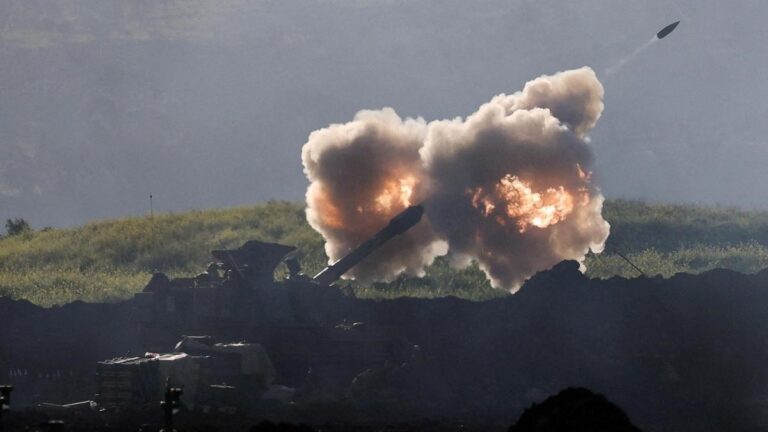
The Arctic region has become a flashpoint for international diplomacy following reports that the United States, under President Donald Trump, is looking to bring the strategic island of Greenland under its direct control. This move has triggered a sharp and defiant response from Denmark, which governs the island. The situation has escalated to a point where Denmark has reaffirmed a Cold War-era military policy to protect its sovereignty.
Denmark Reinstates ‘Shoot First’ Policy
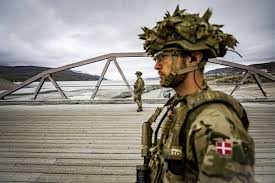
In a direct warning to any potential aggressors, the Danish Ministry of Defense has clarified its rules of engagement. They have confirmed the validity of a 1952 regulation known as the “Shoot First” rule. Under this directive, Danish soldiers stationed in Greenland are authorized to retaliate immediately if anyone attempts to occupy their territory. Crucially, soldiers do not need to wait for orders from high-ranking officials in the capital to open fire if they face an invasion. This move highlights how seriously Denmark is taking the perceived threat to its territorial integrity.
A Threat to the NATO Alliance

Danish Prime Minister Mette Frederiksen has voiced grave concerns over the impact of this dispute on international stability. She warned that if the U.S. attempts a forced takeover of Greenland, it would effectively signal the end of the NATO alliance. NATO was built on the principle that member nations protect one another; therefore, an attack or a forced occupation by one member (the U.S.) against another (Denmark) would destroy the security framework established after World War II. Frederiksen has been firm in her stance, stating clearly that Greenland belongs to its people and is not for sale.
Why the U.S. is Focused on Greenland
The motivation behind President Trump’s interest is primarily geopolitical. The U.S. administration argues that increased activity by Russian and Chinese vessels in the Arctic poses a significant threat to American national security. While the U.S. already has the right to maintain military bases in Greenland under a 1951 agreement, the Trump administration wants full ownership rather than just leasing rights.
Adding to the tension, U.S. Vice President JD Vance has criticized Denmark’s defensive stance, suggesting that European nations have failed to ensure the security of Greenland effectively. The U.S. views the island as a vital shield against eastern adversaries in the high north.
Diplomatic Efforts to Cool Tempers
Despite the aggressive rhetoric, diplomatic channels remain open. Ambassadors from Denmark and Greenland are currently in Washington, D.C., holding talks with White House officials to de-escalate the situation. Furthermore, U.S. Secretary of State Marco Rubio is expected to meet with Danish officials next week.
The world is watching closely. While the U.S. sees Greenland as a necessary strategic asset for the modern era, Denmark and the European Union see the move as a violation of international law. The outcome of these talks will determine whether the Arctic remains a zone of cooperation or becomes a theater of military confrontation.

Deputy Editor, Prime Post
Anand Gantela is a seasoned media professional with nearly three decades of experience across the spectrum of Indian journalism. Having worked extensively in both print and broadcast media, he has held key positions at renowned outlets such as Prajashakthi, Andhra Bhoomi, Mudra, Media India, Siti Cable, Mana Telugu, and Maa TV. From ground-level reporting to managing news bureaus and overseeing bulletin production, Anand has witnessed the evolution of news firsthand. His wealth of experience reflects a deep understanding of the dynamic and ever- evolving landscape of news reporting.