- No Tax Cut, but Meaningful Relief
- Border Infrastructure and Digital Warfare
- Atmanirbhar Defense: Pivoting to 100% Indigenous Innovation
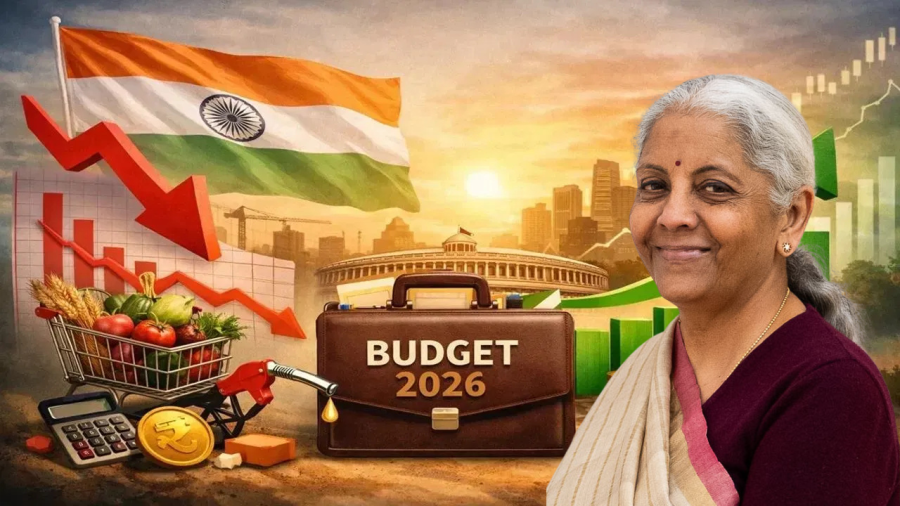
The Union Budget 2026, presented by the Finance Minister Nirmala Sitaraman has left the middle-class taxpayer with a mix of emotions. While the headline expectation a change in the income tax slabs for the Financial Year 2025-26 did not materialize, the government has shifted its focus toward systemic relief. Instead of direct tax bracket shifts, Budget 2026 addresses specific “pain points” that have long burdened the salaried class, focusing on liquidity, investment incentives, and ease of compliance.
The Tax Slab Status Quo
For those hoping for an increase in the basic exemption limit or a rejig of the 5% and 10% brackets, the Budget was a quiet affair. Both the New Tax Regime and the Old Tax Regime remain unchanged. This suggests that the government is prioritizing fiscal consolidation and stability over populist tax cuts. However, for a middle class grappling with inflation, the “no change” stance initially felt like a missed opportunity. But as the fine print emerged, it became clear that the relief is hidden in the “peripheral” costs of being a taxpayer.
TCS Cut: A Win for Global Ambitions
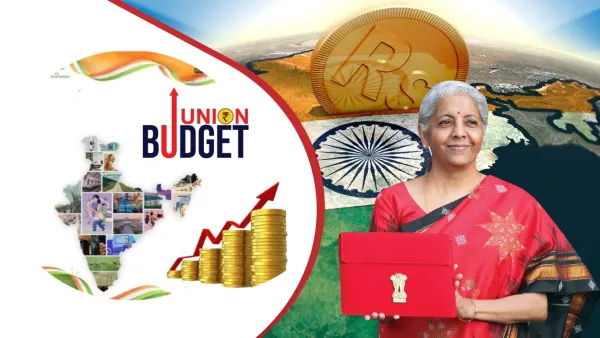
One of the biggest pain points addressed is the reduction in Tax Collected at Source (TCS). In previous years, the high TCS rates on foreign remittances whether for a child’s education abroad, a family vacation, or overseas investments had created a significant cash-flow crunch for middle-class families. By slashing these rates, the government has ensured that taxpayers aren’t forced to “lend” large sums of interest-free money to the tax department for an entire year before claiming it back as a refund. This move provides immediate liquidity to families planning global expenditures.
The Return of Dividend Incentives
In a major move to boost the “investor class” within the middle class, the Budget announced a new dividend deduction. For years, dividends have been taxed at the hands of the shareholder at their applicable slab rates, which many felt was a form of double taxation. The introduction of a dedicated deduction for dividend income provides a much-needed incentive for retail investors to stay invested in the equity markets. This is a clear signal that the government wants the middle class to move beyond traditional savings and participate more actively in India’s corporate growth story.
Addressing the “Pain Points”
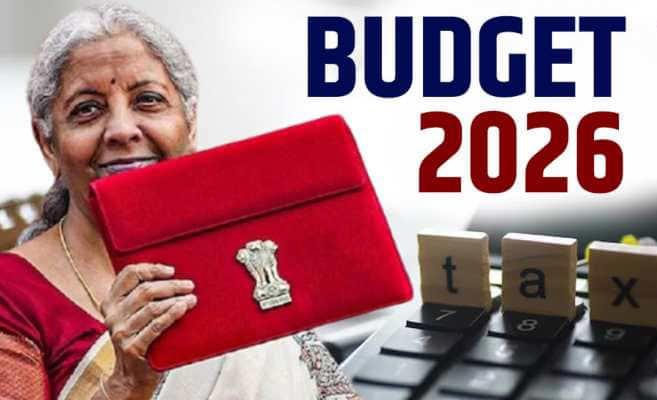
Beyond the numbers, Budget 2026 focuses on administrative empathy. The middle class has often complained about the complexity of tax notices and the friction in claiming refunds. The Budget highlights a commitment to faster processing and a more “taxpayer-friendly” dispute resolution mechanism. By streamlining these processes, the government aims to reduce the “mental tax” that comes with filing returns.
The Verdict
Budget 2026 is a pragmatic document. It acknowledges that while it cannot afford to lose revenue by changing tax slabs, it can certainly make life easier for the taxpayer. For the middle class, the message is clear: the government is moving away from direct handouts toward a system that rewards investment and reduces unnecessary financial friction. While a tax cut would have been the “icing on the cake,” the structural reforms in TCS and dividend deductions provide a solid foundation for financial planning in the coming year.
Record Defense Outlay in Budget 2026
In a resolute response to evolving regional security challenges and the recent military success of Operation Sindoor, the government has allocated an all-time high of Rs 7.85 lakh crore to the Ministry of Defence for FY 2026-27. This represents a significant 15% jump from the previous year, accounting for nearly 14.67% of the total Union Budget.
A critical highlight is the Rs 2.19 lakh crore earmarked for capital outlay, a record 24% increase aimed at aggressive modernization. These funds are set to fast-track the procurement of next-generation fighter jets (including the Rafale deal), submarines, and advanced drone ecosystems.
Furthermore, the “Aatmanirbhar Bharat” (Self-Reliant India) mission received a massive boost, with Rs 1.39 lakh crore roughly 75% of the modernization budget reserved for domestic procurement. By prioritizing indigenous manufacturing and doubling down on border infrastructure through the Border Roads Organisation (BRO), Budget 2026 ensures that India’s defense posture remains both formidable and self-sufficient.

Editor, Prime Post
Ravindra Seshu Amaravadi, is a senior journalist with 38 years of experience in Telugu, English news papers and electronic media. He worked in Udayam as a sub-editor and reporter. Later, he was associated with Andhra Pradesh Times, Gemini news, Deccan Chronicle, HMTV and The Hans India. Earlier, he was involved in the research work of All India Kisan Sabha on suicides of cotton farmers. In Deccan Chronicle, he exposed the problems of subabul and chilli farmers and malpractices that took place in various government departments.