- The Rise of the ‘Three-Engine’ Sarkar
- Strategic Realignment and the New Power Dynamics
- Beyond Identity: The Rise of the Pragmatic Voter
- The Road to 2029: Challenges and Contenders
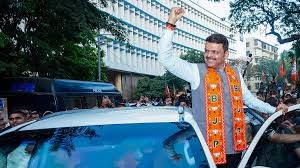
The Municipal election results in Maharashtra have established BJP as the number one party and Chief Minister Devendra Fadnavis as number one leader in the State. If Mahayuti’s resurgence in 2025 Assembly elections helped the BJP to overcome the setback suffered in the Lok Sabha elections only some months earlier, the municipal elections have proved that the saffron party and its friends have penetrated deeper in the State. For the BJP it is the historical first time to win the richest city of Mumbai with an annual budget of Rs. 75,000 crore. The BJP won critically important cities like Pune, Nashik and Nagpur consolidating its grip on Maharashtra. In BJP’s language, the cities like Mumbai and Pune have the benefit of three-engine sarkar.
Strategic Alliances and the Splintering of the Opposition
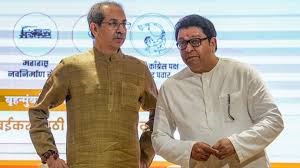
The BJP has emerged as a major party not by its own strength or performance at the hustings but by splitting the strong opposition parties and aligning with the splinter groups. For instance, it has successfully engineered a split in Shiv Sena and aligned with the group headed by rugged leader Eknath Shinde even offering him chief minister’s position to start with. Then it saw that Ajit Pawar walked out of the Nationalist Congress Party with a sizable number of MLAs to isolate the uncle Pawar, 85 year old leader. The Shiv Sena led by Uddhav Thackeray made some corrections by inviting Raj Thackeray back to the fold.
The merger of the Thackeray factions did not help in the latest municipal polls which ended the three decades hegemony of Thackerays in Mumbai city. However, they did not washout. It was a loss but the Shiv Sena headed by Uddhav Thackeray stood second. The rout of Sharad Pawar and his nephew Ajit Pawar in Pune is total. The warning bells have to be considered seriously by both winners and losers. While Uddhav’s faction has stopped Shinde’s faction in its tracks thus helping the BJP, it is evident that the Marathi manoos has limited appeal in the changed circumstances. The younger generation of voters in the Brihanmumbai Municipal Corporation (BMC) are less concerned with manoos and more worried about the development.
The Congress Dilemma and Opposition Funding
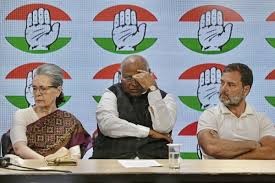
The Congress party which performed well only in Latur has to take a call whether to continue with the opposition unity or go it alone in Maharashtra. Both the partners-Shiv Sena and NCP have proved to be undependable allies with their own priorities and agenda for municipal elections. The 140-year old party which is not in a very good shape organizationally has to introspect on many aspects including this one in Maharashtra. In Tamil Nadu also it is in a dilemma whether to go with Vijay or remain put with Stalin.
The core civic issues concerning Mumbai were not discussed in the elections. The politics of identity, religious polarization and money matters dominated the electoral discourse. The financial muscle commanded by the BJP outnumbers that of the opposition parties. The voters are wiser. They are pragmatic and self-centred considering it most important as to how much financial benefit he or she can get immediately from the contestants. The cash transfers undertaken by the BJP-led coalition government have clear impact on the women voters. Maharashtra is joining the Southern States like Karnataka, Telangana, Andhra Pradesh and Tamil Nadu in mounting election expenses. The opposition parties are not capable of competing with the ruling parties in mobilizing or spending money during elections. It is an all India phenomenon. From February 2023 to October 2025, the officials managing the affairs of the Mumbai corporation funneled the funds to the segments under the law makers of the Mahayuti coalition.
An investigation by the Mumbai edition of the Indian Express revealed that 99 percent of the funds were spent in the areas controlled by the ruling party MLAs. The blatant partisanship in funds distribution which helped the BJP legislators immensely is most undemocratic and unfair. The people living in areas where the opposition MLAs won are also the citizens of the city and deserve their share in development. It is the responsibility of the BJP and its friends to adhere to the constitution and election manifesto to run the administration in a fair and decent manner.
Infrastructure Crisis in the Financial Capital
In Mumbai today the drains are clogged and the toilets are broken. Potholes litter the roads. Sewage-soaked water bodies and piles of garbage make the financial capital of India stinking and look dirty. It is a huge challenge for the new administration which takes over the city.
Fadnavis: A New National Contender?
Since Fadnavis took over as chief minister last year, he had to deal with belligerent partners with a lot of patience. With Mumbai in his pocket, the image of the chief minister has increased immensely. Now he is considered as a formidable politician on par with Yogi Adityanath of UP and Himantha Biswa Sarma of Assam. He has mobilized the support of Gujaratis and people from Hindi-heartland like UP and Bihar who comprise about 20 percent of the voters in Mumbai. This 55 year old Brahmin from Nagpur, the city of RSS, might offer an answer to the frequently asked question: ‘After Modi, Who?’ It may be too early to discuss this aspect, but one can safely state that Fadnavis has come a long way.
The BJP which pocketed Haryana, Maharashtra, Delhi, Bihar in 2004-25 and municipalities in Maharashtra appears unstoppable. There were attempts to play caste card to stop the juggernaut of the religion obsessed BJP but could not succeed. Sub-nationalism like Bengali ‘asmita’ of Mamata Banerjee brand or Tamil pride emphasized by MK Stalin by speaking against Hindi imposition and the forthcoming delimitation exercise might help. Many such States are going to polls this year. The regional parties and the opposition parties have to think of a new and formidable appeal to the people to stop the BJP and its divisive politics.
Prominent Journalist
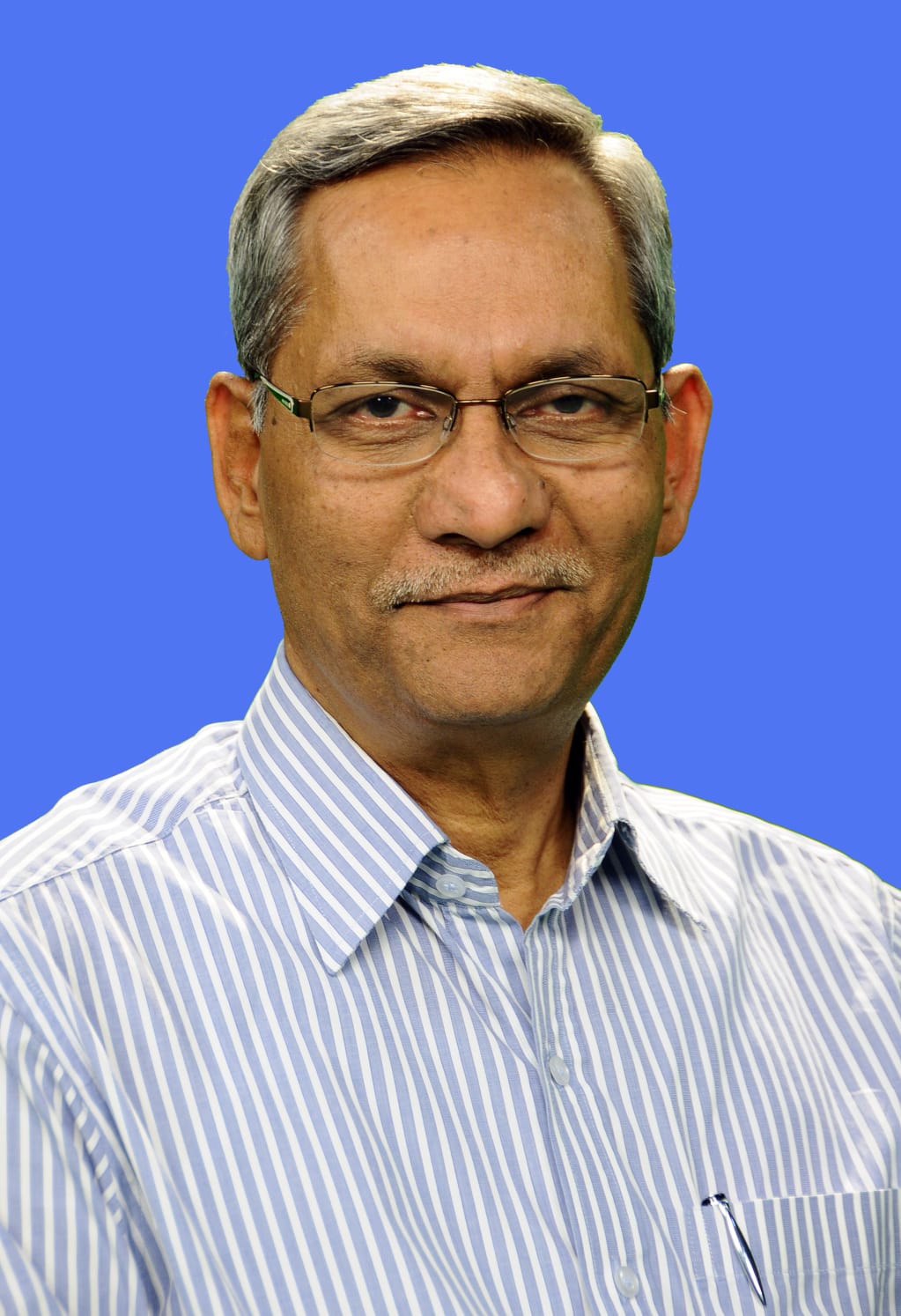
Dr. K. Ramachandra Murthy is a versatile journalist with a distinguished career. Dr. Murthy began his extensive career with Andhra Prabha of The Indian Express group in Bengaluru. He was editor of Udayam, Vaartha and Andhra Jyothy. Dr. Murthy founded and edited HMTV news channel and The Hans India, an English newspaper. He was also editorial director of the Telugu newspaper, Saakshi. He was awarded Ph. D for his research work in rural reporting. Dr. Murthy’s five decades in journalism showcases his influential roles across both print and electronic media. He wrote the political biography of NTR published by Harper Collins.