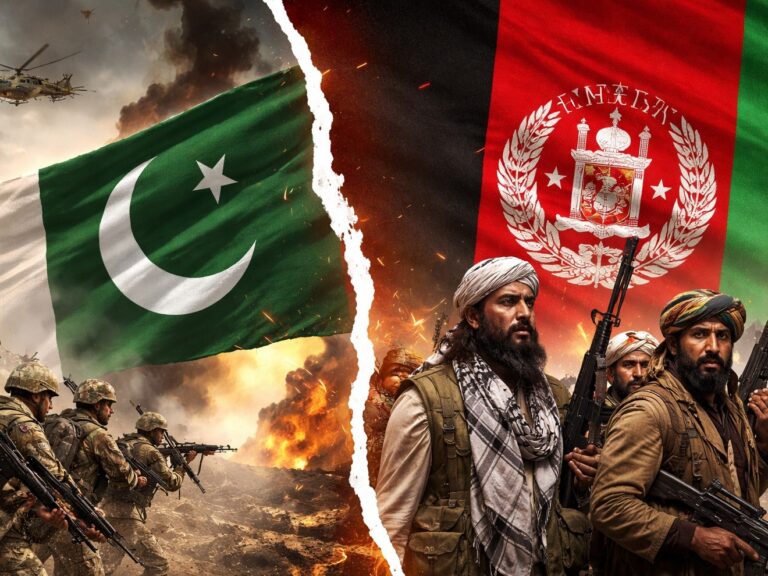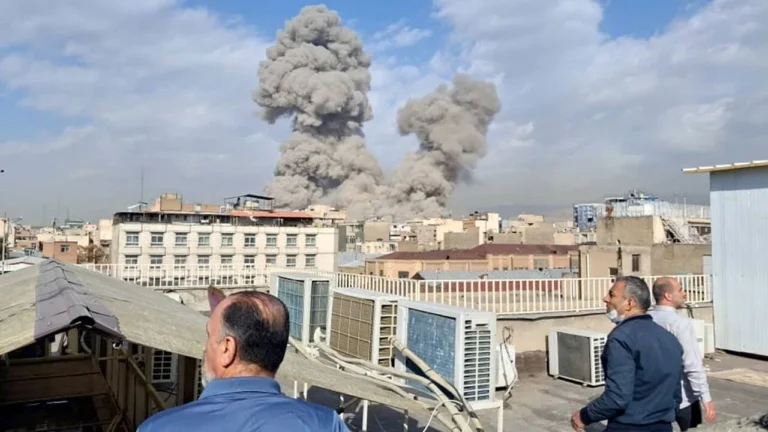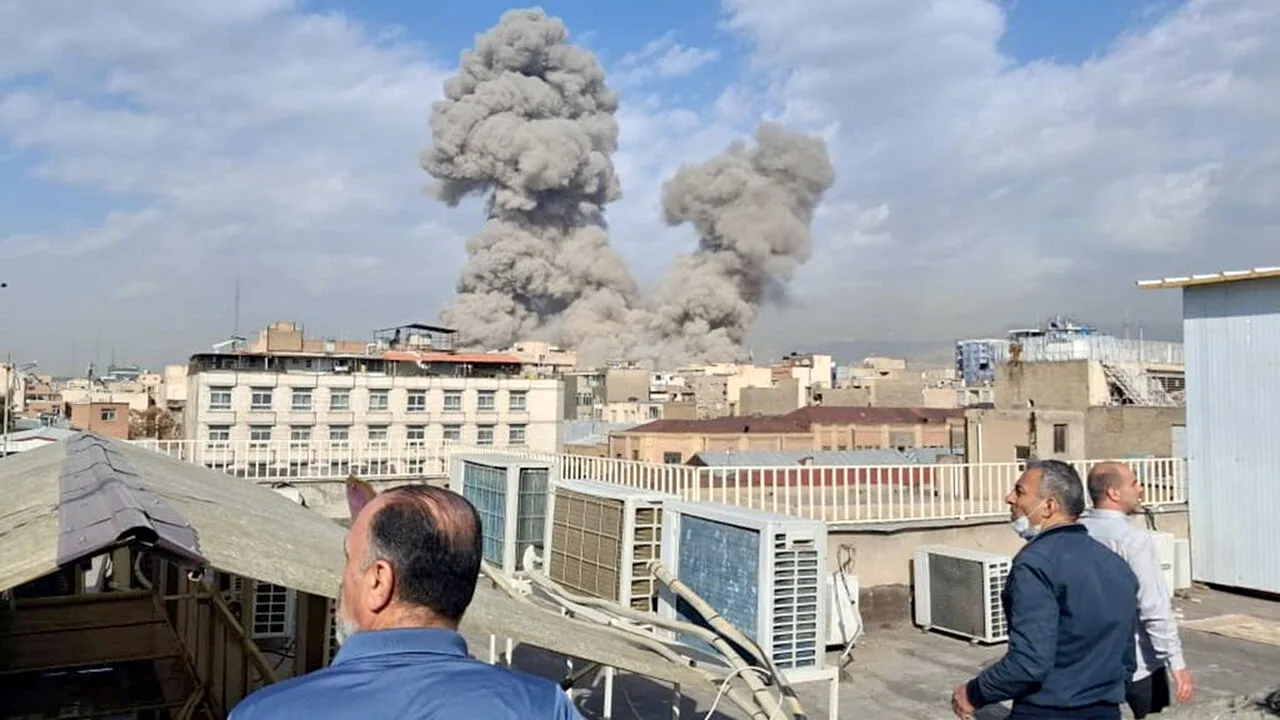
The geopolitical landscape of the Middle East has reached a historic and volatile turning point. As of March 1, 2026, the conflict between Iran and the U.S.-Israeli alliance has escalated into a full-scale regional war following the confirmed death of Iran’s Supreme Leader, Ayatollah Ali Khamenei.
The Current State of the War
On February 28, 2026, the United States and Israel launched “Operation Epic Fury,” a massive series of preemptive strikes across 24 of Iran’s 31 provinces. The primary objective was the “decapitation” of the Iranian leadership and the neutralization of its ballistic missile infrastructure.
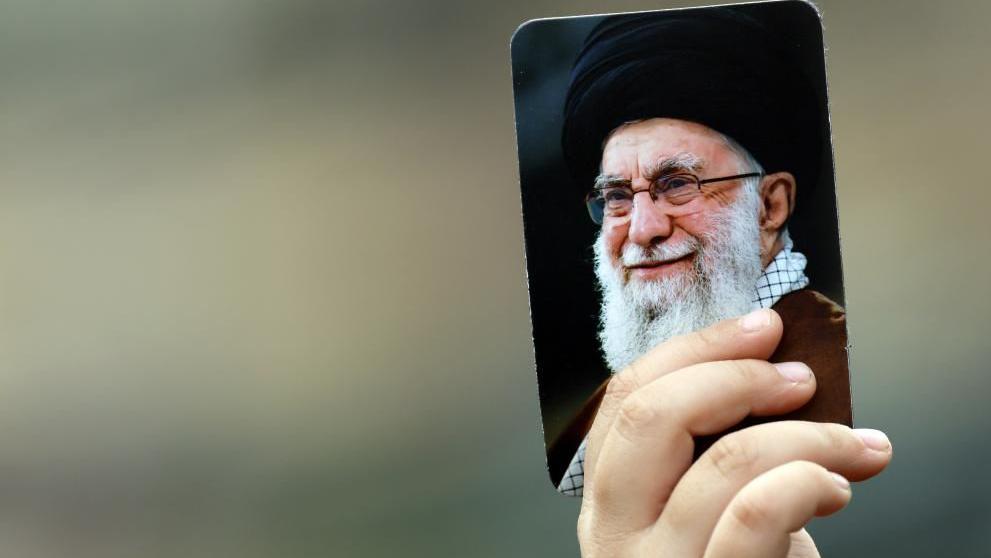
Earlier today, March 1, Iranian state media officially confirmed that Ayatollah Ali Khamenei was killed when a strike destroyed his central leadership compound in Tehran. In immediate retaliation, the Islamic Revolutionary Guard Corps (IRGC) launched “Operation Truthful Promise 4,” firing hundreds of missiles at Israel and U.S. bases in Bahrain, Qatar, and the UAE. Major transit hubs, including Dubai and Doha airports, have suspended operations, and the Strait of Hormuz is effectively a combat zone.
Is Regime Change a Reality?
While the “head of the snake” has been removed, “regime change” in the sense of a transition to democracy remains an open and dangerous question. Iran has already activated its constitutional contingency. An interim council led by Ayatollah Alireza Arafi has been named to manage the transition. The Power Vacuum: The IRGC remains a potent and ideologically loyal force. Analysts warn that rather than a democratic shift, Iran may see a “military junta” take control to maintain order during the 40-day mourning period.
The Mind of the Iranian People
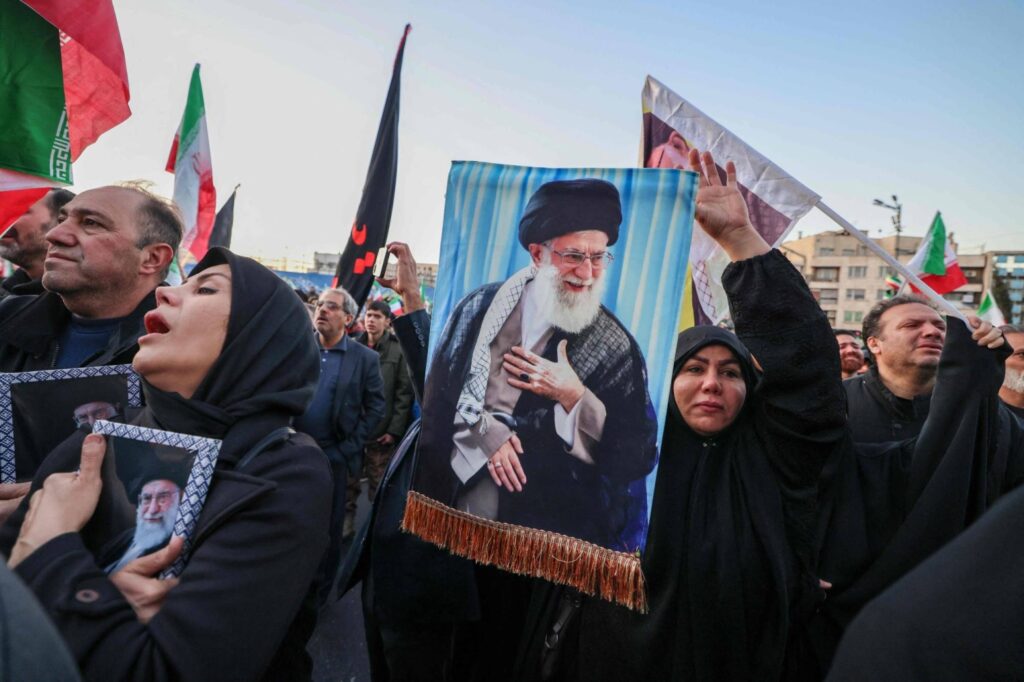
The Iranian public is deeply divided, and their reaction to Khamenei’s death is complex. Celebration vs. Mourning: Reports from the ground and social media indicate that many Iranians, exhausted by years of economic collapse and repression (including the 2025-26 protests), have reacted with “cautious joy” or disbelief. Even those who loathe the regime fear that a sudden collapse without a clear alternative could lead to a civil war or a “Syria-style” disintegration.
Nationalism: The presence of foreign boots or bombs often triggers a nationalist rally-around-the-flag effect, which the remaining leadership is currently exploiting to frame the war as a defense of the Persian motherland.
How Long Will It Last?
Predicting an end date is impossible, but the “high-intensity” phase is expected to be brief. President Donald Trump has stated that strikes will continue “throughout the week.” However, a total cessation of hostilities is unlikely in the “days” range. While the U.S. and Israel seek to dismantle the nuclear and missile programs quickly, the subsequent “Shadow War” or internal Iranian power struggle could last for months or years. The world is currently watching to see if the Assembly of Experts can appoint a successor before the IRGC or the Iranian street takes matters into their own hands.

Editor, Prime Post
Ravindra Seshu Amaravadi, is a senior journalist with 38 years of experience in Telugu, English news papers and electronic media. He worked in Udayam as a sub-editor and reporter. Later, he was associated with Andhra Pradesh Times, Gemini news, Deccan Chronicle, HMTV and The Hans India. Earlier, he was involved in the research work of All India Kisan Sabha on suicides of cotton farmers. In Deccan Chronicle, he exposed the problems of subabul and chilli farmers and malpractices that took place in various government departments.