Dharmendra, Bollywood’s ‘He-Man’, dies in Mumbai at 89. It’s sad to all the Dharmendra fans across the world about the sad demise of He-man Dharmendra, not able to digest the news. Trying for films also was dramatic in Dharmendra’s case. He was so fascinated by seeing the wall poster of Dilip Kumar and was dreaming to act in films. Once, his mother happened to see an advertisement that wanted candidates to take part in all India talent contest to act in films. His mother gave this advertisement and asked him to try his luck. He attended that contest. To his surprise he was considered in the contest and got an opportunity to act in the film. That is how he got an entry into Bollywood filmdom.
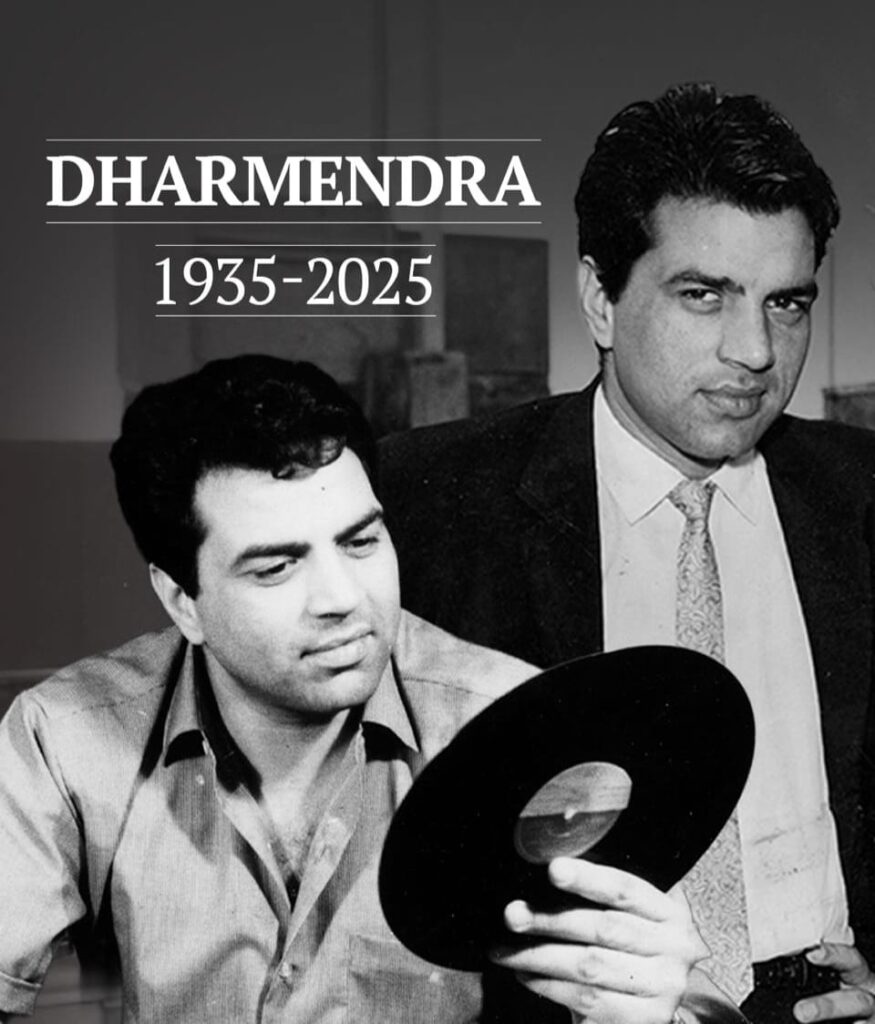
That’s it. He never looked back. And he was compared to Hollywood actor Jhon Saxon. Why I narrated all this? He never stopped trying for an opportunity to act in films. And he has become top star and acted in around 350 films. But only the dissatifaction he never got filmfare award as the best actor in spite of acting in 350 films. He used to say “Mai teen mein nahi ya terah mein nahi. Mai logon ke dil mein hu. Aur kya chaahiye? ” I am not in third position or thirteen position. But I am in the heart of the people. I have a permanent place in the hearts of the people. Anybody can take Dharmendra’s life as an example to be successful in life. He was given Padma Bhushan award for the contribution he did for the film Industry. The Prime Minister Modi air dashed to Mumbai to have a glimpse.
Dharmendra Born on December 8, 1935, in Sahnewal, Punjab, Dharmendra Deol rose from a small-town childhood to become one of Bollywood’s most enduring stars. He arrived in Bombay after winning a film-magazine talent hunt and made his debut in 1960 with Dil Bhi Tera Hum Bhi Tere.
Early turns in Shola Aur Shabnam, Anpadh and Bimal Roy’s Bandini set the stage; Phool Aur Patthar (1966) forged the “HeMan” image that would carry him through action, romance and family dramas for decades. His range was striking: the moral weight of Satyakam (1969), the effortless humour of Chupke Chupke (1975), and the pop-culture permanence of Veeru in Sholay (1975). Through the 1970s and 1980s he remained bankable, later reinventing himself with performances in Life in a … Metro, Johnny Gaddaar and Rocky Aur Rani Kii Prem Kahaani. In 1983, he founded Vijayta Films, launching Sunny Deol with Betaab and backing Ghayal, which won the National Award for Best Popular Film Providing Wholesome Entertainment.
He received the Padma Bhushan in 2012.
Off-screen, his partnerships shaped a film dynasty. Married to Prakash Kaur, with whom he has Sunny, Bobby, Ajeeta and Vijayta, he later married Hema Malini; their daughters are Esha and Ahana. He also served as Member of Parliament from Bikaner (2004–09). Recently, he was hospitalised for breathlessness following an earlier eye-graft surgery. He is survived by Prakash Kaur and Hema Malini, and by his children Sunny, Bobby, Ajeeta, Vijayta, Esha and Ahana. For 6 decades and 300-plus films, Dharmendra bridged eras remaining a marquee name as the industry moved from the studio age to multiplexes and streaming. He often said that formal awards were few, but the audience’s love more than made up for it.
Principal Correspondent, Prime Post
Vidya Sagar Chaturvedula is a passionate film enthusiast whose four-decade career spans multiple sectors, including media and industry. Fluent in Telugu, Hindi, and English, he has a deep appreciation for cinema, particularly films in those three languages. His passion goes beyond simple viewing; he enjoys analyzing directional skill, the emotional depth of actors’ performances, and the profound meaning embedded in dialogue. Mr. Sagar is known for his ability to clearly articulate and narrate his insightful film analyses after watching a movie.
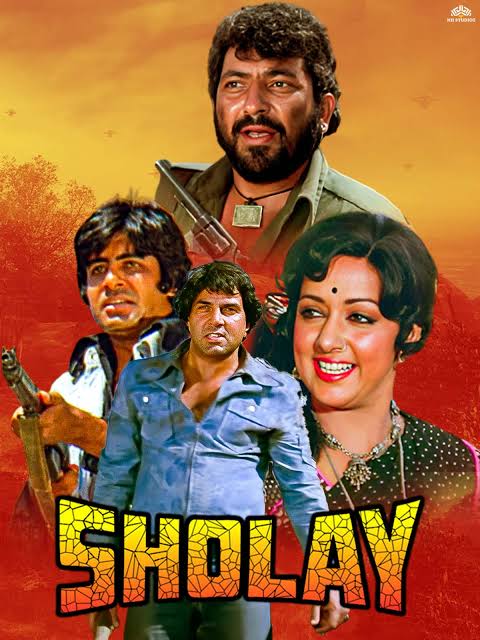
Dharmendra was one of the finest and handsome actor of his times. Chupke chupke is my favorite movie of Dharamji. May his soul rest in peace.
Nice review.
Dharmendra is very handsome actor. The veteran star, celebrated across generations for his charm, humility and iconic screen presence. End of an era in Indian cinema
Om Shanti.